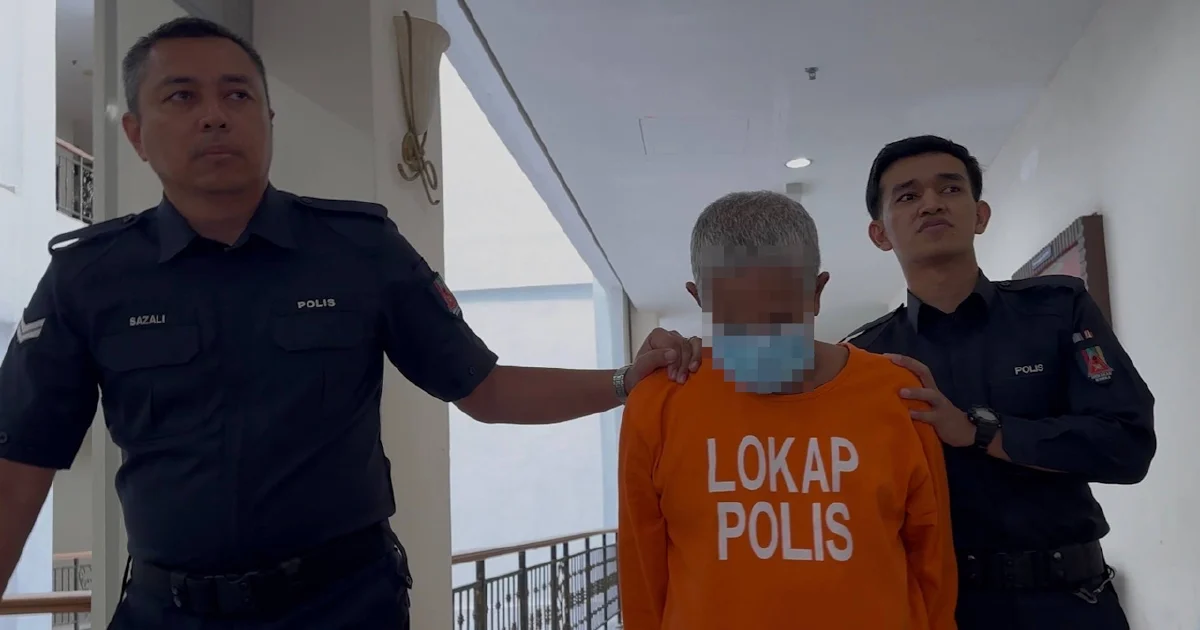
A Muar Sessions Court has sentenced a 67-year-old retired man to 33 years imprisonment and 14 strokes of the cane after he pleaded guilty to five counts of rape and sexual assault involving his two granddaughters. The severity of the sentence reflects the gravity of the offences and the profound betrayal of familial trust that characterised the case, with the court finding the pensioner culpable on all charges brought before it.
The case highlights a persistent social problem in Malaysia where vulnerable family members, particularly young girls, face exploitation by those in positions of authority and trust within their households. Crimes of this nature are often difficult to prosecute because victims may be reluctant to come forward against relatives, or may be prevented from doing so by family dynamics, fear, or cultural pressures to keep such matters private. The fact that this victim came forward and the matter proceeded to conviction demonstrates the importance of creating safe reporting mechanisms and encouraging disclosure of such abuse.
The imposition of both a substantial custodial sentence and corporal punishment underscores the courts' commitment to deterring intrafamilial sexual violence. In Malaysia's criminal justice system, sentences of this length for rape and sexual assault convictions are not unusual when multiple counts are involved, though the judicial response varies depending on factors such as the victim's age, the degree of force used, and the nature of the relationship between perpetrator and victim. The addition of caning serves as a further deterrent, though debate continues within legal and human rights circles about the appropriateness and effectiveness of corporal punishment.
The age of the offender may raise questions about rehabilitation and prison capacity in Malaysia's correctional system. At 67, the pensioner is likely to spend the remainder of his life in custody, raising practical considerations about geriatric care in prisons. However, courts have consistently held that advanced age is not a mitigating factor when serious sexual offences against children or vulnerable persons are committed, as the harm caused to victims far outweighs considerations of the offender's life stage.
Gender-based violence and child sexual abuse remain entrenched problems across Southeast Asia, with Malaysia recording numerous cases annually. Government statistics and civil society organisations have documented that family members perpetrate a significant proportion of sexual abuse cases, challenging the perception that stranger danger is the primary threat to children's safety. Community awareness and education initiatives have become increasingly important in helping families recognise warning signs and creating environments where children feel empowered to disclose abuse.
The two granddaughters who were victimised have become survivors of serious crime, and their recovery process extends far beyond the criminal trial. Psychological trauma, disrupted family relationships, and long-term impacts on their ability to form healthy relationships are common consequences of intrafamilial sexual abuse. Rehabilitation services, counselling support, and victim advocacy programmes are essential components of the post-conviction landscape, though access to such services remains inconsistent across different parts of Malaysia.
This conviction will likely contribute to victim confidence in the criminal justice system within Johor and beyond. High-profile cases where guilty pleas are secured and meaningful sentences handed down can encourage other survivors to come forward and report abuse, though systematic barriers to reporting—including fear of disbelief, victim-blaming attitudes, and concerns about the police investigation process—continue to deter many from seeking justice. Police and prosecution authorities across the country have in recent years increased their focus on sexual crime investigations, implementing specialist training and dedicated units to handle such cases more effectively.
The broader implications of this case extend to policy discussions around child protection frameworks in Malaysia. While legislation exists to criminalise sexual abuse and assault, questions remain about whether preventive measures, school-based education, and early intervention programmes are sufficiently resourced and implemented. The Malaysian government and child protection organisations continue to advocate for strengthened safeguarding protocols in schools, healthcare settings, and community programmes.
The sentencing also reflects evolving judicial attitudes toward crimes against children and vulnerable persons. Courts have increasingly moved away from treating such offences lightly or accepting cultural justifications, instead applying sentences that reflect contemporary understanding of the severe harm caused by sexual abuse. This represents a significant shift from decades past when such crimes were sometimes overlooked or dealt with informally within families.
Moving forward, this case serves as a reminder that sexual abuse knows no demographic boundaries and can occur within any family structure or socioeconomic group. Public and professional awareness campaigns must continue to emphasise that abuse within families requires the same serious legal response as abuse by strangers, and that creating cultures of accountability and transparency within households is essential to protecting the region's children.

