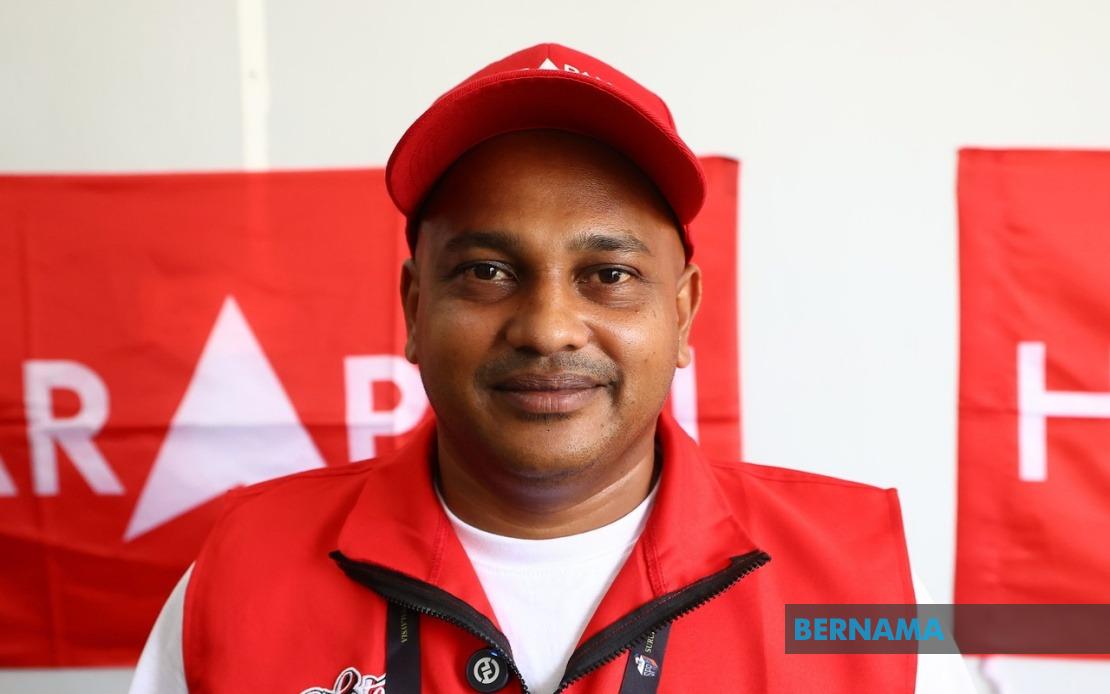
Guna Balakrishnan, running as the Pakatan Harapan candidate for the Layang-Layang state seat in the imminent Johor elections, has announced a focused agenda aimed at delivering tangible results during the crucial first quarter of his tenure. Speaking at the party's campaign headquarters in Kluang, he outlined four distinct priorities drawn directly from constituent feedback gathered during ground-level campaigning, signalling an approach rooted in local grievances rather than broader ideological positioning.
The candidate's platform reflects the distinctive challenges facing Layang-Layang's 25,181 registered voters, many residing in semi-rural areas where infrastructure gaps remain pronounced. Street lighting has emerged as a pressing concern, with Guna targeting the resolution of between 50 and 60 per cent of outstanding complaints by the end of his first 100 days. This measured target suggests realistic acknowledgement of the logistical complexity involved in upgrading external infrastructure, rather than promising wholesale transformation that might prove difficult to deliver.
Telecommunications and broadband expansion represents the second pillar of his immediate action plan, with Guna expressing confidence that existing infrastructure frameworks can be leveraged to accelerate coverage improvements. He notes that essential groundwork including feeders is already operational, requiring only additional transmitter installations in coverage blackspots. This assessment indicates that the bottleneck is technical rather than financial, a distinction that carries implications for implementation timelines and budget allocation during the state government's tenure.
Wildlife encroachment has become an increasingly acute problem across several areas within the constituency, placing pressure on residential zones and creating safety concerns for families. Guna has committed to prioritising this issue immediately upon taking office, recognising its capacity to affect quality of life and property security. Similarly, the theft of oil palm fruit—a persistent agricultural crime affecting the livelihoods of small-scale farmers and plantation workers—will receive urgent attention based on repeated complaints received during his door-to-door engagements.
The candidate's comprehensive manifesto extends beyond these immediate interventions to encompass longer-term structural improvements. Flood mitigation features prominently, addressing a seasonal challenge that has historically disrupted transportation, damaged property, and threatened agricultural yields across Johor's rural districts. Road infrastructure upgrades form another component, essential for connectivity between isolated villages and commercial centres, while digital access expansion aligns with national efforts to bridge the urban-rural divide in technological adoption.
Human capital development receives substantial emphasis in Guna's platform, reflecting recognition that constituencies require investment in people rather than infrastructure alone. Women's entrepreneurship programmes acknowledge the role of female-led businesses in generating household income and building economic resilience, particularly in areas where traditional manufacturing and agricultural sectors have contracted. This initiative directly addresses employment barriers facing women in semi-rural communities.
Vocational and technical education expansion targets youth employment prospects, addressing a demographic cohort frequently left behind by traditional academic pathways. By expanding Technical and Vocational Education and Training (TVET) opportunities, the manifesto seeks to provide younger constituents with marketable skills aligned with regional labour demand, reducing youth unemployment and out-migration. This focus carries particular resonance in Johor, where manufacturing and service sectors continuously require skilled workers.
Senior citizen welfare features as a third pillar of Guna's development agenda, with proposed establishment of activity centres (PAWE) designed to enhance social connectivity and quality of life for older residents. Such facilities address documented health and psychological benefits of community engagement among elderly populations, while simultaneously reflecting demographic shifts across Malaysia's regional constituencies where ageing populations require targeted policy responses.
The electoral contest in Layang-Layang presents a three-way race that complicates the political dynamics at play. Incumbent Abd Mutalip Abd Rahim, representing Perikatan Nasional, faces competition from both Guna and Chua Jian Boon of Barisan Nasional, fragmenting the opposition vote and potentially benefiting whichever candidate consolidates support most effectively. The presence of three distinct political coalitions reflects broader national realignments that have destabilised traditional two-party dynamics in Malaysian state politics.
The Johor state election scheduled for July 11 represents a significant electoral test for all three major political coalitions, with regional implications extending beyond the state itself. Johor's size, economic importance, and position as a swing state in Malaysia's political geography make its outcome influential for national political calculations. Early voting on July 7 will provide initial indicators of voter momentum and enthusiasm levels across different constituencies.
Guna's emphasis on practical, deliverable priorities within a defined timeframe represents a deliberate campaign strategy designed to distinguish him from opponents through commitments grounded in constituent feedback rather than aspirational rhetoric. Whether such an approach resonates with voters facing persistent infrastructure deficits and economic pressures will become clearer as the election approaches, offering insights into voter preferences regarding competency-focused governance versus broader ideological appeals in state-level contests.

