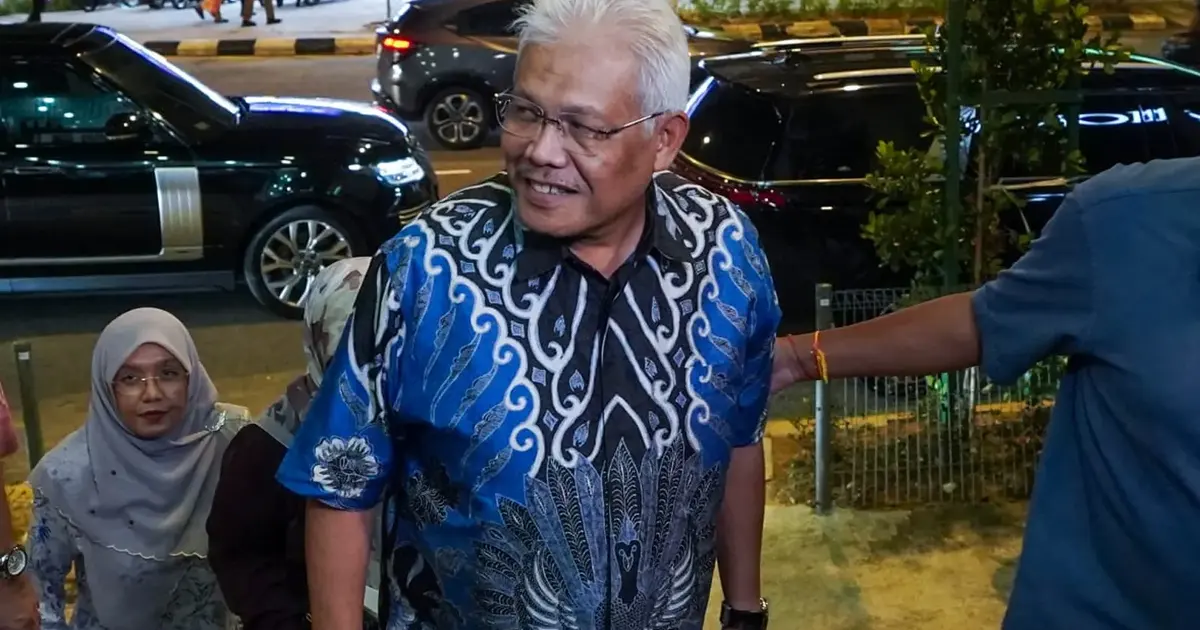
Opposition Members of Parliament, including the notable Hamzah, converged at PAS headquarters for what observers view as a pivotal meeting amid significant flux within Perikatan Nasional's parliamentary alliance. The gathering underscores the volatile nature of Malaysia's current political landscape, where coalition arrangements continue to shift rapidly in response to strategic calculations by major parties seeking advantage in Parliament.
The visit coincides with a period of intensive political manoeuvring within PN, triggered fundamentally by PAS's decision last week to formally sever its political partnership with Bersatu. This rupture represents one of the most consequential developments in the opposition coalition's trajectory since its formation, signalling the emergence of divergent strategic visions among key players who previously presented a unified front against the ruling Pakatan Harapan administration.
PAS, as Malaysia's largest Islamic party by parliamentary representation, holds considerable leverage in opposition politics. Its repositioning carries implications far beyond internal coalition dynamics, potentially reshaping the broader balance of power in Parliament and influencing the viability of government confidence votes on critical legislative matters. The party's move to distance itself from Bersatu reflects deeper tensions over ideological direction, resource allocation, and competing ambitions within the opposition ranks.
The presence of multiple opposition MPs at the headquarters suggests consultations extending beyond routine coalition management. Such gatherings typically serve multiple functions within Malaysian politics: they facilitate negotiation of seat-sharing arrangements for future elections, discussions regarding parliamentary committee positions, and alignment on legislative priorities. The particular timing, immediately following the PAS-Bersatu rupture, indicates parties are recalibrating their alliances in response to the dramatically altered situation.
Hamzah's attendance carries particular significance given his stature within opposition circles and his influence over Bersatu's parliamentary bloc. His presence at PAS headquarters signals either exploratory discussions about potential closer coordination between the two parties or conversations regarding the broader reconfiguration of anti-government forces in Parliament. For Malaysian political observers, movements by such established figures often presage more substantial developments in coalition architecture.
The heightened political activity reflects deeper structural challenges within PN itself. When the coalition formed, it united parties under the banner of opposing Pakatan Harapan's governance. However, fundamental disagreements over religious policy, economic direction, and party leadership have consistently threatened cohesion. The PAS-Bersatu split represents the coalescence of these underlying tensions into open rupture, forcing remaining partners to reassess their positioning and alliance preferences.
Bersatu, which recently underwent its own leadership transitions, faces particular vulnerability following PAS's departure. The party's parliamentary strength relies heavily on maintaining coalition arrangements that enhance its influence relative to its actual seat count. Losing PAS as an ally reduces its negotiating leverage and raises questions about Bersatu's long-term viability as a major political force in opposition politics.
From a Southeast Asian perspective, Malaysia's opposition coalition dynamics carry implications beyond domestic politics. The region's largest Muslim-majority democracy navigates questions of religious influence in governance, federal-state power distribution, and competing visions of national identity. How opposition parties resolve their internal conflicts and reconfigure their alliances will influence not only Malaysian politics but also regional discussions about Islamic political movements and democratic representation.
The immediate political consequence of these developments centres on Parliament's stability. Opposition parties collectively hold sufficient seats that their internal cohesion significantly affects government legislative capacity. Fragmentation among opposition forces might paradoxically strengthen the government's hand in passing legislation, whereas opposition consolidation could create serious obstacles to legislative agendas. Hamzah's diplomatic efforts, reflected in his presence at PAS HQ, likely aim at preventing complete opposition fragmentation that would benefit the ruling coalition.
Further complicating the picture is the question of whether the PAS-Bersatu split represents a temporary adjustment or a permanent reconfiguration of opposition alignment. Historical Malaysian politics demonstrates that coalition changes often prove reversible when external circumstances shift or strategic interests realign. However, the depth of ideological differences between PAS and Bersatu suggests this particular rupture may carry greater durability than previous coalition reorganisations.
The coming weeks will reveal whether meetings like the one at PAS headquarters generate new coalition configurations or merely represent attempts to manage an essentially fractured opposition. How opposition MPs resolve questions about future collaboration, particularly regarding the crucial 2025 state elections and eventual general election preparations, will substantially shape Malaysian politics for the remainder of this parliamentary term and beyond.