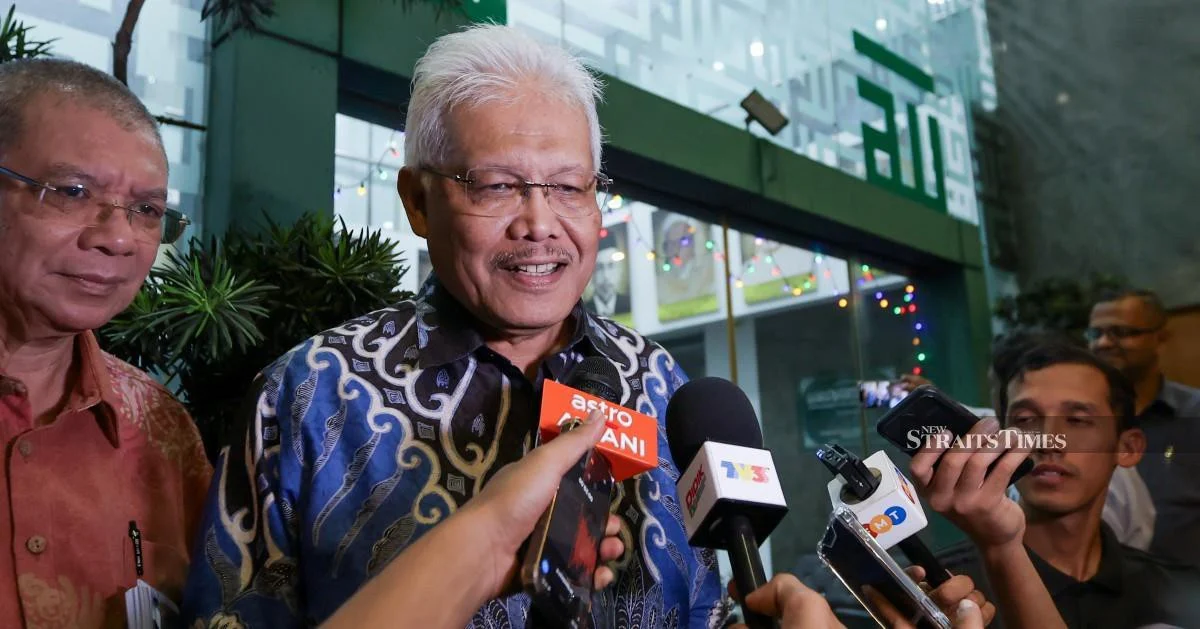
Datuk Seri Hamzah Zainudin is set to reclaim the opposition leader's seat in the Dewan Rakyat when parliament reconvenes on Monday, according to the updated seating arrangement released by the legislature. The move marks a notable restructuring of Malaysia's opposition benches, with Bersatu president Tan Sri Muhyiddin Yassin being reassigned to a different position further along the row.
The updated parliamentary seating chart represents more than a mere administrative rearrangement of physical locations within the chamber. The designation of opposition leader carries significant symbolic weight in Malaysia's Westminster-style parliament, conferring both ceremonial status and procedural advantages to the individual occupying the role. That position has become increasingly contested as various opposition groupings have jostled for prominence and influence in recent months.
Hamzah's return to the opposition leader's seat follows a period of considerable flux within Malaysia's opposition ranks. The past year has witnessed multiple realignments among parties occupying the opposition benches, with questions about which coalition or individual commands the support necessary to claim the role. The updated seating arrangement provides clarity on the internal parliamentary consensus, at least as reflected in how the legislature's administrative authorities have positioned the key opposition figures.
The displacement of Muhyiddin signals a recalibration within the broader opposition coalition structure. Bersatu, the party the Tan Sri leads, has been a significant player in Malaysian politics, particularly following the 2020 Sheraton Move that dramatically altered the government composition. However, the repositioning suggests that other opposition figures now command greater parliamentary standing or support among opposition MPs.
Hamzah himself brings substantial political credentials to the opposition leader role. As a senior politician with experience in government, his return to the opposition benches' most prominent position lends weight to whichever coalition or alignment he represents. His previous tenure in various ministerial portfolios and political positions has established him as a figure of consequence in Malaysian politics.
The timing of this shift, coming as parliament prepares to resume its sitting cycle, suggests that this arrangement reflects careful negotiations and consensus-building among opposition stakeholders. Seating arrangements in the Dewan Rakyat, while appearing procedural, typically reflect the actual power dynamics and negotiated settlements among political players. The formal publication of the chart signals that whatever discussions preceded this decision have reached a definitive conclusion.
For Malaysian politics more broadly, the repositioning underscores the continued fluidity of the opposition landscape. Unlike the government side, where coalitional arrangements are typically more stable and institutionalized, opposition groupings often remain more volatile and subject to shifting alliances. The movement of Hamzah to the lead position and Muhyiddin further down the row reflects these ongoing dynamics.
The opposition leader's role carries specific parliamentary functions beyond prestige. The individual in this position typically receives procedural courtesies, priority in certain parliamentary questions and debates, and serves as the formal representative of opposition interests in dealings with the Speaker and other parliamentary officials. These practical considerations make the designation consequential for how opposition voices will be heard during legislative proceedings.
For international observers and regional analysts watching Malaysian politics, this shift demonstrates how formal parliamentary procedures can reflect substantive changes in political alignments. The seating chart becomes a public document revealing internal opposition deliberations that may not have been widely publicized beforehand.
The change also carries implications for how the opposition will coordinate its activities throughout the parliamentary session. The designated leader typically plays a coordinating role in opposition strategy, opposition research efforts, and the presentation of a unified front on key issues before the chamber. Hamzah's elevation to this position will shape how opposition MPs coordinate their activities and messaging.
As Malaysia's parliament resumes sitting on Monday, stakeholders across the political spectrum will be watching to observe how the repositioned opposition benches conduct themselves and whether this seating arrangement translates into more effective opposition coordination and scrutiny of government initiatives. The practical implications will become clearer as parliamentary business gets underway.

