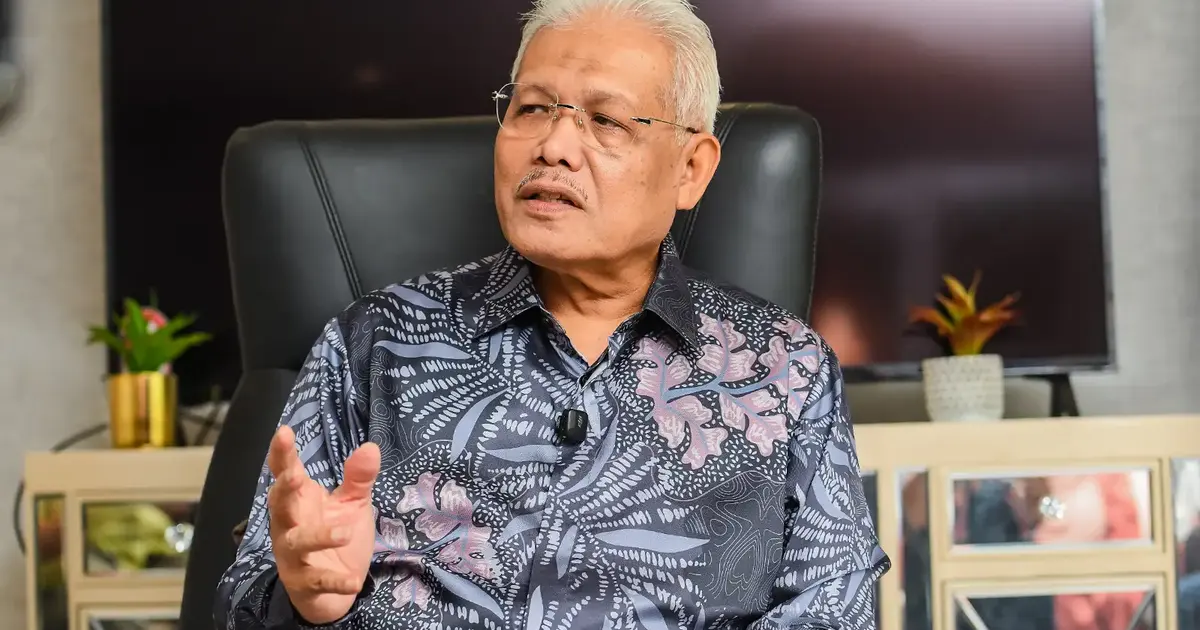
Hamzah Zainudin's return to prominence within the Perikatan Nasional coalition represents a calculated political manoeuvre aimed at reshaping public perception of the PAS-led opposition alliance as a more centrist force capable of broader appeal. Political analysts tracking Malaysia's evolving opposition landscape interpret this development as a deliberate strategy to distance the coalition from perceptions of religious conservatism that have historically constrained its electoral reach, particularly among urban and more secular-oriented voters who have traditionally backed other political groupings.
The rehabilitation of Hamzah's political profile reflects deeper calculations within Perikatan Nasional's leadership about the coalition's viability as a governing alternative. By positioning him as a potential frontrunner for the GE16 campaign, PN appears to be signalling an intent to moderate its public messaging and policy positioning on socially sensitive issues that have previously dominated political discourse. This represents a departure from the coalition's earlier positioning during the GE15 campaign, when Islamic governance and Shariah law featured prominently in party communications.
Analysts emphasise that Hamzah's perceived moderation stems partly from his background as a seasoned political operator with cross-factional experience within Malaysian politics. His tenure in various senior roles has cultivated an image of pragmatism and administrative capability that distinguishes him from more ideologically rigid figures within the coalition. This perception, whether rooted entirely in objective assessment or partly constructed through political marketing, serves PN's strategic objective of appearing capable and measured rather than ideologically rigid.
The timing of Hamzah's rehabilitation also reflects PAS's sophisticated understanding of electoral mathematics and voter demography. Recent polling patterns and electoral results have demonstrated that Malaysia's voting public exhibits considerable wariness toward coalitions perceived as dominated by religious parties or movements. By elevating Hamzah as a public face and potential leader, PAS-led PN seeks to recalibrate this perception and present a more inclusive political front capable of governing effectively for all Malaysians regardless of religious or ethnic background.
For Southeast Asian observers and regional analysts tracking Malaysian political developments, this repositioning holds broader implications for opposition coalition stability and competitiveness. The ability of Perikatan Nasional to successfully execute this moderate branding exercise will substantially influence GE16 dynamics and potentially reshape the regional political landscape if the coalition gains traction with previously inaccessible voter blocs. The outcome will also signal whether Malaysian voters are willing to grant second chances to political figures attempting reinvention.
The strategy also carries risks that PN leadership appears willing to undertake. Elevating Hamzah prominently may generate friction within the coalition, particularly among elements of PAS and other partner parties who view the emphasis on moderation as diluting the coalition's distinctive Islamic governance platform. Managing these internal tensions while simultaneously projecting moderate credentials to external audiences represents a complex balancing act that will test coalition cohesion.
Conservative and religious-minded voters who form the coalition's traditional base may perceive the moderate repositioning as a departure from core principles. If Hamzah becomes the public face of PN's campaign, this constituency may question whether the coalition remains committed to advancing Islamic interests or whether it has fundamentally shifted toward secular centrism. This potential alienation of existing supporters creates a vulnerability that competing coalitions may seek to exploit.
Meanwhile, the credibility of Hamzah's moderate positioning remains open to scrutiny from critical observers and opposition researchers who will likely highlight past statements, policy positions, or affiliations that complicate any narrative of reformed moderation. Political campaigns are increasingly characterised by opposition research and digital media scrutiny that can rapidly undermine carefully constructed political personas.
From a governance perspective, should PN successfully execute this repositioning and gain electoral traction, the outcome could meaningfully alter Malaysia's political trajectory. A coalition that has successfully rebranded itself as moderate while maintaining organisational coherence and party discipline would possess formidable advantages in subsequent national elections and policy implementation. Conversely, if the moderate messaging appears as transparent political theatre disconnected from substantive policy positions, the electorate's verdict could be equally decisive.
The broader significance of this development extends to Malaysia's democratic evolution and coalition politics. It demonstrates opposition leaders' capacity for strategic adaptation and their willingness to undertake significant repositioning to enhance electoral viability. Whether such repositioning reflects genuine philosophical evolution or tactical opportunism will ultimately depend on substantive policy commitments and implementation patterns should PN achieve governance.
Regional observers and international analysts will monitor this development closely, as it reflects broader democratic dynamics across Southeast Asia where opposition coalitions routinely attempt repositioning to enhance their appeal. The success or failure of PN's moderate branding effort could offer instructive lessons for other emerging coalition formations across the region navigating similar challenges around identity, inclusivity, and electoral viability.