The HAWANA 2026 Summit, which opens in Butterworth tomorrow with Prime Minister Datuk Seri Anwar Ibrahim as the officiating guest, introduces a specially curated photographic exhibition that captures both the institutional history of Malaysia's National Journalists' Day and the human stories of media professionals whose lives have been transformed through the accompanying welfare initiative. The dual-focus gallery represents a deliberate effort by the Malaysian National News Agency (Bernama) to shift public attention from behind-the-scenes news operations toward a broader recognition of the journalism profession's needs and contributions to Malaysian society.
The exhibition divides its presentation into two interconnected narratives. The first segment traces the evolution of HAWANA since its establishment in 2018, documenting the celebration's expansion across different Malaysian cities and the diverse programming that has defined each iteration. The second segment showcases the faces and circumstances of individuals who have received financial and social support through Tabung Kasih@HAWANA, the welfare fund that represents the initiative's core charitable mission. This bifurcated approach allows visitors to understand both the institutional machinery behind the celebration and the tangible human outcomes it generates, creating a comprehensive portrait of an industry supporting its own.
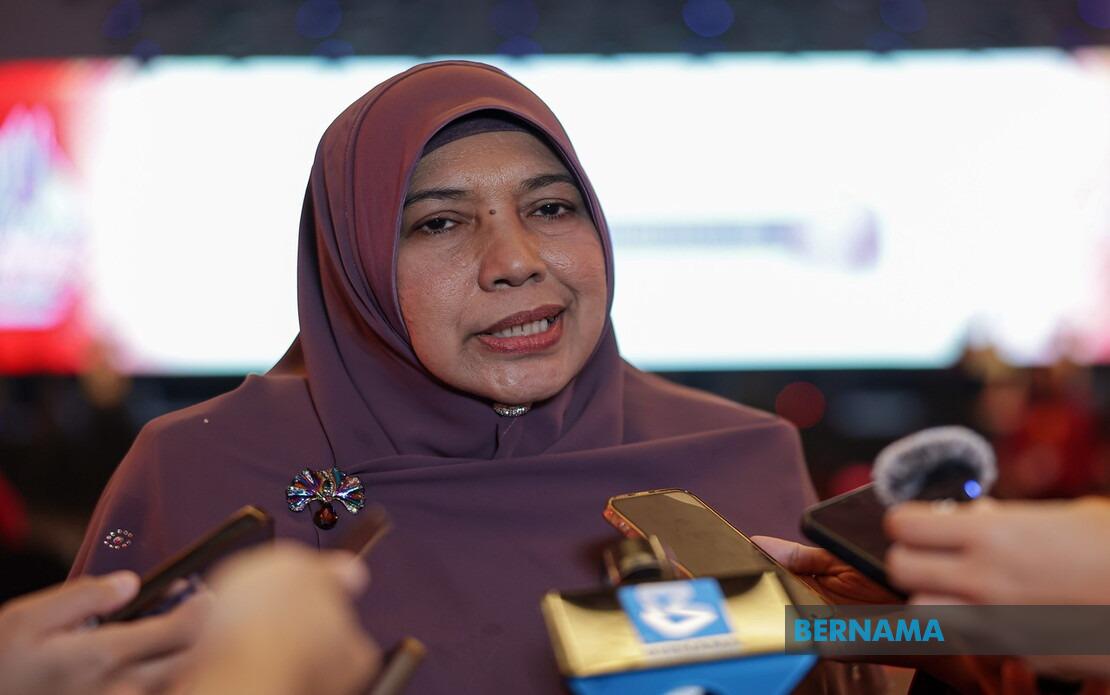
According to Datin Paduka Nur-ul Afida Kamaludin, Bernama's chief executive officer and chair of the HAWANA 2026 Working Committee, the exhibition serves a strategic communications purpose for the news agency. She emphasized that Bernama, while functioning as the secretariat managing Tabung Kasih@HAWANA and the celebration's primary organizer, typically operates invisibly to the broader public. The gallery becomes a platform for transparency, allowing the agency to demonstrate its stewardship of a programme that has become increasingly important to Malaysia's media landscape. In articulating the exhibition's significance, Nur-ul Afida underscored that the display aims to build appreciation for journalism as a profession while simultaneously illustrating how the initiative has addressed the genuine hardships faced by media practitioners dealing with health challenges, financial difficulties, and other life pressures.
The curatorial process reflects careful attention to accessibility and context. Mohamad Bakri Darus, editor of the Bernama Photo Desk, explained that the photographic selection underwent rigorous editorial review by the Bernama team to ensure each image carried meaningful weight. The inclusion of bilingual captions in both Malay and English responds to the diverse composition of Malaysia's media industry and ensures that the exhibition's messages resonate across linguistic and cultural communities. This design choice acknowledges that journalism in Malaysia operates within a multilingual environment where accessibility and clarity serve professional interests.
The exhibition's narrative arc spans the geographical and temporal scope of HAWANA celebrations held since 2018. Previous iterations took place in Kuala Lumpur during the inaugural 2018 event and again in 2025, establishing the capital as a recurring venue. The celebration's expansion into other regions included Melaka in 2022, Ipoh in Perak during 2023, and Kuching in Sarawak during 2024, reflecting an intentional strategy to decentralize the event and engage media communities beyond the Klang Valley. This geographic distribution has become integral to HAWANA's identity as a nationwide initiative rather than a Kuala Lumpur-centric affair, fostering professional connections across Malaysia's fragmented media ecosystem.
The programmatic content captured within the exhibition demonstrates the multifaceted nature of modern journalism industry engagement. Strategic Partner Meetings represent the professional networking dimension, bringing together stakeholders from media organizations, government, and civil society. The Media Forum component facilitates substantive discussion about industry challenges and best practices. The HAWANA-DBP Pantun Festival introduces a cultural dimension, celebrating Malaysia's literary heritage through collaboration with the national language council. Meanwhile, the HAWANA Carnival and Exhibition component broadens accessibility by creating an open, celebratory atmosphere that welcomes practitioners at all career stages. The inclusion of HAWANA Sports reflects recognition that professional camaraderie extends beyond formal settings into recreational and social spheres.
For Malaysian media practitioners, this exhibition carries particular significance at a moment when the journalism profession faces unprecedented pressures. Employment instability, digital disruption of traditional business models, and the psychological toll of covering polarizing national issues have created genuine hardship within the profession. Tabung Kasih@HAWANA provides not merely financial relief but also symbolic acknowledgment that the broader media community recognizes individual struggle and mutual obligation. The visual documentation of past beneficiaries and their circumstances helps normalize conversations around welfare and support, reducing stigma that might otherwise prevent colleagues from seeking assistance.
The timing of this exhibition within the 2026 Summit also invites reflection on the evolution of industry self-organization in Southeast Asia. Malaysia's approach, centered on a government-aligned news agency providing both professional coordination and welfare support, differs from models in other regional democracies. Yet the exhibition's emphasis on community solidarity and mutual aid suggests shared underlying concerns about sustainability and cohesion within journalism professions across the region. As media industries throughout Southeast Asia grapple with similar challenges of digitalization and economic viability, examining how Malaysia's institutions respond offers instructive lessons.
Beyond its immediate function as a celebratory exhibition, the gallery serves as institutional memory. For journalists new to the profession, the photographic documentation provides context about how the industry has organized itself and cared for vulnerable members. For veteran practitioners, the exhibition offers an opportunity to reflect on professional identity and witness how individual stories—often rendered invisible in daily news operations—receive public acknowledgment and validation. This memory function becomes increasingly important as Malaysia's media landscape experiences generational transition and younger journalists seek to understand professional traditions and support networks.
The exhibition also implicitly addresses questions about journalism's role in Malaysian society at a distinctive historical moment. By showcasing eight years of HAWANA celebrations, the gallery documents a period encompassing two general elections, significant shifts in government composition, and ongoing debates about press freedom and media independence. The continuity of HAWANA across these transitions suggests that professional organization and mutual support transcend partisan political divisions, positioning the journalism community as a persistent institutional presence regardless of changing administrations. This stability carries particular weight in a regional context where press conditions fluctuate considerably.
For international observers monitoring Southeast Asian media development, the HAWANA exhibition exemplifies how state-aligned institutions can advance professional welfare and community solidarity alongside journalistic independence. While Bernama's government connection might invite skepticism about editorial autonomy, the welfare initiatives it supports address genuine material needs within the profession. The exhibition's transparency about aid recipients and programme outcomes suggests an institutional culture comfortable with public accountability regarding resource allocation—a quality that enhances rather than diminishes professional respect.

