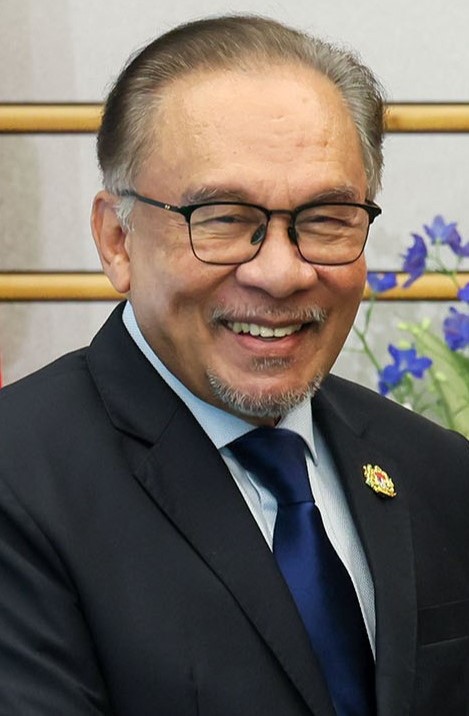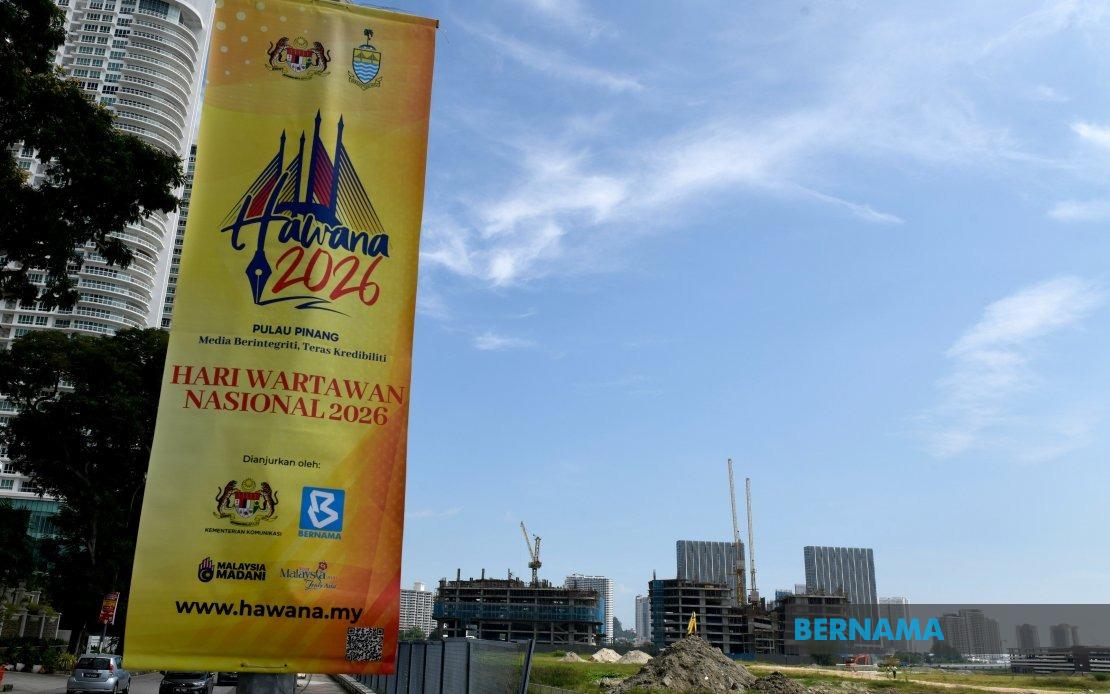
Penang's selection as the inaugural host for HAWANA 2026 represents a significant milestone for the state's positioning within Malaysia's tourism and creative sectors landscape. The main national celebration will unfold from June 19 to 21, with the official ceremony scheduled for June 20 at the PICCA Convention Centre @ Butterworth Arena, officiated by Prime Minister Datuk Seri Anwar Ibrahim. The event brings together approximately 1,000 media practitioners from across Malaysia and beyond, positioned around the theme "Media Integrity Strengthens Credibility" and organised by the Ministry of Communications in collaboration with Bernama, the national news agency.
According to Penang's State Tourism and Creative Economy Committee chairman Wong Hon Wai, hosting HAWANA 2026 validates the state's proven capacity to deliver international-calibre events while reinforcing its established reputation as a premier regional tourist destination. The recognition reflects broader confidence in Penang's infrastructure, hospitality ecosystem, and organisational capabilities at a time when Southeast Asian nations increasingly compete for high-profile media and cultural gatherings. This inaugural hosting opportunity allows the state to leverage its existing strengths in tourism and the burgeoning creative sectors, creating a platform to demonstrate economic resilience beyond traditional attractions.
The economic calculus driving state support for HAWANA 2026 extends well beyond ceremonial significance. Wong emphasised that the convergence of thousands of visiting journalists, creative professionals, and associated personnel will generate tangible demand across multiple service sectors. Hotels throughout Seberang Perai, the primary venue area, have reported robust booking activity, with Wong noting that accommodation capacity remains adequate for the anticipated influx. Beyond lodging, the multiplier effects touch hospitality broadly—food and beverage establishments, transport operators, retail outlets, and cultural attractions all stand to benefit from sustained visitor traffic during the event and its surrounding period.
The media's catalytic role in shaping tourism narratives carries particular weight in Penang's strategic calculus. Wong underscored that journalists function as essential partners for destination marketing, translating on-the-ground experiences into influential editorial coverage that reaches domestic and international audiences. The presence of ASEAN-region media at HAWANA 2026 represents an opportunity for Penang to secure high-value, credible exposure within regional markets where tourism demand remains malleable and influenced by editorial narratives. This editorial amplification differs fundamentally from paid advertising, carrying greater persuasive weight among potential visitors evaluating regional alternatives.
Beyond conventional tourism, the event positions itself as a catalyst for Penang's developing creative economy sectors. Wong articulated how media attention elevates local creative talent, artistic endeavours, and innovative ventures onto broader platforms, generating economic momentum within design, digital media, performance arts, and related fields. By facilitating media engagement with Penang's creative community, HAWANA 2026 creates opportunities for stories highlighting emerging artists, innovative enterprises, and cultural initiatives that might otherwise remain marginalised in regional coverage. This visibility carries economic implications as creative industries increasingly drive employment and revenue in urbanising Southeast Asian economies.
The state government's characterisation of media as strategic partners reflects a sophisticated understanding of contemporary economic development, where information flows, narrative positioning, and cultural perception shape investment decisions and tourism patterns. Wong's remarks positioning media as essential to both tourism and creative economy development indicate Penang's recognition that economic growth in the 21st century depends upon effective communication and positive perception management. This orientation situates HAWANA 2026 not merely as a journalists' professional gathering but as an investment in long-term brand equity and sectoral development.
The accompanying RIUH Pi HAWANA Carnival represents a complementary activation strategy, extending HAWANA 2026's reach beyond the journalist-focused main event. Running concurrently from June 19 to 21 at the same convention centre, the carnival anticipates approximately 30,000 public visitors, creating a broader community engagement component. The free-admission carnival features over 24 local creative brands showcasing Penang's entrepreneurial output across design, crafts, digital media, and related sectors. This curatorial approach demonstrates intentionality in introducing diverse audience segments to the creative economy ecosystem, potentially cultivating future participants, consumers, and investors in these sectors.
The carnival's programming reveals deliberate efforts to demystify creative participation and lower barriers to engagement. Twenty food vendors provide hospitality within the space, while 16 live stage performances from established local artists including Exists, Bunkface, Masdo, Sakura Band, Budak Nakal Hujung Simpang, and Chelsea Ng create entertainment infrastructure. Hands-on workshops embedded within the carnival programme invite public participation in creative activities rather than passive consumption, aligning with contemporary approaches that treat audiences as potential co-creators rather than spectators. This model recognises that sustainable creative economies require broad participation and skill-building, not merely elite production.
The concentration of these initiatives—the journalist gathering, the carnival, the official ceremony—within a condensed three-day window creates temporal and spatial intensity designed to generate momentum and media saturation. The clustering effect amplifies individual components' impact while creating narrative opportunities for journalists attending the main event to observe and document emerging creative energy firsthand. This integration of professional and public dimensions suggests strategic planning that treats HAWANA 2026 as an opportunity for multivalent economic and cultural activation rather than a discrete professional conference.
Penang's positioning as the first-time HAWANA 2026 host arrives at a moment when Malaysian states increasingly compete for high-profile events and regional prominence. The selection validates investments Penang has made in tourism infrastructure, cultural programming, and creative sector development over recent years. It also establishes a precedent that could inform future event hosting considerations within the state, potentially encouraging further international gathering bids that deliver similar economic and visibility benefits. For visitor-generating sectors in Penang, HAWANA 2026 represents both immediate economic opportunity and strategic positioning as a state capable of delivering large-scale, professionally-executed international experiences.
The broader significance extends to Malaysian tourism policy and regional positioning. As countries across Southeast Asia intensify efforts to capture international attention and visitor expenditure, events like HAWANA 2026 provide mechanisms for destination differentiation and narrative establishment. Penang's hosting offers an opportunity to reinforce its distinct identity within Malaysia's tourism portfolio—not merely as a heritage destination centred on Georgetown's UNESCO status, but as a dynamic, creative, and culturally vibrant location capable of attracting and engaging diverse international audiences. This rebranding dimension carries long-term strategic importance for the state's economic trajectory and regional competitiveness.
Looking forward, HAWANA 2026's success in Penang may establish templates for future event integration within the state's tourism and creative economy strategies. The model of combining professional convenings with public carnival elements, utilising media presence for destination marketing, and creating platforms for creative sector visibility offers replicable elements. If HAWANA 2026 delivers on anticipated economic benefits and positive media coverage, it could encourage state authorities to pursue similar event opportunities that provide comparable leverage for tourism growth and creative sector development. For Malaysia's broader ambitions in positioning itself as a regional creative and cultural hub, Penang's HAWANA 2026 hosting represents a concrete investment in visibility, infrastructure, and narrative establishment that extends beyond the three-day event itself.