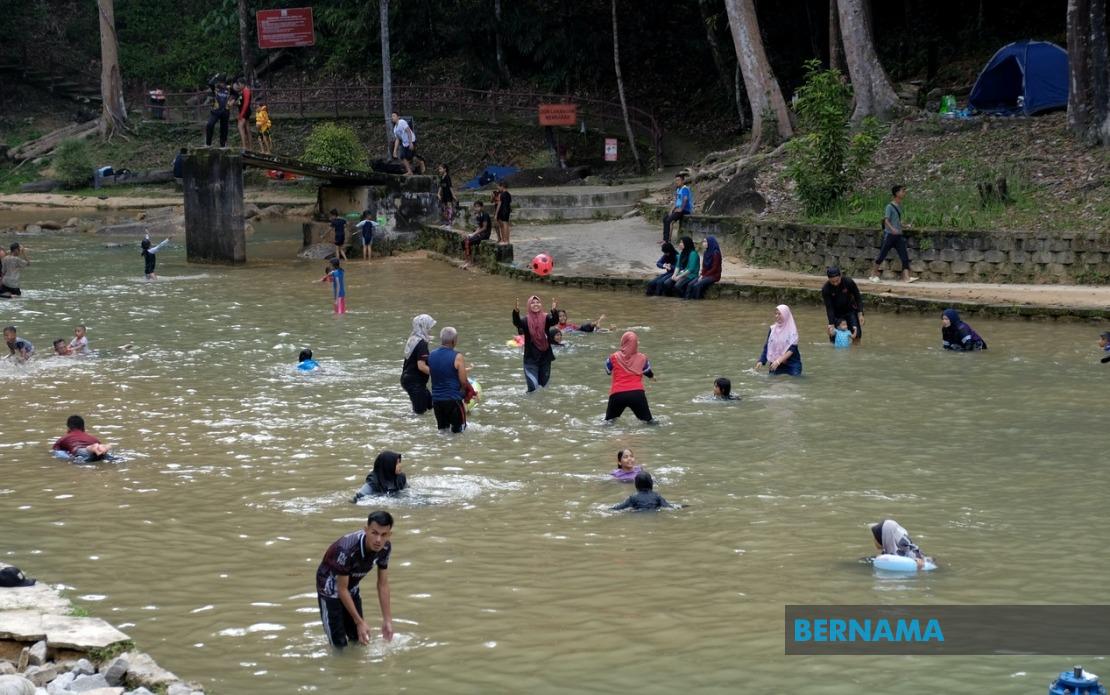
The Pahang State Health Department has launched a formal investigation into claims that multiple visitors to a recreational area near Bentong contracted acute gastroenteritis after bathing in a local river. The health authorities are treating the allegations seriously, though they have stressed that no confirmed cases have yet been epidemiologically linked to the site, and existing disease surveillance systems have not flagged any unusual uptick in gastroenteritis notifications across the region.
Initial risk assessments conducted by the department's personnel have produced preliminary findings that show no clustering of food poisoning or acute gastroenteritis incidents reported through established monitoring channels. Nevertheless, the precautionary principle is being applied, with water quality testing initiated at multiple points along Sungai Benus in Janda Baik. Microbiological samples were collected on June 14, and laboratory results are still pending—a critical step that will determine whether environmental contamination is the source of visitor illnesses.
The investigation represents a textbook public health response to waterborne disease concerns in recreational settings. Authorities are pursuing multiple investigative tracks simultaneously, including active case identification among those who used the facility, detailed epidemiological interviews to pinpoint exposure sources and contributing risk factors, and comprehensive environmental assessments of the areas frequented by visitors. This multi-pronged approach helps differentiate between a genuine outbreak and coincidental illness clustering.
Parallel to these efforts, the health department has augmented surveillance activities at government and private healthcare facilities in the surrounding regions. By enhancing monitoring at these points of care, authorities can rapidly detect any pattern of acute gastroenteritis cases with epidemiological connections to the Bentong site. This heightened vigilance is particularly important in Malaysia's tropical climate, where waterborne pathogens—including bacteria like Vibrio and Campylobacter, parasitic organisms, and various viruses—flourish in warm freshwater environments.
Coordination with other agencies represents another critical element of the response. The health department is collaborating with relevant bodies to conduct comprehensive water quality assessments and identify potential pollution sources. Such partnerships are essential because recreational water contamination typically stems from multiple origins: inadequate sanitation infrastructure at and near the site, upstream sewage discharge, livestock access to waterways, or agricultural runoff. Pinpointing the actual source is necessary for implementing targeted prevention measures and protecting future visitors.
The public health messaging from authorities has emphasised the importance of immediate medical attention for anyone experiencing symptoms—diarrhoea, vomiting, abdominal pain, or fever—following river bathing or other recreational water activities. This guidance is particularly relevant for Malaysian communities, where natural water sources remain popular recreational destinations year-round. Early detection and medical care not only improve individual outcomes but also generate valuable data that helps epidemiologists understand the outbreak's scope and trajectory.
Facility operators and management at recreational sites now face explicit reminders about their public health obligations. Sanitation facilities, potable water supplies, and sewage systems must meet legal standards and receive regular maintenance. The prevalence of waterborne disease outbreaks linked to inadequate environmental health infrastructure underscores this necessity. Many recreational sites, particularly in rural and semi-rural areas, operate with minimal oversight, creating conditions conducive to disease transmission if water sources become contaminated.
The distinction between suspected cases and confirmed cases is crucial to understanding this situation. While visitors reported experiencing acute gastroenteritis symptoms, health authorities have not yet established a definitive causal link between the recreational site and these illnesses. Several scenarios remain possible: the symptoms may reflect coincidental illness unrelated to the water exposure, the causative agent may not have contaminated the water itself but rather related food service or sanitation facilities, or there may indeed be genuine waterborne pathogen contamination that laboratory analysis will reveal.
For Malaysian residents and tourists, this incident carries broader implications about water safety practices in recreational settings. Unlike heavily regulated public swimming pools, natural water bodies are inherently unpredictable environments where contamination can originate from numerous sources. Visitors should consider carrying hand sanitiser, avoiding submersion of the face or swallowing water, and ensuring any cuts or abrasions are covered before entering natural water bodies. Post-recreational hygiene practices—thorough hand washing and changing out of wet clothes—reduce infection risk.
The Ministry of Health's public guidance against speculation reflects a reasonable concern about preventing unnecessary alarm. Unverified claims about waterborne disease outbreaks can damage local economies dependent on tourism and recreational visits, yet insufficient transparency can undermine public trust. The balance lies in maintaining regular, factual communication based on emerging laboratory and epidemiological evidence as the investigation progresses.
This investigation also highlights the importance of strengthened environmental health surveillance across Malaysia's recreational infrastructure. Many rivers and natural water attractions lack baseline microbiological data or regular quality monitoring. Establishing such systems would enable early detection of contamination and help guide public health advisories. The Bentong case may catalyse improved monitoring practices if it reveals deficiencies in current oversight mechanisms.