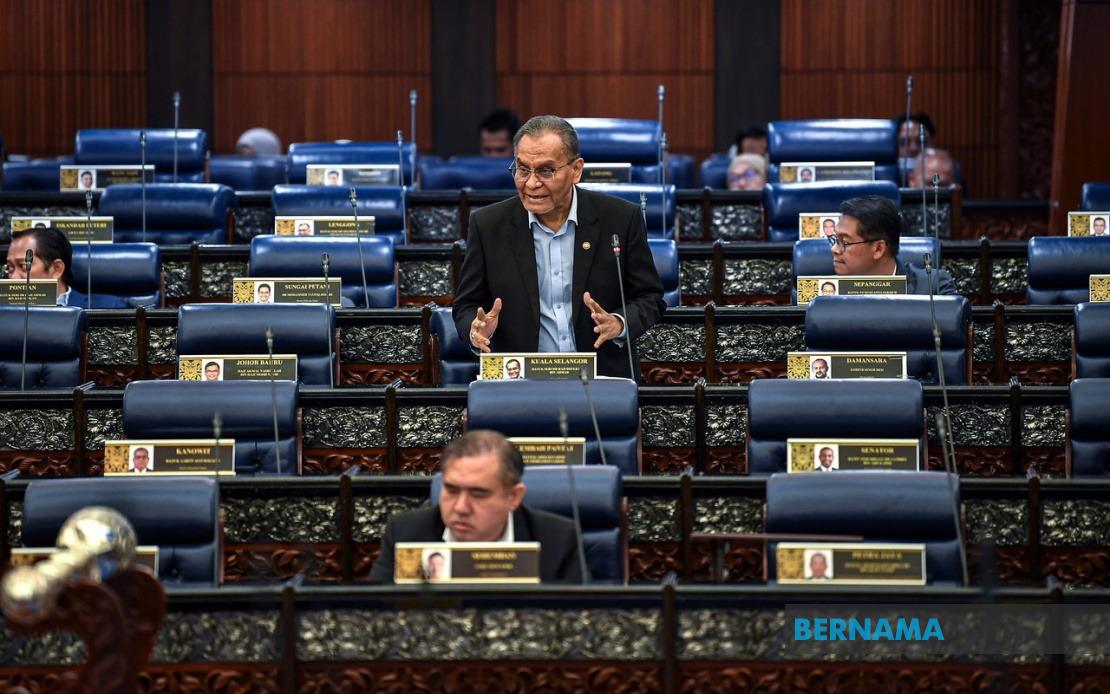
The Malaysian Health Ministry is moving to shore up the flagging private clinic sector through a combination of outsourcing arrangements and regulatory interventions aimed at improving the financial viability of independent medical practitioners. Health Minister Datuk Seri Dr Dzulkefly Ahmad outlined the government's approach during parliamentary questioning, underscoring the critical role that private general practitioners play within the nation's healthcare architecture and flagging the need for coordinated public-private support to prevent further deterioration of the primary care landscape.
The backdrop to this intervention reveals a sector under considerable strain. Since 2013, approximately 2,034 private medical clinics have shuttered their doors, a trend that accelerated during the pandemic when many practitioners faced simultaneous drops in patient volumes and increased operational pressures. The exodus has left gaps in geographical coverage and accessibility, particularly in areas where public health clinics cannot adequately serve the population alone. This attrition represents not merely a commercial setback but a potential degradation of Malaysia's overall healthcare resilience, as private practitioners have traditionally shouldered a significant portion of primary care demand.
Dzulkefly's acknowledgement of direct experience with clinic closures, particularly during COVID-19, signals recognition within the ministry of how healthcare crises can disproportionately affect vulnerable business segments. The government's proposed remedy extends beyond rhetorical support, with tangible measures including regulatory adjustments to consultation fee structures. The minimum consultation fee for private medical practitioners has been raised to RM80 from RM10, a substantial increase designed to enhance revenue streams without deterring patients from seeking necessary care. This recalibration reflects an attempt to balance affordability with sustainability, addressing the fundamental economic challenge facing many practitioners: that outdated fee ceilings have eroded margins to unsustainable levels.
The broader policy framework places private clinics within a complementary ecosystem rather than viewing them as peripheral to public healthcare. Malaysia's primary healthcare system comprises 2,916 Ministry of Health clinics alongside 10,208 private GP clinics, positioning the private sector as the numerical backbone of frontline medical services. This dual-layer structure means that widespread private clinic closures effectively transfer pressure onto an already-stretched public system, exacerbating wait times and resource constraints in government facilities. By investing in private sector viability, the ministry is in effect reducing pressure on public hospitals and allowing better allocation of governmental healthcare resources toward specialist services and complex cases.
Outsourcing arrangements represent a novel mechanism for supporting private practitioners without direct government subsidies. By facilitating partnerships between private clinics and larger healthcare organisations or government bodies, these structures create stable revenue streams while allowing practitioners to maintain operational independence. Such models have proven effective in other healthcare systems and could provide private clinics with predictable patient flows, reduced administrative burdens through back-office support, and potential bulk purchasing advantages for medications and supplies. The approach also enables the Ministry of Health to access private-sector capacity and efficiency improvements without bearing the full cost of expanded public infrastructure.
The integration of non-communicable disease management into the primary healthcare strategy represents a significant strategic pivot for Malaysia's health system. As conditions such as hypertension, diabetes, and obesity become increasingly prevalent and account for mounting healthcare expenditure, distributing their management across both public and private clinics becomes imperative. The 13th Malaysia Plan explicitly incorporates collaborative NCD disease management, signalling that this is not an ad-hoc initiative but a central pillar of medium-term healthcare planning. Private clinics, often more accessible and convenient than government facilities, are well-positioned to serve patients with chronic conditions requiring regular monitoring and medication adjustment, potentially alleviating hospital congestion from stable disease management cases.
The reference to healthcare models in the United Kingdom and Taiwan underscores the parliamentary recognition that integrated primary care systems can deliver superior outcomes at lower cost. Both systems leverage extensive networks of private and independent practitioners to manage the bulk of primary care and chronic disease management, reserving hospital resources for acute and specialised care. Malaysia's legislative inquiry suggests appetite for adopting similar principles, with the Ministry now formalising such collaboration. This alignment with international best practice strengthens the political case for reform and provides benchmarks against which progress can be measured.
For Malaysian healthcare stakeholders, the implications are substantial. Private practitioners facing economic uncertainty now have clearer signals of government commitment to sector viability, potentially encouraging continued investment in clinic infrastructure and staff training. Patients benefit from assured access to competitive private care options without fear that their preferred clinic might close. Public hospital administrators can anticipate more stable referral patterns and reduced emergency department crowding as primary care stabilises. Insurance companies may need to recalibrate their engagement with private practitioners as fee structures adjust, while corporate healthcare providers may find opportunities in outsourcing arrangements that require scaled operational capacity.
However, the success of these measures depends upon implementation rigour and ongoing monitoring. Fee adjustments must be calibrated carefully to avoid triggering cost-of-care concerns among lower-income segments whilst genuinely supporting practitioner viability. Outsourcing arrangements require clear governance frameworks to protect both the public interest and private practitioners' autonomy. The government must also address underlying structural challenges, such as declining interest among medical graduates in entering private practice, which cannot be resolved through fee adjustments alone. Coordinated messaging to medical schools and young practitioners about the evolving landscape and support mechanisms available will be essential.
Regional context further underscores Malaysia's policy evolution. Neighbouring countries including Singapore and Thailand have implemented sophisticated public-private partnerships in primary care, generating efficiency gains and improved accessibility metrics. Malaysia's move toward formalised collaboration positions it competitively within Southeast Asia's healthcare landscape and may enhance the attractiveness of its healthcare sector to regional patients and medical professionals. The approach also aligns with World Health Organization guidance emphasising strengthened primary health care as foundational to achieving universal health coverage targets.
The government's commitment to private clinic sustainability ultimately reflects a maturing recognition that healthcare delivery in modern Malaysia requires plural provision models, with public and private sectors operating as complementary rather than competing entities. By providing regulatory clarity, financial incentives, and structural support mechanisms, the Ministry of Health is attempting to reverse the decline trajectory affecting private primary care. Whether these interventions prove sufficient will depend on broader economic conditions, practitioner response, and the government's ability to translate parliamentary commitments into operational reality across diverse geographic and demographic contexts.

