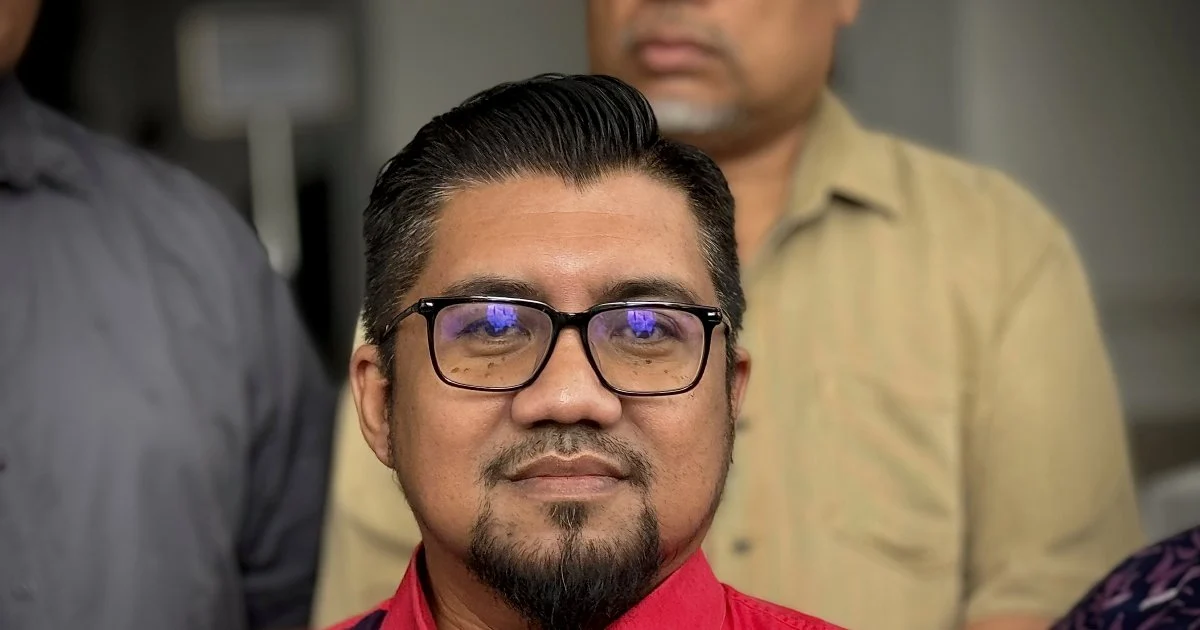
A significant legal reversal has unfolded in the Malaysian courts, with the High Court in Kuala Lumpur overturning a previous acquittal and directing political activist Badrul Hisham Shaharin to enter his defence against defamation charges connected to His Majesty Sultan Ibrahim, the King of Malaysia. The case centres on remarks the activist allegedly made regarding a claimed audience between the monarch and various political figures that supposedly occurred approximately two years prior to the legal proceedings.
The original acquittal decision has now been set aside by the High Court, marking a substantial shift in the trajectory of this defamation matter. This judicial development carries particular weight given Malaysia's sensitivities surrounding statements about the royal institution, an entity accorded special constitutional protections under Article 10 of the Malaysian Constitution. The transition from acquittal to being required to mount a formal defence represents a consequential turn for Badrul Hisham, whose full name includes the honorific "Che'gu," a title reflecting his educational background and community standing.
The case itself demonstrates the complex intersection between freedom of expression and the statutory protections afforded to Malaysia's monarchy. Badrul Hisham's remarks, which allegedly pertained to communications or meetings between the King and political leadership, appear to have been assessed by the court as crossing the threshold into defamatory territory. The reversing judgment suggests that the initial acquittal lacked sufficient legal foundation to withstand appellate scrutiny, whether through the prosecution's grounds of appeal or through the court's own assessment of the evidence and applicable law.
For Malaysian observers, this case illuminates the ongoing tension between public discourse and constitutional constraints. The activist's profile as a political commentator means his statements carry both wider public resonance and heightened legal exposure. Political activists in Malaysia operate within a framework where criticism of government policies and political actors enjoys broader latitude than commentary touching upon the institution of the monarchy itself. This distinction has generated considerable debate within civil society circles and among legal scholars regarding the appropriate boundaries of permissible speech.
The decision to order Badrul Hisham to enter his defence now shifts the burden toward demonstrating the veracity or legitimacy of his statements. Under Malaysian defamation law, a defendant mounting a defence bears responsibility for substantiating claims or establishing qualified privilege or fair comment as applicable. The activist must now prepare to present evidence and legal arguments addressing the factual basis of his remarks concerning the alleged audience with political leaders. This procedural requirement fundamentally alters the evidentiary landscape of the proceedings.
The temporal dimension of the case warrants attention as well. The statements in question reference events from approximately two years before the current legal proceedings, suggesting a passage of time during which the matter has proceeded through the courts. This delay itself raises questions about the documentation and memory surrounding the alleged audience, potentially affecting the quality of evidence either side can produce. Moreover, the intervening two-year period may have altered the political landscape and the relevance of the underlying audience itself.
For the broader Southeast Asian region, this case reflects patterns observed in other mature democracies regarding the legal protection of monarchical institutions. While Malaysia's protections are notably stringent compared to some neighbouring jurisdictions, they align with constitutional frameworks in other Commonwealth nations. However, civil liberties advocates have questioned whether the scope of defamation protections for the monarchy appropriately balances institutional dignity against public interest in political accountability and informed discourse.
The reversal also carries implications for other activists and commentators assessing their own potential legal exposure. When appellate courts overturn acquittals in defamation matters touching the monarchy, the precedent may have a chilling effect on public expression among those concerned with legal liability. This phenomenon has been documented in various democracies where heightened protections exist for certain institutions, potentially constraining the range of permissible political commentary available to citizens and observers.
Badrul Hisham's case now enters a new phase requiring substantive defence preparation. His legal team must navigate the evidentiary requirements surrounding the alleged audience, potentially calling witnesses and producing documentation to support the accuracy or privileged nature of the statements. The defence may also explore whether the remarks constituted fair comment on matters of public interest, a doctrine that provides qualified protection for statements made with honest intent on subjects of legitimate public concern.
The High Court's decision underscores that Malaysian courts view defamation allegations involving the monarchy as requiring rigorous examination and will not lightly permit acquittals to stand without comprehensive review. This judicial posture reflects the constitutional status accorded to the institution of the Yang di-Pertuan Agong and the Malay rulers. As the matter proceeds toward full defence, observers will watch closely to see how questions of evidence, privilege, and the public interest dimension are ultimately resolved.
For Malaysian legal practitioners and commentators, the case illustrates the evolving jurisprudence surrounding expression, monarchy, and defamation. The requirement that Badrul Hisham enter his defence indicates that courts have determined sufficient grounds exist to proceed beyond the threshold questions addressed in the acquittal judgment. The substantive hearing will provide fuller opportunity to examine the nature, accuracy, and protected status of the remarks at issue.

