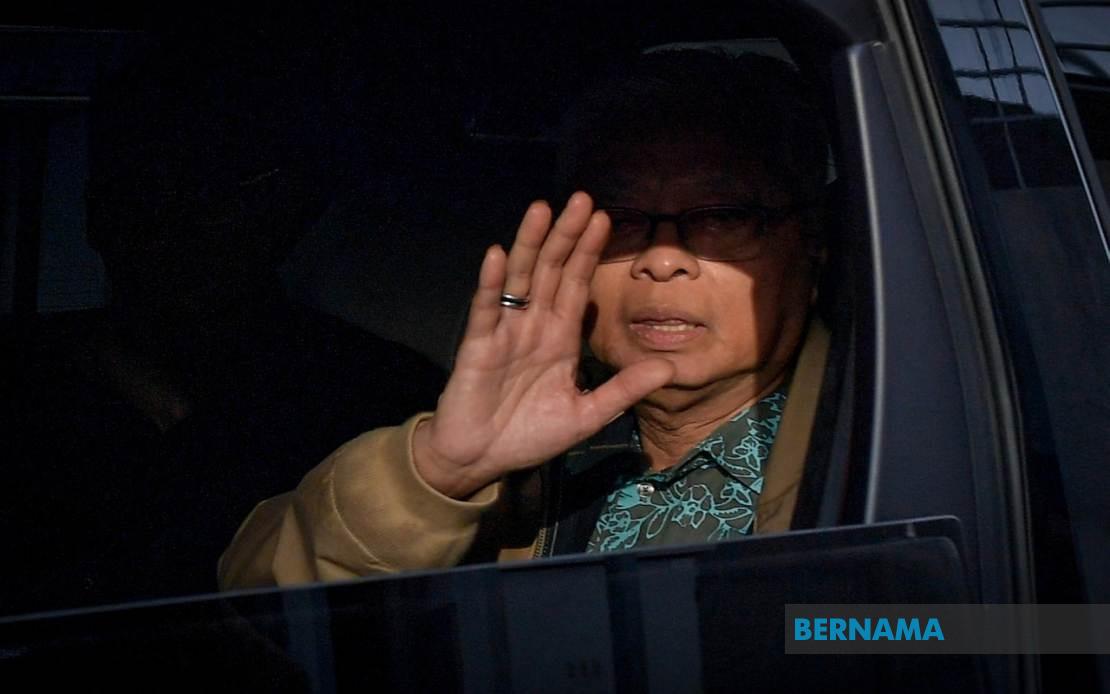
The High Court in Kuala Lumpur has delivered a significant judgment in a closely watched free speech case, upholding the acquittal of blogger Jufazli Shi Ahmad against charges related to offensive communications posted on YouTube targeting former Prime Minister Datuk Seri Ismail Sabri Yaakob and the United Malays National Organisation. Judge Datuk Aslam Zainuddin on October 18, 2024, dismissed the prosecution's appeal and affirmed the Sessions Court's decision to discharge and acquit the blogger, marking an important development in Malaysia's evolving jurisprudence on digital expression and political commentary.
Jufazli faced two distinct charges that had raised concerns among civil liberties advocates regarding the scope of Malaysia's communications laws and their application to political speech. The first charge related to creating and transmitting an offensive video through his 'King Maker Politik' YouTube channel, with the material uploaded on June 27, 2022, at 3 pm. The prosecution later accessed and examined the video at the Criminal Investigation Division office of Dang Wangi District Police Headquarters on July 1, 2022, some four days after publication. The second charge centred on Jufazli's alleged refusal to surrender the password to his YouTube account when requested by police during an investigation at Dang Wangi IPD on July 5, 2022, at 12:10 pm.
The legal framework under which the blogger was prosecuted carries substantial penalties that underscore the seriousness with which authorities approached the matter. The first charge invoked Section 233(1)(a) of the Communications and Multimedia Act 1998, which can result in fines reaching RM50,000, imprisonment of up to one year, or both upon conviction. Additional penalties of RM1,000 daily can accrue for each day the alleged offence continues after conviction. The password charge fell under Section 249 of the same Act, exposing the accused to potentially harsher consequences, including fines up to RM100,000 or imprisonment for up to two years, or both. These sentencing provisions illustrate how digital communications legislation in Malaysia carries implications comparable to traditional criminal charges.
The High Court's decision to uphold the lower court's acquittal carries implications extending beyond Jufazli's individual case. In dismissing the prosecution's appeal, Judge Aslam stated after reviewing the Sessions Court judge's grounds of judgment and submissions from both parties that the appellate court found insufficient basis to overturn the original acquittal. Deputy Public Prosecutor Mohamad Fadhly Mohd Zamry had argued on behalf of the state, while Jufazli was represented by lawyer Ramesh N.P. Chandran, a seasoned criminal defence advocate. The High Court's affirmation of the acquittal suggests that the Sessions Court had found reasonable doubt regarding the prosecution's case or determined that the communications in question did not meet the legal threshold for conviction under the relevant statutory provisions.
This judgment occurs within Malaysia's broader context of evolving attitudes toward digital expression and online political discourse. The case illustrates the ongoing tension between national laws designed to prevent harmful communications and the legitimate space required for political criticism and public commentary in a functioning democracy. The decision to uphold the acquittal indicates judicial recognition of these competing interests, particularly regarding the protection of speech critical of public figures and political parties. Bloggers and online commentators, who form an increasingly influential segment of Malaysia's media landscape, have closely followed this litigation as it tested the boundaries of permissible political expression in digital spaces.
The 'King Maker Politik' channel through which Jufazli published his content suggests a focus on political analysis and commentary, a genre that has gained traction in Malaysia as traditional media outlets have faced consolidation and ownership concentration. YouTube and similar platforms have emerged as important venues for alternative political voices, particularly among younger demographics seeking diverse perspectives on government and state governance. The High Court's decision implicitly recognises the legitimacy of such platforms for political discussion, provided the content does not cross specific legal thresholds established by the Communications and Multimedia Act.
The acquittal also reflects judicial scrutiny of police investigative procedures and evidentiary standards in digital communications cases. The prosecution's reliance on technical evidence and the blogger's account security credentials suggests a meticulous investigative approach, yet the courts have determined this evidence insufficient to sustain conviction. This pattern may influence how law enforcement agencies approach future investigations into online political speech, potentially prompting greater caution before pursuing charges under the Communications and Multimedia Act. The requirement that charges be substantiated by clear evidence, rather than assumptions about the intent or impact of online communications, establishes important precedent.
For Malaysia's political landscape, the ruling arrives at a juncture when online discourse continues shaping public opinion and electoral outcomes. The acquittal of a blogger facing substantial potential penalties demonstrates that courts retain capacity to distinguish between genuinely harmful communications and protected political expression, even when legislation casts a wide net. This judgment could encourage greater public participation in online political discussion, though awareness of legal risks will likely remain a constraining factor for many potential commentators.
The case underscores the importance of legal representation and judicial review in protecting individual rights against potentially overzealous prosecution. Jufazli's access to quality legal counsel through Ramesh N.P. Chandran and his ability to appeal through the judicial system enabled vindication of his position. Not all Malaysians facing similar charges possess equivalent resources, highlighting disparities in how digital communications laws are applied across different segments of society. The judgment, while favourable to Jufazli, leaves unresolved broader questions about whether the Communications and Multimedia Act requires amendment to provide clearer distinctions between protected speech and genuinely harmful communications.

