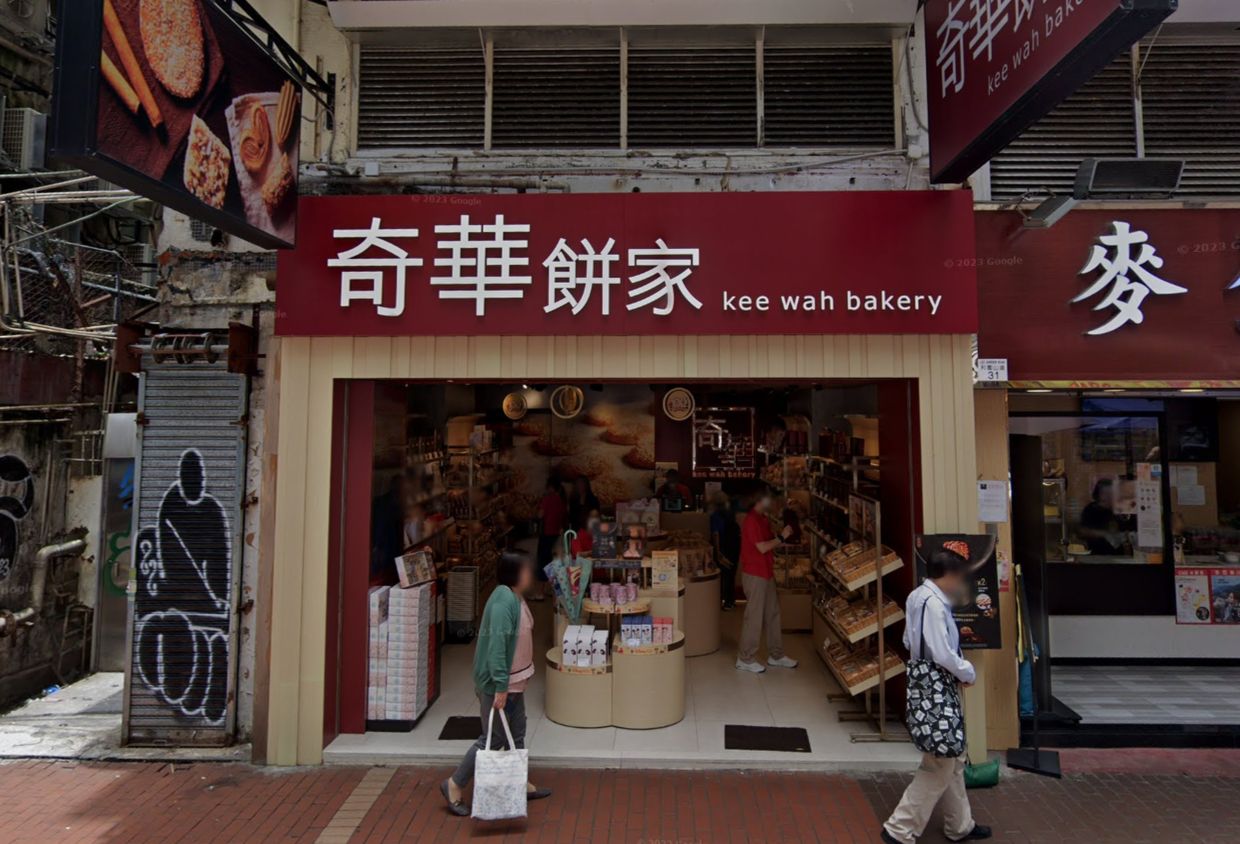
Kee Wah Bakery, the iconic Hong Kong institution renowned for its confectionery heritage, has fallen victim to a significant cybersecurity breach involving ransomware deployed against its core network infrastructure. The disclosure, made public on Tuesday, revealed that the attack compromised a system storing sensitive information spanning multiple stakeholder categories including employees, business collaborators, customers of the retail storefront and subscribers to the company's mobile application. The malfunction was first detected on Friday of the preceding week, marking what has become an increasingly familiar vulnerability point for even well-established retail operations across Asia-Pacific.
The incident represents a watershed moment for data security consciousness in Hong Kong's consumer-facing retail sector. While preliminary forensic investigation determined that ransomware was indeed the attack vector, the bakery company remains unable to definitively establish whether the intruders successfully exfiltrated any personal information before encryption or system lockdown occurred. This ambiguity is characteristic of contemporary ransomware campaigns, where threat actors often deploy dual-extortion tactics—encrypting systems while simultaneously harvesting data to leverage in negotiations or public exposure threats. For consumers and employees, the uncertainty itself carries significant anxiety value, as the full scope of compromise may remain unknown for weeks or months pending detailed forensic reconstruction.
The breach encompasses multiple categories of sensitive information, creating layered compliance and notification obligations. Employee personal data represents a particular concern for labour protection authorities, as does the customer base information collected through both the physical retail network and the company's digital channels. The mobile application membership database adds another dimension, as users typically provide location data, purchasing history, and sometimes payment-related metadata when registering for such services. Notably, the bakery has clarified that payment card details and direct customer financial information were segregated from the compromised systems—a distinction suggesting at least some architectural separation of sensitive payment infrastructure, though this provides limited reassurance to those affected.
Kee Wah Bakery's response protocol has followed the contemporary playbook for disclosed breaches, prioritising transparency alongside pragmatism. The company engaged external cybersecurity specialists to assess damage, contain the threat and rebuild system integrity, a response mirroring industry best practices for forensic investigation and remediation. Internally, management initiated a comprehensive notification campaign addressing employees, customers and suppliers, the latter group often overlooked in public communications but representing critical stakeholders in supply chain vulnerability mapping. The bakery advised all potentially affected parties to implement defensive measures including heightened vigilance against social engineering, regular credential rotation, and monitoring of financial accounts for suspicious activity.
Regulatory engagement commenced within days of detection, with Kee Wah reporting the incident to both Hong Kong's Office of the Privacy Commissioner for Personal Data and law enforcement authorities. The Privacy Commissioner's office responded by formally requesting comprehensive details about the breach scope, specifically seeking clarification on the number of individuals potentially compromised and the specific categories of personal data involved. This regulatory escalation is standard for incidents of this classification in Hong Kong's strict data protection framework, mirroring approaches across developed economies. Such oversight serves dual purposes: ensuring victim notification compliance while building aggregate intelligence about emerging threat patterns and attacker methodologies.
The timing of this breach carries particular resonance for regional observers monitoring cybersecurity trends in Hong Kong and Greater China. The bakery industry, despite its traditional operations veneer, has undergone significant digital transformation over the past decade, with supply chain management systems, inventory platforms, and customer relationship databases now interconnected through networks that may lack the security hardening typical of technology-native companies. This vulnerability gap between operational sophistication and cybersecurity maturity affects not only large retail chains but cascades through smaller suppliers and service providers dependent on their systems.
Kee Wah Bakery's foundational history—established in 1938 with manufacturing operations centred at its Tai Po facility—underscores the challenge facing legacy businesses adapting to digital-era threats. The company's longevity and brand equity, built across generations within Hong Kong's consumer consciousness, represents precisely the kind of target that attracts ransomware syndicates. Established businesses typically operate with higher capital bases, established customer loyalty that persists despite breach incidents, and insurance policies covering extortion demands—collectively creating an attractive profile for threat actors seeking ransom negotiation prospects.
The financial and reputational dimensions of this breach extend beyond immediate containment costs. Customer confidence in the brand, particularly among the mobile application user base where digital engagement implies an expectation of data stewardship, faces tangible jeopardy. Employee morale and recruitment prospects may suffer, especially among technology-proficient younger workers skeptical of legacy company cybersecurity practices. Supply chain partners may demand enhanced security certifications or third-party auditing as conditions for continued collaboration, imposing operational friction on the business recovery phase.
For Malaysian and broader Southeast Asian business leaders observing this incident, several systemic lessons warrant integration into operational planning. Ransomware campaigns increasingly target mid-to-large traditional retailers rather than technology companies, exploiting the security-operations gap prevalent in non-digital-native industries. Insurance frameworks and regulatory obligations now effectively mandate breach disclosure and victim notification, eliminating previously viable containment strategies. Cybersecurity investment must encompass not merely perimeter defence but architectural principles ensuring critical data systems enjoy segregation from less-sensitive operational networks, as Kee Wah's payment system separation partially demonstrates.
The investigation remains ongoing, with forensic specialists conducting detailed reconstruction of attack timelines, compromised system inventories, and data exfiltration confirmation. This extended uncertainty characterises modern breach responses, where technical investigation timelines often extend beyond initial public disclosure periods. Kee Wah's commitment to comprehensive cybersecurity review and implementation of expert-recommended enhancements suggests institutional recognition that this incident reflects not isolated failure but systematic gaps requiring structural remediation.
Stakeholders across Hong Kong's retail and manufacturing sectors are observing how Kee Wah Bakery navigates the investigation's remainder and subsequent regulatory determinations. The case may establish precedent regarding expectations for breach response, victim notification adequacy, and standards for cybersecurity enhancement implementation. For a company whose brand equity derives substantially from heritage and consumer trust, the coming weeks represent a critical juncture in demonstrating that digital-era stewardship can integrate with traditional manufacturing excellence.

