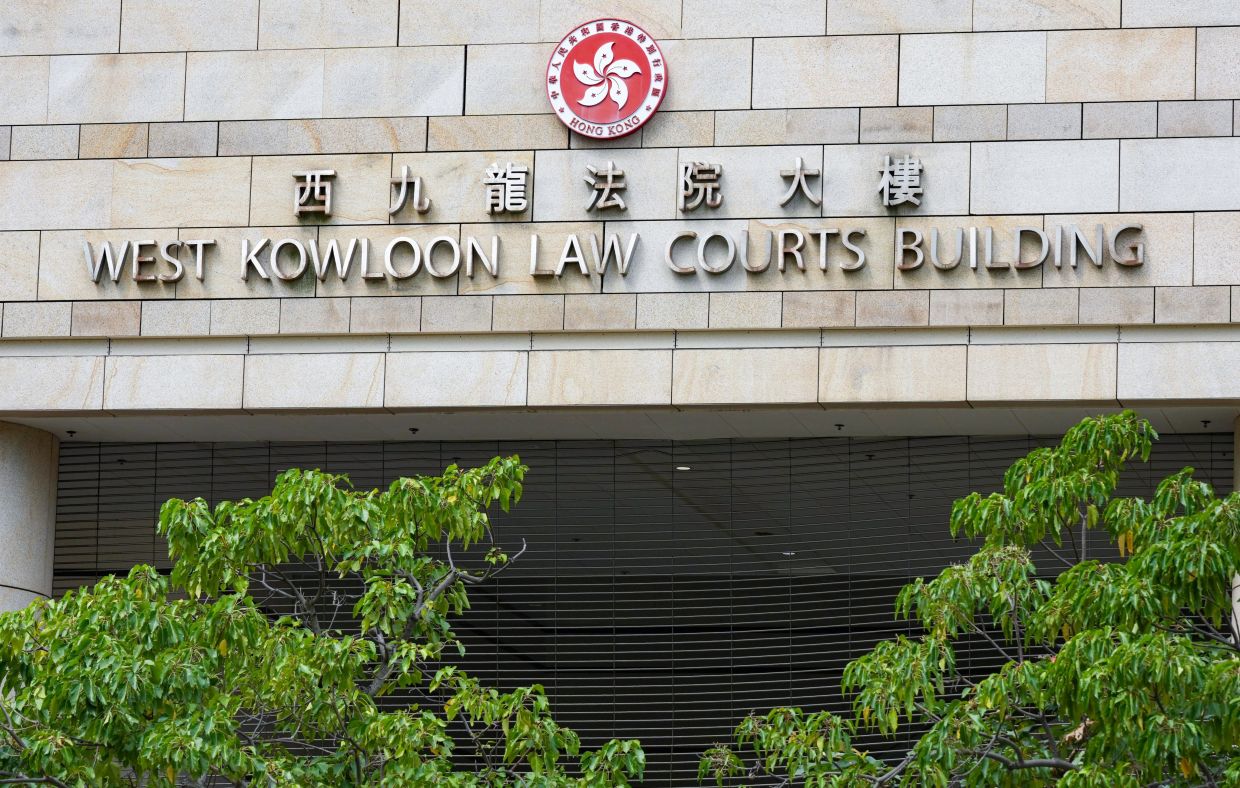
A 65-year-old recidivist sex offender in Hong Kong has received a four-month prison sentence after being convicted of groping a secondary school student aboard a crowded bus in Kowloon, an incident that sparked public outrage after bystanders filmed and shared footage of the assault online. The West Kowloon Court handed down the conviction to William Wu Yiu-shing, a former hardware salesman, on Tuesday following his guilty plea to charges of indecent assault. The case underscores persistent concerns in Hong Kong about sexual harassment on public transportation and the limited deterrent effect of existing penalties against habitual offenders.
The assault occurred on June 5 at approximately 12:10pm when Wu attacked the teenager aboard a KMB double-decker bus as it navigated the busy intersection of Mong Kok Road and Sai Yeung Choi Street South. Security footage and eyewitness video, which circulated widely across social media platforms, captured Wu in a white sleeveless shirt reaching forward with his left arm to inappropriately touch the girl, who was seated directly in front of him on the upper deck. The 37-second clip revealed that despite audible warnings from pedestrians on the street, Wu continued his criminal behaviour as the vehicle moved through the intersection, suggesting either deliberate disregard or troubling indifference to his actions being observed.
The victim, a Form Three pupil, provided authorities with a detailed account of her traumatic experience. She described feeling her armpit being touched briefly and observing Wu attempting to grab her, but she froze from fear and did not immediately react or seek help. In the aftermath, the shocked teenager rushed home rather than reporting the incident herself—a response consistent with trauma responses documented among assault survivors who experience paralysis or delayed disclosure. Her eventual report to police proved pivotal in launching the investigation that led to Wu's arrest.
Police intercepted Wu at the Hong Kong-Zhuhai-Macau Bridge border checkpoint later that same day as he attempted to return from Macau, indicating he may have been attempting to flee or evade authorities. During questioning, Wu admitted that he had perpetrated the offence to gratify his sexual urges, offering no credible explanation or justification for his predatory conduct. His confession was comprehensive and without apparent reservation, suggesting either genuine acknowledgment of guilt or recognition of the overwhelming photographic evidence against him.
What renders this case particularly alarming is Wu's extensive criminal history. The defendant carried three prior convictions for indecent assault, establishing a clear pattern of repeat offending and flagrant disregard for legal consequences. Each previous conviction should theoretically have triggered enhanced monitoring, psychological intervention, or custodial arrangements, yet Wu remained free to commit this fresh violation. His willingness to reoffend despite documented prior convictions raises serious questions about the adequacy of sentencing guidelines and rehabilitation frameworks in Hong Kong's criminal justice system.
During sentencing proceedings, Wu's appointed duty lawyer presented mitigating arguments centring on the defendant's acceptance of culpability and ostensible willingness to participate in psychological treatment aimed at addressing his sexual deviance. The legal representation emphasised that Wu had forthright acknowledged not only his latest transgression but also admitted to committing previous offences using similar methods—a statement that simultaneously undermines any credibility to claims of genuine rehabilitation while perhaps inadvertently demonstrating the calcified nature of his criminal propensities.
The court imposed a four-month custodial term, significantly below the maximum penalty available under Hong Kong law. Indecent assault charges ordinarily carry a potential sentence of up to ten years' imprisonment; however, when adjudicated by a magistrate rather than a higher court, the maximum drops to two years. Wu's relatively modest sentence—just two months above the minimum—has already drawn scrutiny from victims' advocates who question whether such penalties sufficiently deter repeat offenders or adequately protect vulnerable members of the public, particularly young people utilising mass transit systems.
Because Wu has been held in remand since his prosecution commenced on June 8, he is expected to become eligible for early release within approximately one month—meaning his total time in custody may be significantly less than the imposed sentence. Early release provisions, while standard in many jurisdictions to account for remand time, often generate public concern when applied to sexual offenders, particularly those with extensive criminal histories. The abbreviated effective incarceration period raises uncomfortable questions about proportionality and whether the judicial response adequately reflects community expectations regarding sexual violence.
This case resonates throughout Southeast Asia and Hong Kong specifically given the prevalence of sexual harassment and assault on public transportation networks across the region. Women and teenagers in Malaysia, Singapore, and Hong Kong frequently report uncomfortable and threatening experiences during commutes, from verbal harassment to physical contact, yet conviction and sentencing rates remain comparatively low. The Hong Kong incident, captured on video and impossible to dispute factually, nonetheless resulted in a sentence that critics argue fails to provide meaningful deterrence to potential offenders.
The involvement of social media in publicising the assault represents a double-edged development. Public awareness and viral circulation of such incidents can mobilise community concern and pressure authorities into action, as occurred here. Conversely, some commentators worry that sensationalised online coverage may glamorise or normalise such behaviour, and that the identification and prosecution of offenders—regardless of conviction—may create legal vulnerabilities for those who film and share such content without necessarily encouraging broader systemic change in how societies address sexual violence on transport.
Wu's case also illuminates the limitations of therapeutic intervention as a standalone rehabilitation strategy. The defendant's demonstrated willingness to undergo psychological counselling, while superficially encouraging, cannot alter the fundamental reality that he has been convicted repeatedly of identical sexual offences. Without comprehensive, compulsory, and evidence-based interventions—and, crucially, community protection measures—such treatment options may offer false comfort rather than genuine risk reduction.
Looking forward, this prosecution may prompt renewed discussion in Hong Kong regarding whether enhanced sentencing for repeat sex offenders, mandatory psychological assessment prior to release, or additional monitoring and restrictions on mobility represent appropriate policy responses. Malaysian policymakers and judicial authorities might similarly examine whether existing frameworks adequately protect public safety, particularly concerning vulnerable populations accessing shared public spaces. The balance between rehabilitation, punishment, and community protection remains contested, but cases involving recidivist offenders with documented patterns of sexual predation suggest that current approaches warrant rigorous re-evaluation.

