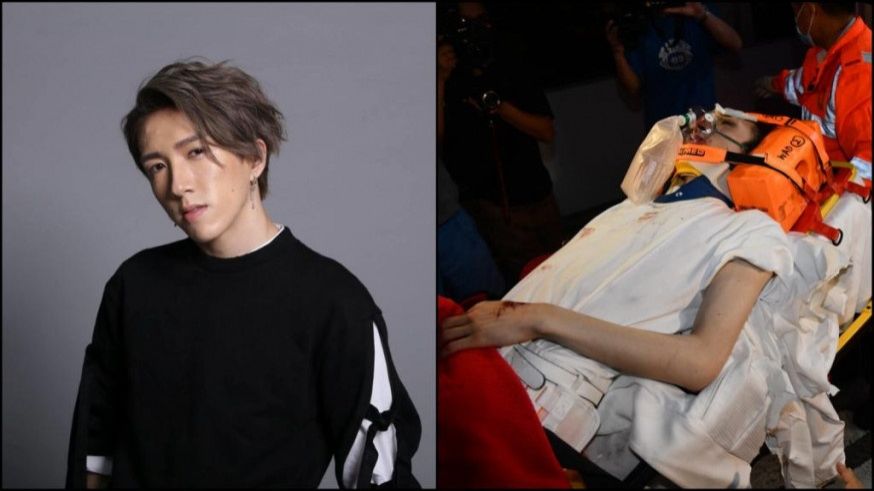
Mo Li Kai-yin, a 31-year-old dancer from Hong Kong, has been awarded HK$6.29 million (approximately RM3.32 million) in damages after suffering catastrophic injuries during a live performance at Hong Kong Coliseum in July 2022. The District Court ruling on June 15 marks a significant moment in the legal aftermath of the accident, which left the performer permanently paralysed from the neck down and dependent on round-the-clock care for the remainder of his life.
The devastating incident occurred during the fourth show of what was intended to be a 12-concert run by Cantopop boy band Mirror. A four-by-four-meter LED screen panel fell from the ceiling, striking Mo and causing immediate and irreversible spinal damage. The court found that his employer, Studiodanz, was liable for the accident and ordered the company to pay the maximum compensation available across multiple categories, including permanent total incapacity, the cost of ongoing caregiving, periodic payments, and medical expenses. The judgment reflects the severity of Mo's condition and the court's determination that he has suffered injuries of a catastrophic nature.
The medical reality of Mo's situation underscores why the court assigned the maximum compensation available. Following the accident, he was diagnosed with cervical spine dislocation and underwent emergency surgery at Queen Elizabeth Hospital. He now requires the constant assistance of three caregivers who help him with personal hygiene, mobility, feeding, and all other activities of daily living. The court's language was unsparing in its description of his prognosis: Mo has been rendered "incapable of ever leading or appreciating an independent adult life." This judicial assessment directly shaped the compensation package, which includes provisions for lifelong medical care, rehabilitation, and personal assistance.
Mo's path to becoming a professional dancer began relatively recently. While studying at university between 2015 and 2019, he developed a passion for dance that eventually led him to pursue it as a full-time career from 2019 onwards. Before the accident, he had built a multifaceted career in the entertainment industry, performing at concerts, appearing on television programs, featuring in advertisements, and participating in music videos. Beyond performance work, he also served as a dance instructor at four different studios, including Studiodanz, the company now ordered to compensate him. This combination of performing and teaching roles meant he was actively engaged across the Hong Kong entertainment ecosystem.
The immediate aftermath of the accident revealed the extent of the injury and the long road to recovery. After his initial emergency treatment and stabilisation at Queen Elizabeth Hospital, Mo was transferred to private medical facilities in Hong Kong and subsequently to overseas institutions where he could access more specialised treatment. His recovery journey has involved intensive rehabilitation programmes utilising cutting-edge medical technologies, including regenerative medicine approaches and an implantable microstimulator designed to help restore some neural function. These experimental and advanced treatments represent significant financial commitments, explaining in part why the court awarded comprehensive compensation for medical expenses.
Despite the permanence of his paralysis, Mo has experienced incremental improvements through his rehabilitation efforts. He has regained some movement in his right arm and has recovered sensation in his bladder and bowel functions—gains that, while modest in absolute terms, represent meaningful progress in his recovery journey. A video posted on his Instagram account in March 2024 demonstrated his ability to operate an electric wheelchair using his right hand, a development that suggests he may achieve greater independence in certain activities, even if full recovery remains impossible.
The human cost of the accident extended beyond Mo himself. His father, Reverend Derek Li Shing-lam, resigned from his pastoral position and returned to Hong Kong from Canada specifically to become his son's full-time caregiver. This decision reflected the intensive level of support Mo required and the family's commitment to his welfare. Tragically, Reverend Li passed away on April 25, leaving Mo to depend entirely on professional caregivers for his daily needs. The loss of his father, who had sacrificed his own career to support him, adds another dimension of loss to Mo's circumstances beyond the physical disability itself.
From a legal and regulatory perspective, the compensation award was preceded by administrative action against Studiodanz. The company had previously been fined HK$132,000 for violations of occupational safety regulations related to the accident. However, the company did not participate in the trial that determined compensation levels, and the court proceeded to award damages based on the evidence presented. Beyond the compensation to Mo, the court ordered Studiodanz to pay interest on the damages and to cover Mo's legal costs, further adding to the financial consequences the company faces for the accident.
The judgment carries implications for workplace safety standards across Hong Kong's entertainment and events industry. The scale of compensation—the maximum available under law—sends a clear signal about the seriousness with which the courts view failures in occupational safety, particularly when such failures result in permanent, life-altering injuries. For production companies, event organisers, and venues hosting large-scale performances, the ruling reinforces the critical importance of rigorous safety protocols, regular equipment inspections, and secure installation of heavy technical infrastructure like LED screens.
For the broader Southeast Asian entertainment sector, including Malaysia, the case serves as a cautionary tale about the potential consequences of inadequate safety measures at live events. As the region's entertainment industry continues to grow, with larger concerts and more ambitious technical productions becoming commonplace, the legal precedent set by Mo's case underscores that organisers cannot afford to cut corners on safety. The financial liability, both in terms of compensation awards and regulatory fines, can be substantial when accidents occur.
Mo's ongoing rehabilitation journey continues to consume significant resources and medical attention. His participation in advanced experimental treatments demonstrates a commitment to maximising whatever functional recovery might be possible, even knowing that full restoration of mobility is not achievable. The compensation he has been awarded is intended to ensure that these treatment efforts can continue and that his care needs can be met comprehensively throughout his lifetime. While no amount of money can restore his former life or career, the judgment at least ensures he will not face financial barriers to accessing the care and treatment his condition requires.
The case also highlights the vulnerability of performing artists and technical personnel in the entertainment industry. Safety concerns in live performances are not merely abstract occupational health issues—they are matters of life and death that can fundamentally alter the trajectories of individuals and families. Mo's case, tragic as it is, may contribute to improved safety standards across the region if other venues and organisers take its lessons seriously. The young dancer's experience, from promising performer to permanently disabled individual dependent on lifelong care, stands as a sobering reminder of why entertainment safety protocols exist and why they must be rigorously enforced.

