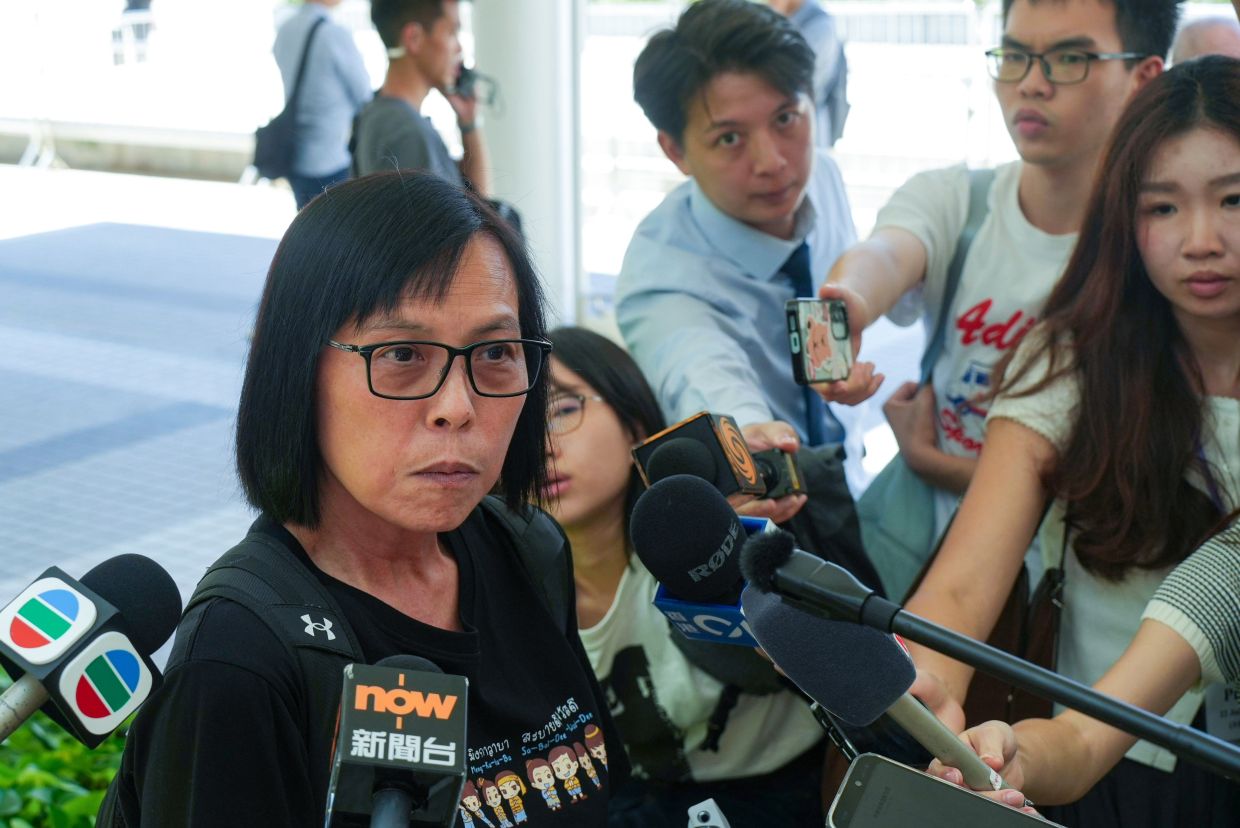
The investigation into Hong Kong's deadly Wang Fuk Court residential fire faces new questions about its investigative scope after the independent panel declined to request statutory powers from the territory's government. Committee chairman Justice David Lok Kai-hong announced the decision as hearings resumed this week following a six-week adjournment, signalling that the inquiry will proceed without the enhanced authority that comes with formal statutory commission status.
This development carries particular significance for Southeast Asian observers, as Hong Kong's approach to major incident investigations influences regulatory frameworks across the region. The Wang Fuk Court fire, which occurred last year, prompted widespread scrutiny of building safety standards and emergency response protocols—issues directly relevant to Malaysia and other nations with aging housing stock and densely populated urban centres. The decision to forgo statutory status potentially limits the inquiry's power to compel testimony, subpoena documents, and impose penalties for non-compliance, tools that have proven essential in previous major incident investigations across the region.
Survivors and their representatives have expressed mounting concern that the absence of statutory authority could create investigative blind spots. Without statutory commission powers, the inquiry lacks formal mechanisms to enforce cooperation from government agencies, building owners, and contractors. This constrains the panel's ability to pursue leads that may implicate institutional failures or regulatory negligence. In comparable investigations elsewhere in Asia, statutory status has enabled investigators to access restricted documents and compel testimony from reluctant witnesses—leverage that this Hong Kong inquiry will not possess.
The practical implications extend beyond Hong Kong's borders. Building safety regulations in Malaysia, Singapore, and other regional jurisdictions often face similar enforcement challenges. Investigators struggle to determine whether fires result from structural defects, maintenance failures, or procedural lapses when organisations can limit disclosure without legal consequence. The Hong Kong committee's decision demonstrates how procedural choices made during incident investigation can either strengthen or weaken public accountability mechanisms that protect residents across the region.
Justice Lok's statement that the panel will not request statutory conversion during the ongoing investigation raises questions about whether such a request might materialise later. However, the timing suggests organisational preference for the current arrangement. Statutory inquiries typically involve more formal procedures, extended timelines, and greater cost to government—factors that may have influenced the decision. From a Malaysian perspective, this illustrates how administrative convenience can sometimes override investigative rigour, a tension that affects building safety oversight in multiple jurisdictions.
The Wang Fuk Court fire occurred in a residential building serving lower-income residents, a demographic whose safety concerns often receive less attention during policy debates. The inquiry's investigative limitations may therefore disproportionately affect those least able to pursue independent accountability mechanisms. Hong Kong residents and their regional counterparts expect that official investigations into preventable tragedies will pursue every available avenue to identify systemic failures and recommend reforms. Statutory status would have provided assurance that such pursuit would occur with government backing.
Previous major incident inquiries in Asia have demonstrated the value of statutory powers. Investigations into building collapses, industrial accidents, and fires have repeatedly shown that voluntary cooperation proves inadequate when powerful institutions face potential liability. Statutory commissions can interview witnesses under oath, conduct forensic analysis without interference, and make findings that carry legal weight in subsequent proceedings. The Hong Kong committee foregoes these advantages, relying instead on goodwill and persuasive authority.
The six-week pause before the inquiry resumed may itself merit examination. Adjournments in major investigations can allow evidence to become stale, witnesses to reconsider cooperation, and institutional memory to fade. Whether the pause reflected procedural scheduling or substantive investigative needs remains unclear. Such intervals invite speculation about investigative momentum and the capacity to maintain public pressure for thorough examination of the incident.
Regional building safety advocates note that Hong Kong's decision sends a message about how seriously post-incident investigations are conducted. Developers and building owners observe whether inquiries possess teeth or operate primarily for public relations purposes. Statutory status signals genuine commitment to accountability; declining such status may suggest otherwise. For Malaysian policymakers reviewing building safety frameworks, Hong Kong's experience offers a cautionary example of how procedural decisions made in the aftermath of tragedy can either strengthen or undermine future prevention efforts.
The inquiry's findings, whenever released, will likely recommend regulatory reforms or additional inspections. However, recommendations from an inquiry lacking statutory authority carry less weight than those emerging from formal commissions of inquiry. Government bodies and private organisations may treat them as advisory rather than directives rooted in formal investigative process. This distinction matters when preventing future incidents depends on swift, unambiguous implementation of safety measures.
As the investigation continues, survivors and their advocates will closely monitor whether the absence of statutory powers creates investigative dead-ends or whether the panel's expertise and determination prove sufficient. The outcome will influence how future major incidents are investigated not only in Hong Kong but across Southeast Asia, where similar discussions about balancing procedural efficiency with investigative rigour are ongoing. The decision Justice Lok announced reflects broader questions about institutional accountability and the mechanisms through which societies protect residents from preventable disaster.

