Hong Kong police have arrested two individuals suspected of selling seditious materials and accepting funds from overseas political organisations, operating under powers granted by the territory's 2024 national security legislation. The arrest, announced on Wednesday but disclosed publicly through Thursday's government statement, has intensified concerns about the pace at which authorities are using expansive security laws to suppress dissenting voices in the financial hub.
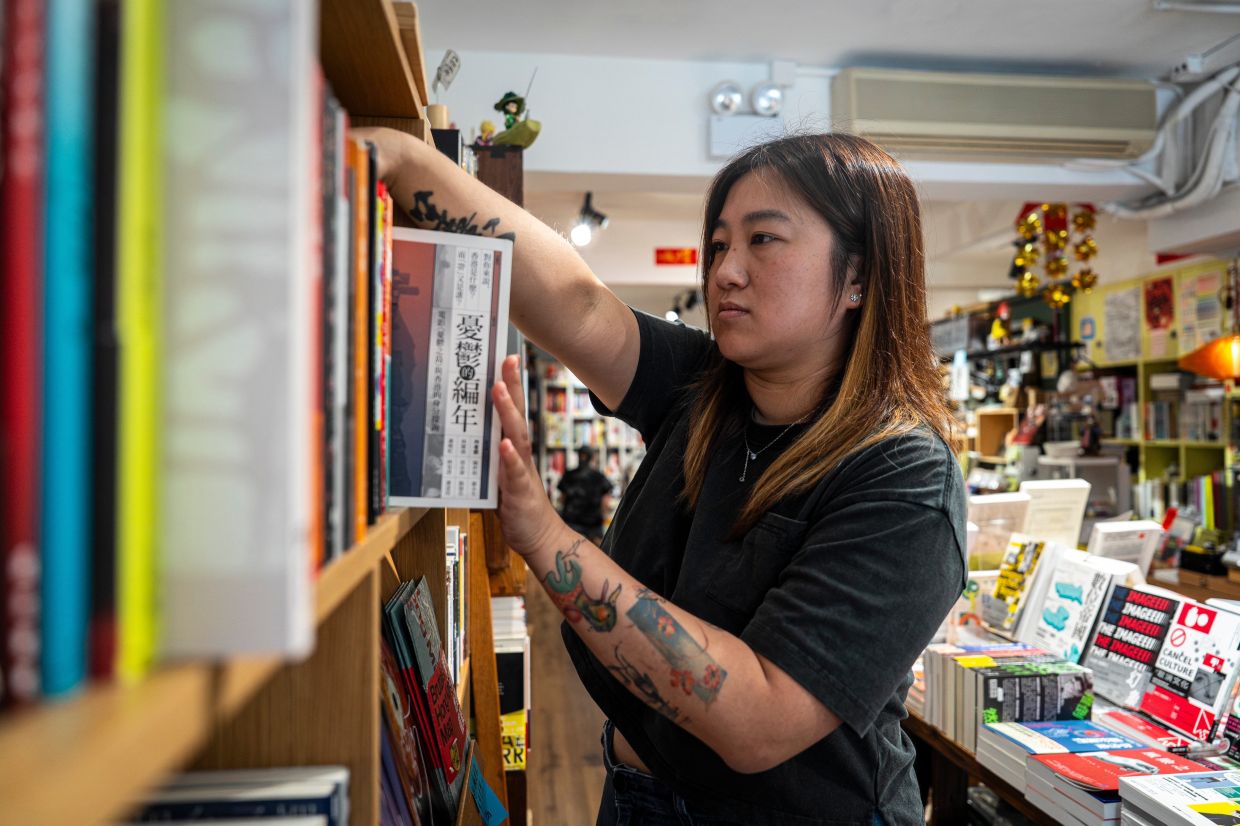
While official channels have withheld identities, local Chinese-language media including Ming Pao have reported that one of those detained is Leticia Wong, proprietor of Hunter Bookstore located in Sham Shui Po district. Wong, a former district councillor with outspoken pro-democracy sympathies, has maintained her political activism even as many prominent figures in Hong Kong's opposition movement have faced imprisonment following the turbulent 2019 protest period. Her potential involvement would represent a significant development in what observers view as a systematic dismantling of political dissent.
The timing of this action carries symbolic weight. The arrests occurred merely seven days before Hong Kong marks the 29th anniversary of its 1997 reversion from British to Chinese control, a moment that annually reignites debate over Beijing's fidelity to its commitments regarding the territory's autonomy and civil liberties. Critics have long argued that the promised preservation of Western-style democratic freedoms has eroded substantially, and these enforcement actions appear to validate such warnings.
According to the government's formal announcement, the two individuals are suspected of committing multiple offences centred on their bookstore operations. Police allege they displayed and distributed materials containing seditious content, specifically items designed to incite animosity towards Hong Kong's government apparatus, its judicial system, and law enforcement bodies. Additionally, authorities contend the pair received monetary transfers originating from foreign political entities, though the government statement remained silent on which specific organisations or publications were implicated.
Wong's bookstore has previously attracted official scrutiny that reveals the pattern of pressure she describes facing. Last year, a pro-Beijing newspaper criticised an independent book fair hosted at her premises, characterising it as embodying "soft resistance" against the authorities. The publication specifically objected to Hunter Bookstore's intention to stock a biography of Jimmy Lai, a jailed pro-democracy publisher and media magnate whose imprisonment has drawn international criticism and concern.
The trajectory of official action against Wong demonstrates how enforcement measures accumulate in ways that create a chilling effect on free expression. In a detailed account provided to international media last year, Wong documented 92 separate governmental interventions directed at her shop spanning from July 2022 through June 2025. These ranged from physical inspections and visibly prominent police patrols outside the premises to formal warning letters alleging regulatory violations. Beyond official action, Wong has also encountered indirect suppression when an unidentified sender delivered a threatening letter to an organisation planning to hold an event at her bookstore, prompting immediate cancellation.
This case does not represent an isolated enforcement action. In March of this year, police apprehended the owner and several staff members of another independent bookstore on analogous charges concerning the distribution of seditious literature, with that biography of Lai again featuring prominently in the allegations. Though those individuals were eventually released on bail, the case established a template for how authorities are weaponising the security legislation against booksellers and vendors of political materials.
The national security framework authorising these arrests represents a dramatic expansion of governmental power. The 2024 legislation grants authorities sweeping discretion to define what constitutes seditious content, creating ambiguity that naturally results in overcautious behaviour among retailers and publishers. The vague boundary between protected speech and criminal sedition has effectively transformed independent bookstores into flashpoints of regulatory vulnerability, particularly when their inventory reflects ideological perspectives challenging the administration.
For the broader Southeast Asian context, Hong Kong's trajectory offers troubling implications. The territory has historically served as a regional beacon for press freedom, intellectual openness, and cultural dynamism. As these enforcement mechanisms intensify, they signal to other governments in the region that security frameworks can be deployed as tools for eliminating political opposition without triggering the international consequences authorities fear. Malaysia, with its own contested history of managing dissent and independent media, observes these developments closely.
The Hong Kong government maintains that both security laws remain essential safeguards for social stability, and insists that freedoms of expression remain adequately protected. This assertion, however, stands in tension with the visible enforcement patterns that disproportionately affect those expressing views critical of authority. The frequency of arrests, the breadth of charges pursued, and the targeting of even small independent booksellers suggest that security considerations have superseded commitments to civil liberties that once distinguished Hong Kong within China.
Wong's situation encapsulates a broader dilemma facing Hong Kong's remaining dissenting voices. Continued activism invites intensifying official attention and legal jeopardy, while silence represents a capitulation to pressure that few committed activists can reconcile with conscience. The accumulation of enforcement actions—whether formal arrests or the persistent warnings and inspections Wong documented—appears designed to exhaust both individuals and institutions into eventual submission, a strategy that transforms even routine retail operations into politically fraught undertakings.

