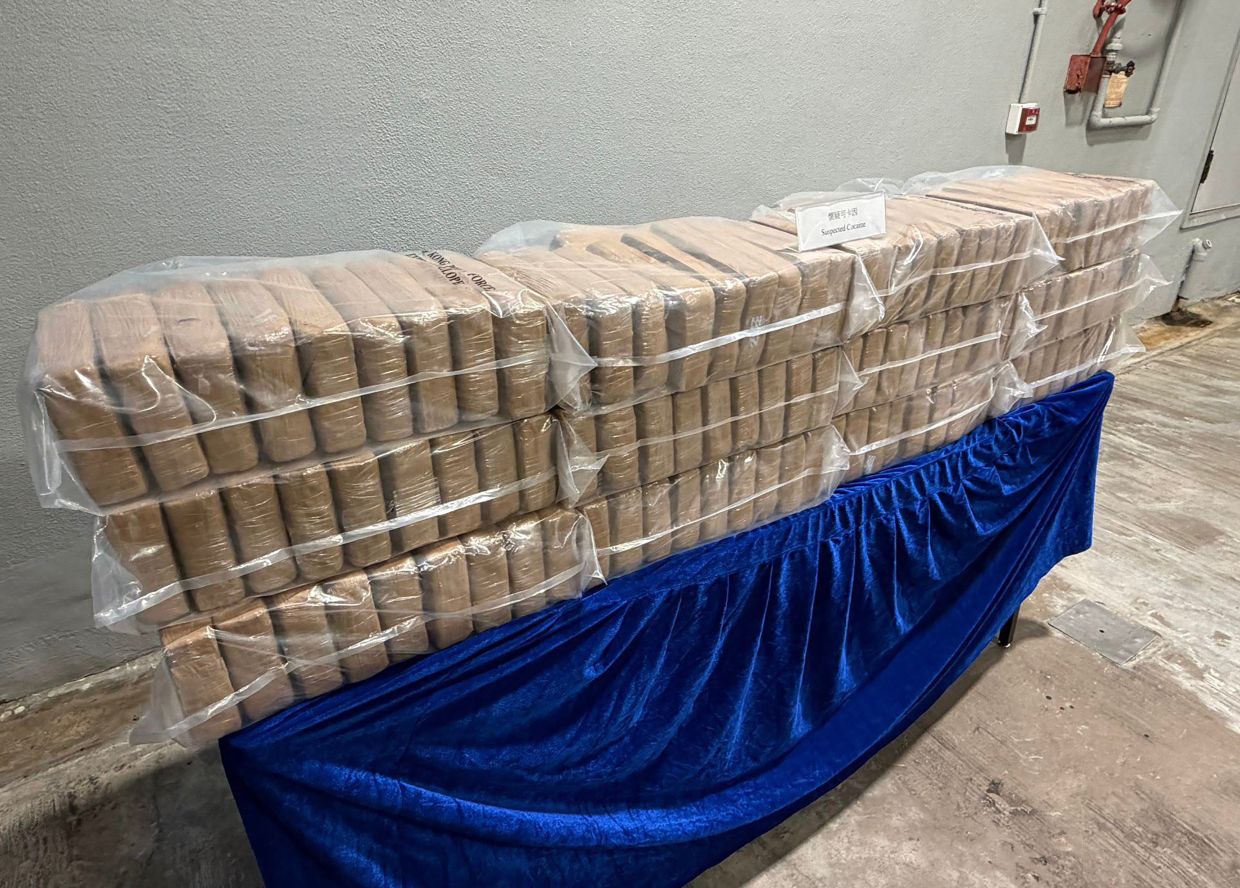
Hong Kong's narcotics division has dismantled what appears to be a sophisticated international drug smuggling operation, uncovering 361 kilograms of cocaine in coordinated raids on vessels moored in Aberdeen Typhoon Shelter. The discovery, which unfolded over a single week, has eclipsed all other cocaine trafficking cases the territory has recorded in the past twelve months and points to an organised syndicate operating multi-vessel storage networks along Hong Kong's bustling harbour.
The initial seizure occurred on Friday when officers descended on a yacht anchored in Aberdeen and discovered 241 kilograms of cocaine carefully packaged into bricks. The raid appeared to dismantle a critical supply depot, yet investigators quickly realised they were likely dealing with a larger distribution scheme. Within days, on Sunday, police moved against a second six-metre vessel moored nearby and recovered an additional 120 kilograms of the same narcotic. The complementary nature of these finds—identical packaging, comparable weights, and proximity to each other—convinced detectives they had intercepted a single batch destined for wider distribution rather than independent trafficking attempts.
The total quantity seized carries a street value estimated at HK$270 million, representing an enormous loss for whoever orchestrated the importation. For Hong Kong's law enforcement, the operation underscores the territory's continued vulnerability as a transit point for international drug trafficking. Despite its sophisticated port infrastructure and regulatory frameworks, the harbour's sheer volume of maritime traffic and the ease with which small vessels can anchor in semi-protected areas like Aberdeen Typhoon Shelter create opportunities for smugglers to establish floating warehouses beyond immediate detection.
The investigation has already yielded multiple arrests. Police apprehended a suspected kingpin and two alleged core members of the trafficking network following the first raid, with all three claiming to be either unemployed or engaged in fishing—cover stories that investigators clearly did not find persuasive. On Monday, authorities arrested a 45-year-old local woman identified as the registered owner of the second yacht. Her arrest suggests the syndicate may have relied on unwitting or coerced local nominees to obscure ownership chains, a common tactic in organised crime operations seeking to distance actual decision-makers from operational assets.
The woman remains in custody for questioning, and police have indicated she claimed unemployment status—a detail that raises questions about how she came to legally register a vessel and raises wider concerns about oversight of yacht ownership in the territory. The use of registered nominees, whether willing accomplices or intimidated associates, represents a vulnerability in Hong Kong's maritime regulation that extends beyond narcotics enforcement into broader anti-money-laundering and proceeds of crime legislation.
For Southeast Asian observers, this case illuminates the persistent challenge posed by transshipment networks that exploit Hong Kong's geographical position and port facilities. The territory sits at the intersection of multiple trafficking routes originating from South America and terminating in markets across East and Southeast Asia. The sophistication evident in this operation—the use of multiple vessels, identical packaging protocols, and apparent pre-arranged storage sites—indicates professional logistics planning that likely involved reconnaissance, coordination across international borders, and substantial financial resources.
The timing of consecutive raids suggests either good intelligence work by Hong Kong authorities or a breakdown in operational security by the syndicate itself. Either scenario carries implications for regional drug enforcement. If intelligence was the decisive factor, it points to enhanced cooperation between Hong Kong and international partners in tracking major shipments. If the syndicate made tactical errors, it may signal growing pressure on trafficking networks as police capabilities improve.
The cocaine seizure also reflects shifting patterns in Asian drug markets. While heroin and methamphetamine have traditionally dominated trafficking volumes through Southeast Asia, cocaine's increasing presence indicates evolving consumption patterns among affluent urban populations in East and Southeast Asia. Hong Kong, with its wealthy expatriate communities and financial sector professionals, represents a significant end market, but the sheer scale of this seizure suggests the consignment was destined for distribution across a wider regional customer base.
The investigation remains active, and police have indicated they continue pursuing additional suspects and investigating the syndicate's operational structure. The proximity of the two yacht raids and the identical nature of the seized narcotics suggest investigators may uncover additional storage vessels or discover where the cocaine originated before reaching Aberdeen. International cooperation will likely prove essential, as tracing the source of South American cocaine requires coordination with law enforcement agencies in producing countries and along established trafficking corridors.
This case underscores persistent challenges facing Hong Kong as it attempts to balance its role as a major international port with heightened security concerns. The Aberdeen Typhoon Shelter operation represents not merely a criminal enterprise disrupted, but evidence of systematic vulnerabilities in maritime monitoring that international smuggling networks continue to exploit with apparent sophistication and success.

