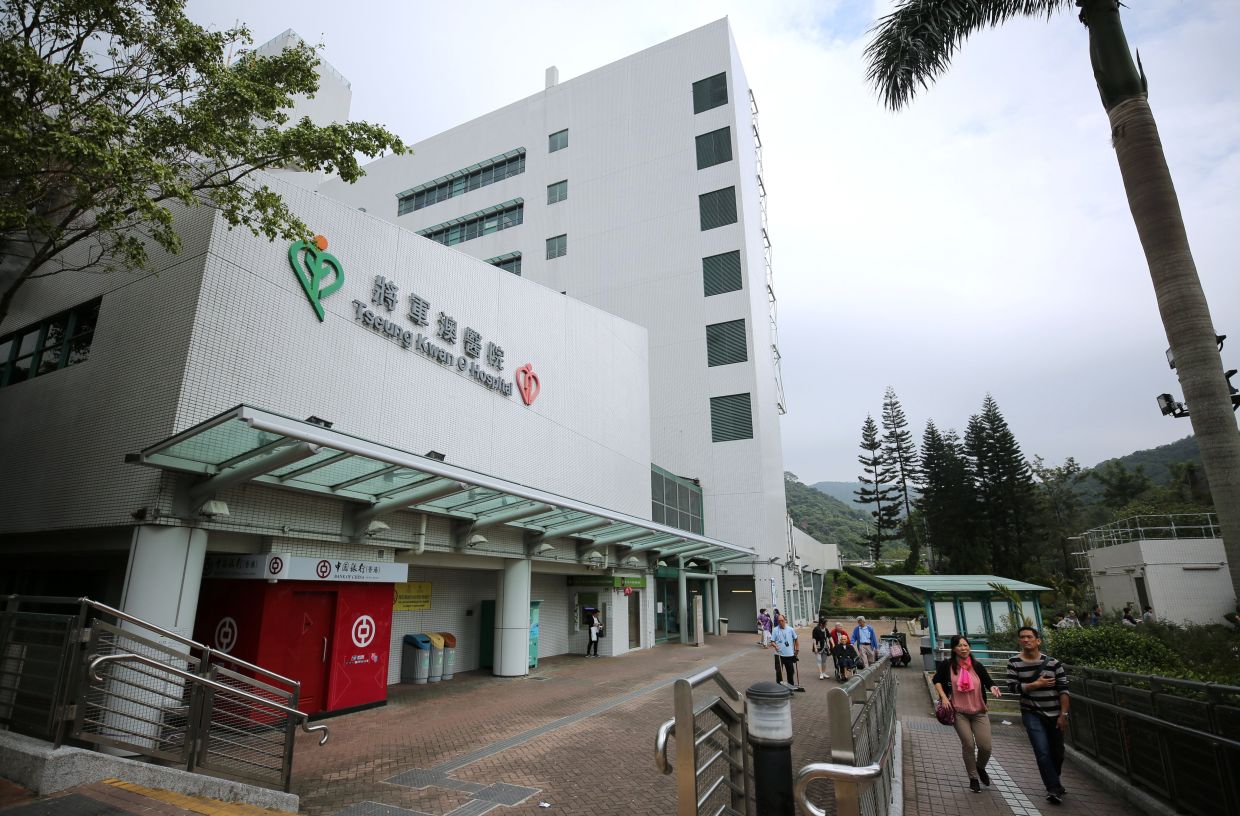
An investigation into a fatal surgical blunder at Tseung Kwan O Hospital in Hong Kong has concluded that the operating surgeon misidentified a patient's stomach for her colon, a critical error attributed to confirmation bias that ultimately contributed to the elderly woman's death three weeks after the procedure. The hospital released its findings on Thursday, documenting how an 85-year-old woman with obstructive sigmoid colon cancer underwent what should have been a straightforward operation to relieve an intestinal blockage, only to have the surgical opening created in the wrong organ entirely.
The patient, admitted for a transverse colostomy in early February, presented with all the hallmarks of a routine intervention. A colostomy involves creating a stoma, a surgically-constructed opening in the abdominal wall, typically to bypass a diseased or damaged section of the bowel. Medical staff initially observed that her vital signs remained stable following the operation, a reassuring sign that would normally suggest surgical success. However, abnormally high output from the newly created stoma should have immediately triggered alarm bells among the medical team responsible for her post-operative care.
The critical error went undetected for weeks. It was only when the patient developed low blood pressure and an elevated heart rate on March 1—more than three weeks after surgery—that she was transferred back to Tseung Kwan O Hospital from Haven of Hope Hospital, where she had been recovering. A computed tomography scan at that point revealed the devastating truth: the stoma had been fashioned in the stomach rather than the transverse colon. By then, her condition had deteriorated irreversibly. On March 3, following her family's decision to pursue a do-not-attempt-resuscitation order, she died.
The hospital's investigation identified a constellation of failures that extended far beyond the surgeon's individual mistake. The report specifically noted that the surgeon exhibited "confirmation bias" when identifying structures within the abdominal cavity, a cognitive error in which the brain unconsciously selects information that confirms a pre-existing belief while dismissing contradictory evidence. In surgical contexts, this phenomenon can be particularly dangerous, as it may cause a physician to proceed with an operation based on assumptions rather than rigorous verification. The surgeon, according to the hospital's findings, failed to implement additional confirmation measures that might have prevented the catastrophic error.
Systemic gaps in the hospital's processes compounded the initial surgical mistake. The investigation found that post-operative monitoring of the unusually high stomal output was inadequate, suggesting that nursing and medical staff either failed to recognize the abnormal signs or did not escalate their concerns appropriately through the chain of command. The surgical team lacked sufficient experience in managing complex cases of this nature, while critical communication breakdowns between the surgical unit and the rehabilitation teams responsible for the patient's ongoing care delayed reassessment and appropriate intervention. These institutional failures meant that a correctable problem went uncorrected for weeks.
The incident, publicly disclosed in March only after media inquiries, triggered broader concerns about surgical oversight and accountability in Hong Kong's healthcare system. Former lawmaker Michael Tien Puk-sun seized on the hospital's report to demand disciplinary action against the surgeon, characterizing the error as inexcusable. Tien pointed out that the surgeon had a history of previous mistakes and argued that the severity of this case warranted either demotion or outright dismissal. His criticism extended beyond the individual doctor to the institutional culture, questioning whether the hospital's repeated promises of improvement following incidents of this magnitude would ever translate into meaningful change. He further warned that such lapses damage Hong Kong's international reputation as a premium medical services destination.
The hospital's investigation panel issued several recommendations aimed at preventing similar incidents. These included a comprehensive review of clinical governance structures within the surgery department, mandatory involvement of the surgical team in patient care even after transfer to rehabilitation units, and requiring specialized stoma and wound care professionals to conduct formal assessments of post-operative patients with proper documentation and timely reporting protocols. These suggestions address both the technical aspects of surgical verification and the broader organizational culture that failed to catch the error.
Tseung Kwan O Hospital has stated that it has accepted all recommendations and claims to have already begun implementation of safety enhancements. The hospital is restructuring the department of surgery under a cluster-based governance model, intended to improve coordination and oversight across different surgical teams. Hospital authorities indicated that they will initiate human resources procedures regarding the doctors involved in the case and may refer the matter to the Medical Council, Hong Kong's regulatory body for medical practitioners, which could result in formal disciplinary action or restrictions on the surgeon's practice.
The case raises significant questions for medical professionals and hospital administrators throughout Southeast Asia regarding surgical verification protocols and the human factors that can undermine even routine procedures. Confirmation bias remains a persistent challenge in medicine, where the pressure to proceed with planned interventions and the surgeon's confidence in preliminary diagnoses can override the discipline required for systematic double-checking. For Malaysian healthcare institutions and others in the region, the Hong Kong case serves as a sobering reminder that strengthening safety systems requires not only technical protocols but also cultural commitment to questioning assumptions, particularly when clinical signs suggest something has gone wrong.

