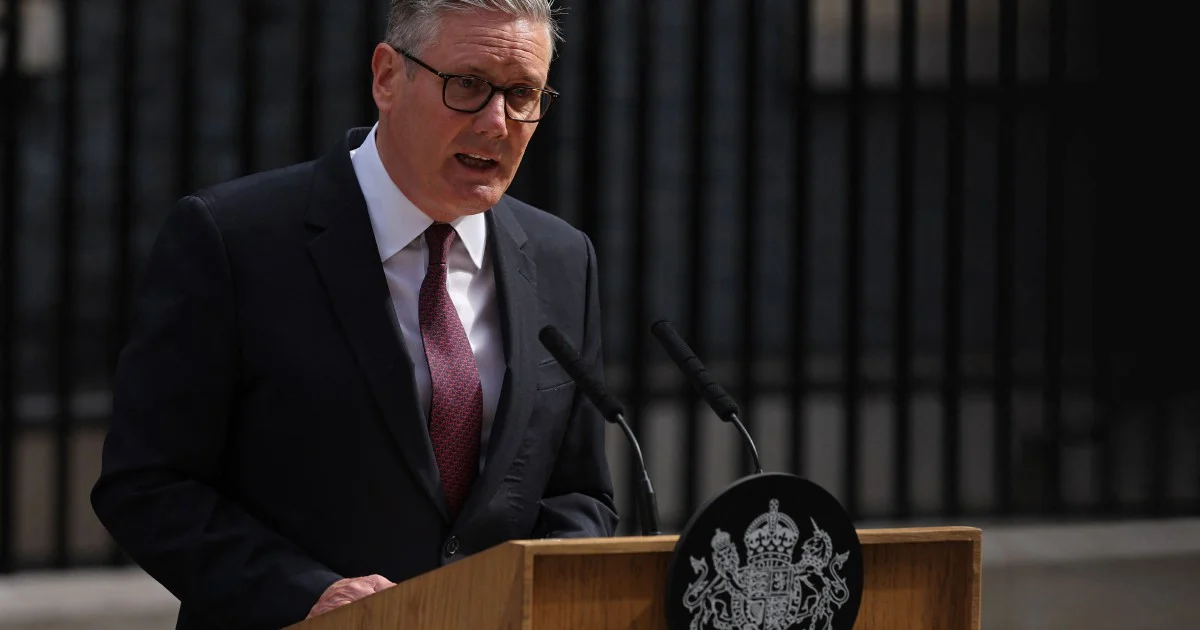
Prime Minister Keir Starmer announced on Monday that he would step down from his role, allowing a successor to assume the premiership once parliament reconvenes in September. The development marks another chapter in the extraordinary political volatility that has defined the British political system over the past decade, with the nation preparing to install its seventh prime minister in just ten years.
The succession mechanism in the British system differs fundamentally from presidential republics. When a prime minister resigns, there is no immediate constitutional crisis or interim leadership period in the manner seen in other democracies. Instead, the governing party—in this case the Labour Party—must move swiftly to elect a new leader who will automatically inherit the premiership. This requirement to appoint a successor before parliament sits again in September creates an urgent timeline for the Labour Party to conduct its internal democratic processes.
Within the Labour Party, the process for electing a new leader is governed by the party's constitution and voting procedures. Party members, affiliated supporters, and labour union members typically participate in leadership elections, voting on candidates who meet the nomination threshold set by the party. This broader membership franchise distinguishes Labour's selection process from some other Conservative Party mechanisms, where parliamentary MPs have historically played a more prominent gating role. The extension of voting rights beyond Westminster ensures that Labour's grassroots supporters have direct input in choosing the next prime minister.
For Malaysian observers, this process illustrates the inherent differences between Westminster parliamentary systems and the federal constitutional arrangements in place in Malaysia. Whereas a Malaysian prime minister's departure might trigger coalition negotiations or could potentially prompt the Yang di-Pertuan Agong to consult various political figures, the British system relies on the sitting government party to manage the transition internally. This creates both efficiency and democratic accountability, though it can also concentrate significant power in the hands of party elites who shape candidate selection in the lead-up to the membership vote.
The compressed September timeline is notable because conducting a full party leadership election, complete with hustings, media scrutiny, and member voting, typically requires several weeks. Senior Labour figures already tipped as potential candidates will need to secure nominations from fellow MPs, a threshold designed to ensure broad party support before candidates proceed to the wider membership ballot. This parliamentary endorsement stage often proves decisive, as candidates who cannot convince their own colleagues of their viability struggle to build momentum among the broader membership.
Historically, Labour's leadership elections have reflected broader party divisions and ideological tensions. The contest to succeed Starmer will likely centre on fundamental questions about the party's direction: how aggressively to pursue progressive policy objectives, whether to distance itself from corporate interests, and how to rebuild trust with working-class voters in post-industrial regions. These themes will resonate across the political spectrum internationally, particularly in democracies grappling with similar challenges around voter polarisation and party realignment.
The rate at which British prime ministers are cycling through has accelerated dramatically since 2014, when David Cameron still held the office. Within a decade, Britain has experienced the tenures of Cameron, Theresa May, Boris Johnson, Liz Truss (whose 49 days in office set a record for brevity), Rishi Sunak, and now Starmer. This instability creates practical challenges for Britain's partners and allies, including Commonwealth nations like Malaysia, Australia, and Canada, as well as European counterparts through NATO and bilateral arrangements. Policy continuity suffers when leadership changes so frequently, and international partners must repeatedly invest effort in building relationships with new British administrations.
Labour's challenge extends beyond simply selecting a new leader; the party must also consider how the transition affects its broader electoral prospects and policy agenda. An incoming prime minister inherits not just the ceremonial title but a specific parliamentary arithmetic, civil service machinery, and international commitments. Starmer's departure will likely prompt significant cabinet reassignments and potentially changes in senior adviser roles, creating further uncertainty about the government's direction on issues ranging from economic policy to foreign relations.
The September parliament return date imposes real constraints on the nomination and voting process. Party officials must establish clear timelines for candidate nominations, member balloting, and results announcement, compressing what might normally be a lengthier deliberative period. This urgency may favour candidates who are already nationally known and have established campaign infrastructure, potentially disadvantaging less-familiar figures who might otherwise gain traction through extended retail politics and regional tours.
For the Labour Party itself, this succession moment represents an opportunity to address internal grievances and chart a more stable course if the new leader can secure genuine buy-in from grassroots members and MPs alike. The party has experienced considerable churn in recent years, and installing a leader with clear party backing and renewed mandate could restore some sense of direction. Conversely, if the election becomes fractious or if the winner inherits a divided party, Britain's political instability may deepen further.
The broader international context matters too. With UK General Elections required by 2029, the government faces policy pressures on the cost of living, public services funding, and climate commitments. A change of premier mid-term risks disrupting legislative priorities and could prompt strategic recalibration of policy direction. Britain's positioning within global affairs, particularly regarding NATO, Indo-Pacific partnerships, and European relations, may also shift depending on who emerges from Labour's leadership contest.
Labour's membership voting system carries inherent strengths and vulnerabilities. Broad participation ensures democratic legitimacy and taps grassroots energy, but it can also produce leaders who appeal strongly to party activists yet lack broader electoral appeal. The new Labour leader will need to balance the demands of a membership electorate with the challenge of governing a diverse nation and maintaining Britain's standing internationally. The September deadline ensures clarity and prevents extended period of caretaker governance, a practical advantage even if the compressed timeline creates stress on party processes.

