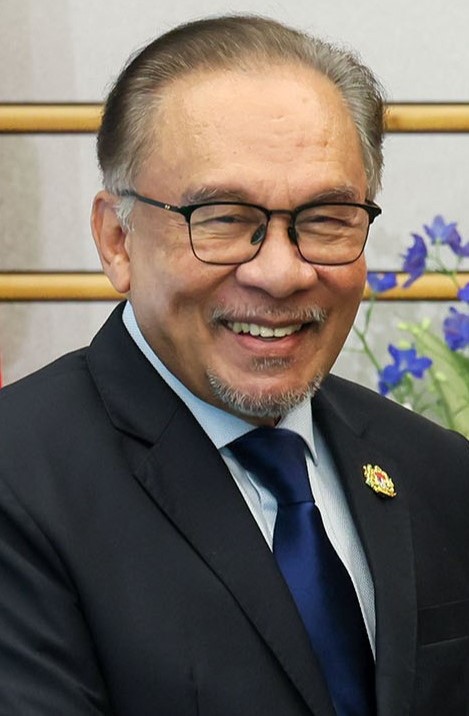
An official with Pertubuhan Ikram Malaysia (Ikram) entered a not guilty plea at Shah Alam Sessions Court to multiple charges alleging systematic misuse of authority for personal benefit. The defendant faces 158 separate charges spanning a five-year period, with the total value of alleged gratification reaching RM98,270,315.20. The high number of individual charges underscores the scale of the investigation into the non-governmental organisation, which has maintained a prominent role in Malaysian civil society.
The case represents a significant development in ongoing scrutiny of governance practices within major Malaysian NGOs. The charges suggest a pattern of repeated misconduct rather than isolated incidents, with the sheer volume indicating what prosecutors argue was systematic exploitation of a position of trust. Each charge carries potential sanctions that could result in substantial penalties should the defendant be convicted on any or all counts.
Pertubuhan Ikram Malaysia has long positioned itself as a civil society organisation engaged in community development and social advocacy work across the country. The organisation's prominence in the Malaysian public sphere makes this legal proceeding a matter of public interest, particularly given the scale of alleged financial impropriety. The investigation that led to these charges presumably involved extensive financial auditing and documentation to support each individual allegation.
The five-year timeframe cited in the charges indicates that the alleged misconduct occurred over an extended period, suggesting either a sustained pattern of behaviour or continued opportunities to engage in the challenged conduct without immediate detection. This extended timeline raises questions about internal oversight mechanisms within Ikram and whether monitoring systems were adequate to identify and prevent such conduct earlier.
The defendant's decision to plead not guilty means the case will proceed to trial, where prosecutors must present evidence substantiating each of the 158 charges before the court. This approach differs from seeking a negotiated resolution and indicates either confidence in the defence case or a principled decision to contest every allegation. The trial process will provide a public airing of the evidence, which could have implications for public confidence in the organisation and similar NGOs.
For Malaysian readers and observers of civil society, this case highlights the importance of robust governance frameworks and financial accountability mechanisms within major organisations. NGOs, while often operating under different regulatory oversight compared to corporate entities, still bear responsibility to their members, donors, and the broader public to maintain transparent and ethical operations. The charges suggest potential failures in internal controls or oversight that allowed the alleged conduct to occur unchecked.
The Sessions Court proceedings will determine whether the evidence supports the allegations against the defendant. The court must be satisfied beyond reasonable doubt on each charge before issuing a conviction. The legal process, while potentially lengthy, represents Malaysia's judicial system addressing accountability concerns and determining whether proper procedures and laws were violated.
This development also carries implications for donor confidence and public perception of Malaysian NGOs more broadly. Organisations in the non-governmental sector often rely on voluntary contributions, membership fees, and support from well-meaning Malaysians. High-profile legal cases involving alleged financial misconduct can create broader reputational challenges for the sector, even for organisations with strong governance practices, as public trust becomes questioned.
The investigation and charges reflect Malaysia's legal authorities' commitment to investigating allegations of abuse of authority and gratification across different sectors and organisational types. Regardless of whether an individual operates within a government agency, corporate entity, or NGO, accountability standards remain applicable. This consistent application of legal scrutiny demonstrates that public interest concerns about financial propriety transcend sectoral boundaries.
For Ikram specifically, the proceedings will occur alongside ongoing operations and activities. The organisation's ability to maintain public confidence and operational effectiveness during the trial period will depend partly on how it responds to the allegations and what steps it takes to reassure stakeholders about its governance and financial management. Many organisations facing such challenges implement enhanced transparency measures and internal reforms to address perceived weaknesses.
The case timeline and court schedule will become clearer as the trial progresses. Depending on the complexity of evidence and number of witnesses, proceedings could extend over several months or longer. Each charge requires individual consideration, meaning the trial judge will need to evaluate substantial documentation and testimony to reach determinations on each count.
Regionally, this case reflects broader conversations across Southeast Asia about civil society governance and financial accountability. As NGOs grow in influence and resources, ensuring they maintain public trust through transparent operations becomes increasingly important for the sector's credibility and long-term sustainability. Malaysia's legal framework provides mechanisms to address such concerns, as this case demonstrates.