A tragic traffic collision in central Kuala Lumpur has claimed the lives of three members of the same family and left another critically injured, prompting authorities to accelerate their investigation into the incident. The fatal crash occurred in the early hours of Monday along Jalan Sultan Ismail when a black immigration enforcement vehicle struck multiple vehicles at a busy intersection. Two individuals involved in the collision are currently in police custody following remand orders, as investigators prepare to forward their findings to the Attorney General's Chambers on Tuesday for consideration of criminal charges.
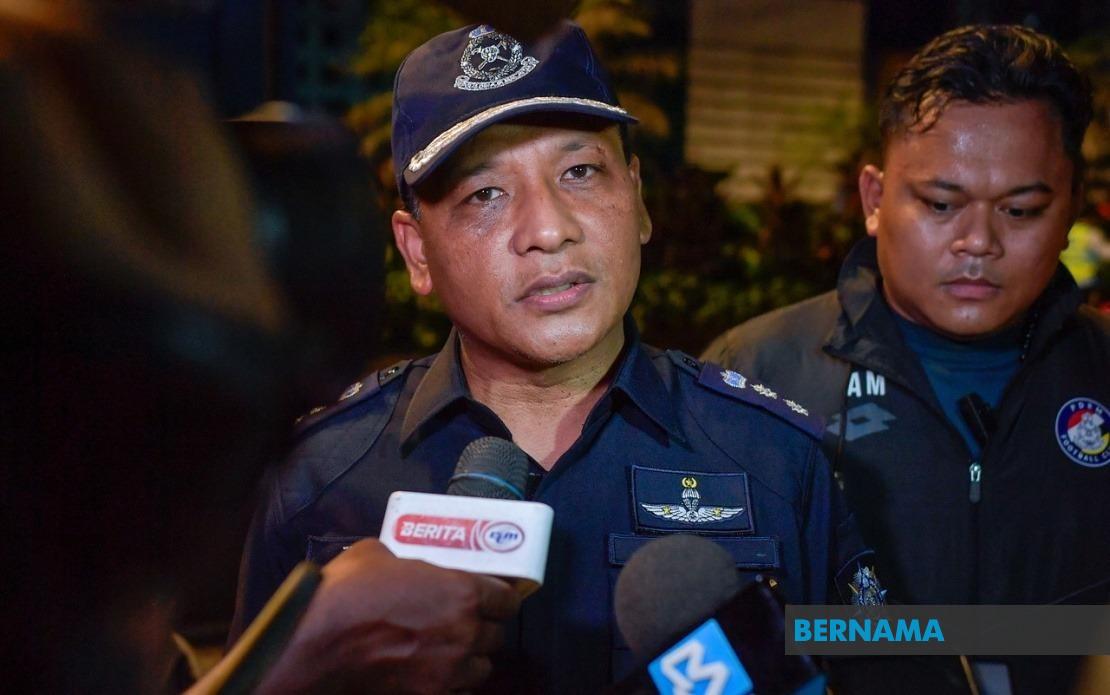
According to Kuala Lumpur Traffic Investigation and Enforcement Department chief ACP Mohd Zamzuri Mohd Isa, the decision to expedite the referral to the AGC followed preliminary discussions with the Kuala Lumpur Prosecution Director. The move signals that authorities have gathered sufficient evidence to determine the appropriate legal course of action. The investigation paper will be presented to the Head of the General Crime and Public Order Division at the Attorney General's Chambers, with both the prosecution director and investigating officer present to discuss potential charges and their legal basis.
The deceased have been identified as Shaik Mohd Firdaus Shaikh Yahya, a 53-year-old family patriarch, along with his two daughters, Siti Nor Sazlin, aged 25, and Siti Darwisyah Auni, only 12 years old. The patriarch's wife, Norhayati Razali, 55, remains hospitalised in the Intensive Care Unit of Kuala Lumpur Hospital, where she is receiving ongoing medical treatment for injuries sustained in the collision. The loss of three family members in a single incident represents a particularly devastating outcome that has drawn significant public attention to road safety and the operations of emergency services.
Investigations indicate that the Immigration Department truck was operating as an enforcement vehicle en route to Chow Kit to conduct an operation targeting illegal immigrants at the time of the collision. The truck, commonly referred to as a "Black Maria" in colloquial terms, was travelling with its beacon and siren activated. However, traffic records and eyewitness accounts suggest that the vehicle proceeded through the junction on Jalan Sultan Ismail while the traffic signal displayed red, a critical factor that authorities are examining closely.
Simultaneously, a white Proton Saga was lawfully proceeding through the same intersection with the traffic light showing green, creating a collision scenario that appears largely unavoidable from the passenger vehicle's perspective. Upon impact, the truck lost directional control, veered sharply off the roadway, and struck the family members who were in the vicinity. The uncontrolled vehicle also made contact with an Inokom Matrix, adding to the overall damage and injury toll from the incident.
Police have invoked Section 41(1) of the Road Transport Act 1987 as the legal framework for their investigation, a provision typically applied to serious traffic violations and negligent driving. Both the driver of the Immigration Department truck and the operator of the Proton Saga have been remanded for questioning, though early indications suggest the primary responsibility for the collision rests with the official vehicle. The remand orders, obtained for a single day, provide police with a defined window to conduct interviews and gather further evidence before suspects must be released or charged.
This incident raises broader questions about the operational protocols governing emergency and enforcement vehicles in Malaysia, particularly regarding their authority to proceed through red traffic signals. While such vehicles are typically granted certain privileges to reach operational sites urgently, the collision highlights potential gaps between legal permission and practical safety implementation. The presence of activated warning lights and sirens does not automatically absolve drivers of responsibility for ensuring that intersections are clear before proceeding, a principle that investigators are apparently considering.
For Malaysian road users and safety advocates, the tragedy underscores the vulnerability of pedestrians and other motorists when enforcement operations commence without full coordination of traffic management. The incident occurred during the early morning hours when traffic volumes are typically lower, yet the consequences proved catastrophic. Road safety experts have previously raised concerns about the balance between operational efficiency for government agencies and the protection of the general public from preventable accidents.
The referral to the Attorney General's Chambers represents a critical juncture in determining whether charges will be filed and at what level of severity. The AGC must assess whether the case involves criminal negligence, rash or negligent act causing death, or other offences under Malaysian criminal law. The decision will likely influence public discourse around government vehicle operations, intersection safety protocols, and whether additional regulations governing emergency vehicle movement are necessary.
As the investigation progresses toward formal charges, the incident will probably prompt reviews of traffic management procedures at high-risk intersections in Kuala Lumpur and other major urban centres. The case also carries implications for how enforcement agencies balance operational urgency with public safety responsibilities. Norhayati Razali's continued recovery in intensive care remains a focal point, as her survival and eventual testimony could provide crucial insights into the collision sequence and the visibility conditions at the moment of impact.

