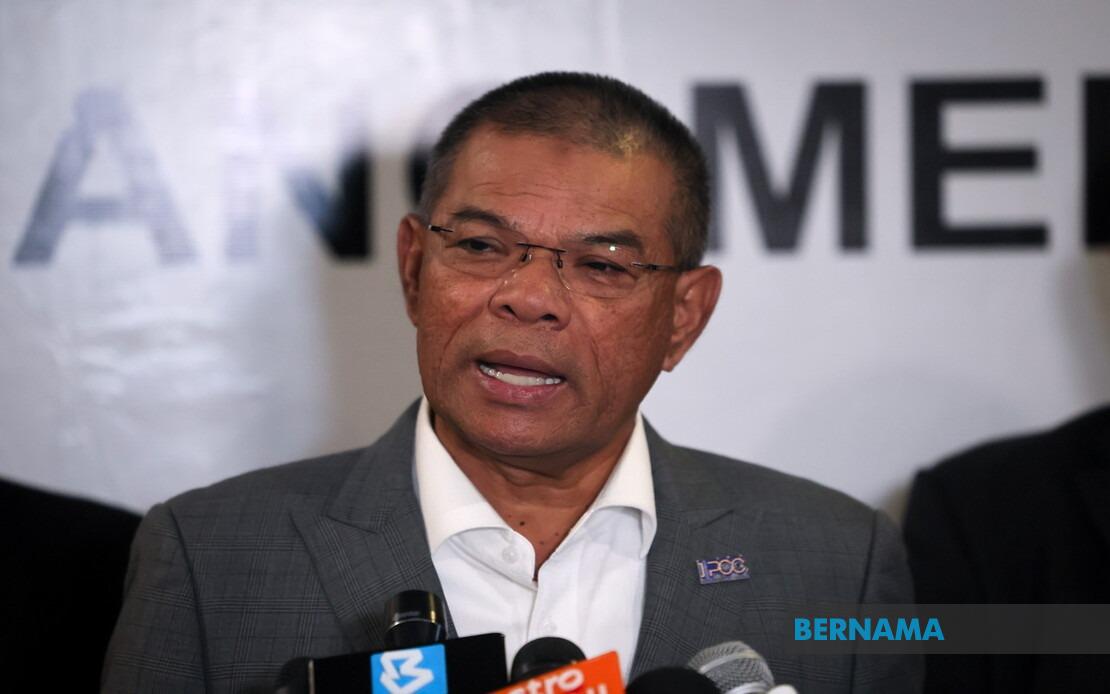
Malaysia's Independent Police Conduct Commission (IPCC) has fielded 1,635 public complaints since commencing operations in 2023 through July 24, 2026, signalling that the new oversight body is fulfilling its mandate as an independent arbiter of police conduct. Home Minister Datuk Seri Saifuddin Nasution Ismail disclosed the figures during a press conference at the Home Ministry's monthly assembly in Putrajaya on July 27, characterising the complaint volume as evidence of growing public confidence in an institution designed to scrutinise law enforcement accountability.
The resolution rate demonstrates substantial progress in tackling allegations of police misconduct. Out of the 1,635 complaints received since inception, 844 cases—representing 76 per cent—have been resolved to closure. This year alone, the IPCC has received 372 complaints as of mid-July, suggesting an acceleration in the public's willingness to report police-related grievances through formal channels rather than pursuing alternative remedies or abandoning complaints altogether.
The most frequently cited grievance concerns the absence of feedback communication. Saifuddin Nasution identified complainant frustration over not receiving updates on reports lodged against police officers as the category generating the highest volume of submissions. This pattern reflects broader concerns about transparency and responsiveness within Malaysia's law enforcement apparatus, where citizens have historically struggled to obtain meaningful information about the disposition of their complaints through official channels.
Understanding how the IPCC operates is crucial to interpreting its complaint processing figures. The commission receives all submissions but categorises them according to the nature of allegations. When complaints contain indications of corruption, the IPCC automatically refers the matter to the Malaysian Anti-Corruption Commission (MACC) rather than investigating independently. This interagency coordination prevents duplication and ensures that corruption-related allegations receive specialist scrutiny from Malaysia's dedicated anti-corruption authority, though it also means certain cases disappear from the IPCC's own investigative pipeline.
Among unresolved complaints, two primary circumstances predominate. Some complainants remain unsatisfied with the outcomes of police investigations into their allegations, while others have yet to receive any response after initially submitting grievances to police departments. These delays and inadequate communication channels perpetuate a cycle of public frustration that undermines confidence in both the police and the complaint mechanism itself. Addressing these procedural bottlenecks represents a significant challenge as the IPCC matures.
The IPCC has opened 22 investigation papers since its inception, including five this year, demonstrating that the institution is progressing beyond merely receiving and categorising complaints to conducting substantive probes. Eleven cases have reached completion, while 11 remain under active investigation. This modest but steady stream of investigations suggests the IPCC is identifying genuine allegations warranting deeper scrutiny, though the relatively small number of initiated investigations compared to total complaints received indicates that most submissions either require referral elsewhere or fail to meet thresholds for formal investigation.
While the absolute number of complaints since 2023 remains comparatively modest against Malaysia's population and police force size, Saifuddin Nasution argued that the complaint volume itself reflects meaningful institutional achievement. A functional independent complaints mechanism that citizens trust enough to utilise represents a qualitative shift in police accountability culture. The minister's framing suggests that the IPCC's value lies partly in its mere existence as a credible alternative channel, which may itself deter police misconduct by establishing visible consequences.
To amplify public awareness and accessibility, the government is distributing IPCC complaint posters through Royal Malaysia Police (PDRM) information corners nationwide. This initiative represents strategic collaboration among stakeholders to normalise the complaints process and inform citizens of available channels. By placing promotional materials within police facilities themselves, the government signals commitment to institutional transparency, though critics might note that complainants could reasonably feel apprehensive about submitting grievances through venues controlled by the very organisation being scrutinised.
Recent law enforcement actions underscore the government's stated zero-tolerance posture toward police misconduct. The arrest of twelve police personnel of various ranks—disclosed by Dang Wangi police chief ACP Sazalee Adam and confirmed by the Home Ministry—on suspicion of extorting RM2 million from a Vanuatu national exemplifies high-profile enforcement against alleged criminality within police ranks. Saifuddin Nasution referenced this development as evidence of institutional self-correction, suggesting the police force itself is willing to pursue disciplinary and criminal action against wayward officers rather than shielding them from accountability.
The implications for Malaysia and Southeast Asia extend beyond administrative efficiency. Functional independent police complaints mechanisms strengthen democratic governance by establishing institutional safeguards against abuse of authority. For a region where police accountability has historically been contested, the IPCC's operational track record—though limited to three years—provides a potential model that other Southeast Asian nations might study or adapt. The challenge ahead involves not merely processing complaints but demonstrating tangible improvements in police conduct and public trust as a result of investigations undertaken.

