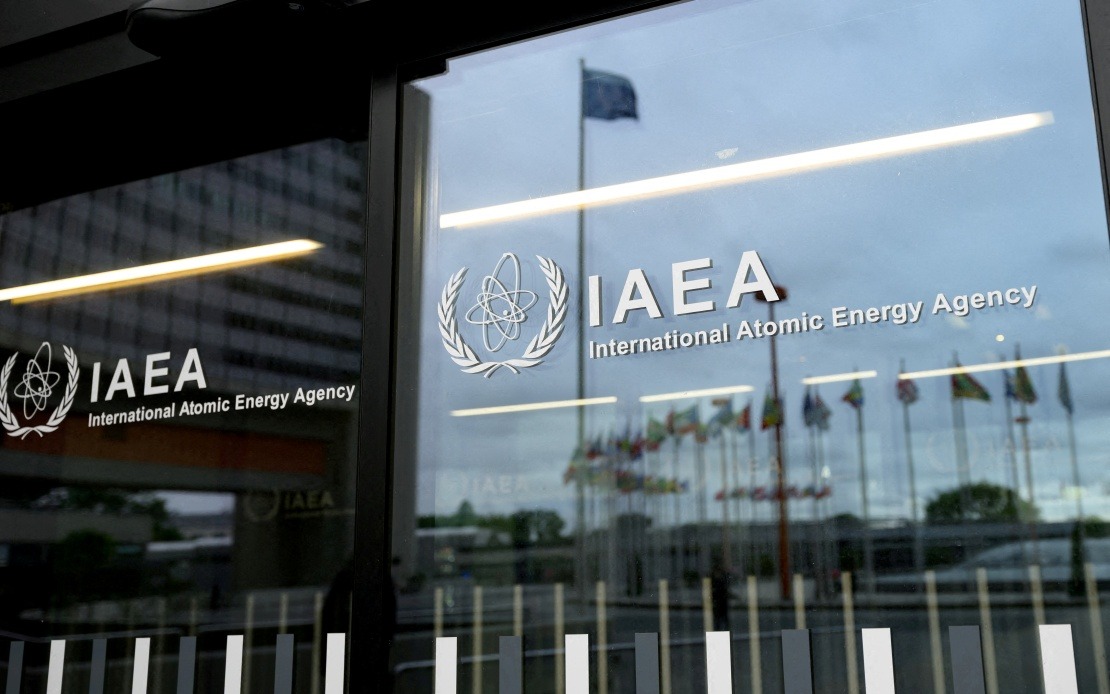
Iran's government is taking a hardline stance on international nuclear inspections, blocking the International Atomic Energy Agency from accessing its atomic facilities until Washington delivers tangible concessions in an ongoing peace negotiation. The position, articulated by Iranian Deputy Foreign Minister Kazem Gharibabadi on Wednesday, represents a significant obstacle to diplomatic progress just days after Iran and the US signed a framework agreement aimed at resolving years of nuclear tension and economic sanctions.
Gharibabadi stated emphatically that Iran will not permit IAEA inspections or materials verification prior to reaching a final comprehensive agreement with the United States. In a public statement via social media, he emphasized that access to Iranian nuclear installations and atomic materials will only be negotiated and settled as part of a broader deal that includes concrete action from Washington to lift all sanctions on Tehran. This declaration directly contradicts Rafael Grossi, the IAEA's director general, who announced on the same day that his organization would begin conducting inspections in Iran based on the newly-signed framework agreement.
The diplomatic friction reflects a deeper mistrust between the parties. Gharibabadi also denied that a scheduled meeting had taken place between Iran's negotiating team and Grossi in Switzerland, despite the IAEA chief's reported request for such discussions. This refusal to meet with Grossi underscore Iran's strategy of compartmentalizing negotiations, keeping nuclear verification matters separate from political discussions with the American administration.
The framework underpinning these negotiations is a memorandum of understanding signed on June 18, which carved out 60 days for intensive talks on Iran's nuclear programme and the removal of economic sanctions. The first round of substantive negotiations occurred in Switzerland over two days, with delegations from both sides exchanging positions on the core sticking points. However, the pace of progress remains unclear, with Iran now raising the bar for any IAEA involvement before a final text is agreed.
Iran's nuclear infrastructure has become a flashpoint for regional conflict. Three major facilities—Fordow, Natanz, and Isfahan—were targeted in military strikes during a 12-day armed clash in June 2025. These same installations experienced bombardment again in February of this year when the United States and Israel launched coordinated attacks on Iranian nuclear and military targets, further raising tensions and complicating any verification regime. The damage inflicted and ongoing security concerns make Iran reluctant to open these facilities to international inspectors without assurances that the broader conflict has been resolved and sanctions lifted.
From a strategic perspective, Iran's insistence on sequencing—demanding sanctions relief and political agreement before inspection access—reflects its historical experience with agreements it views as inequitable. Tehran has long contended that previous nuclear agreements, particularly the 2015 Joint Comprehensive Plan of Action before its collapse, disadvantaged Iran while allowing Western powers to retain leverage. By conditioning IAEA access on final agreement, Iran is attempting to prevent inspections from becoming a separate negotiation that could be weaponized to extract additional concessions.
The timing of this standoff carries implications for Southeast Asia and the broader international order. Malaysia, as a non-aligned nation with longstanding diplomatic relations with Iran, typically advocates for peaceful resolution of nuclear disputes through multilateral frameworks. Should negotiations collapse, renewed military conflict in the Middle East would disrupt regional shipping lanes crucial to Malaysian trade, particularly through the Strait of Hormuz, and could trigger oil price volatility affecting the Malaysian economy.
The IAEA's role in this impasse is delicate. As the UN's nuclear watchdog, the agency must maintain credibility by ensuring proper verification of Iranian compliance with any final agreement. However, insisting on inspections before a deal is finalized plays into Iranian narratives about Western preconditions designed to undermine negotiations. Grossi faces pressure to balance his organization's technical requirements with the political reality that countries rarely open their facilities to invasive inspections until a comprehensive agreement is in place and reciprocal obligations are clearly defined.
International observers have noted that Iran's negotiating posture often hardens when there is domestic political pressure, particularly from hardline factions opposing any deal with Washington. Gharibabadi's public rejection of IAEA access may partly reflect positioning for Iranian domestic audiences skeptical of compromise. By appearing intransigent on sovereignty and inspection matters, Iranian leadership signals to its base that it will not be bullied into surrendering national interests.
The 60-day window for negotiations is relatively compressed, and fundamental disagreements over sequencing and verification procedures have consumed valuable time. Both sides entered talks with optimism following the signing of the memorandum, but the IAEA access dispute now threatens to derail momentum. Unless the United States and Iran can find creative solutions—such as preliminary confidence-building measures that allow limited inspections on specific sites—the talks could stall before reaching substantive discussions on sanctions architecture.
Looking ahead, resolution will likely require significant diplomatic choreography. The IAEA may need to accept a phased approach where initial inspections occur only after a preliminary agreement is reached, with full verification protocols activated after sanctions are substantially lifted. Iran, conversely, may have to compromise by allowing inspections of historical nuclear weapons development to proceed in parallel with talks rather than as a prerequisite. Without such flexibility, the framework agreement risks becoming a symbolic gesture rather than a genuine step toward nuclear stability in the Middle East.

