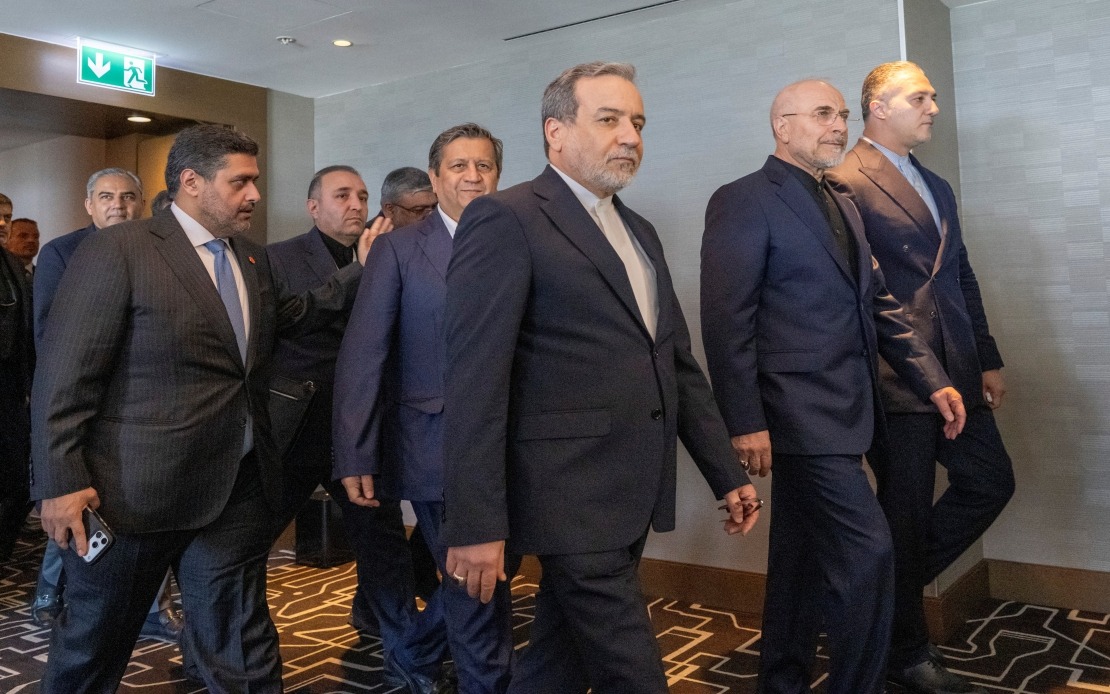
Iran's negotiating team, headed by Parliament Speaker Mohammad Bagher Qalibaf, departed Switzerland on Monday following an exhausting round of direct talks with American officials that stretched across nearly 18 hours. The delegation's exit from the Lake Lucerne Summit in Burgenstock marks a significant moment in diplomatic engagement between Tehran and Washington, signalling that both sides have moved beyond preliminary posturing toward substantive discussions on the core issues dividing them.
The sheer duration of these discussions—spanning most of a full day and night—underscores the intensity with which both nations are pursuing a negotiated settlement. The marathon session format itself carries diplomatic weight, suggesting a willingness among negotiators to remain engaged even as disagreements emerged, rather than simply walking away or staging tactical recesses. For Southeast Asian observers, this sustained engagement matters because any breakthrough in Iran-US relations could reshape regional dynamics, trade patterns, and geopolitical alignments across Asia.
Mediator nations Qatar and Pakistan jointly characterized the negotiating environment as suffused with a "positive and constructive atmosphere," language that diplomats deploy carefully to signal genuine progress without overstating outcomes. Both countries have invested considerable political capital in facilitating these talks, and their shared assessment suggests they observed genuine movement rather than mere theatre. The mediators' willingness to issue a joint statement indicates coordination between key Middle Eastern and South Asian players, reflecting their shared interest in preventing escalation and promoting dialogue.
Most significantly, the two sides reached consensus on establishing several institutional mechanisms intended to sustain momentum toward a comprehensive accord. The agreement to create a high-level committee represents recognition that resolution requires high-stakes political will and regular engagement at senior levels, not merely technical wrangling confined to specialists. Such committees typically signal when key decisions must be elevated for approval or when breakthrough compromises require authorization from capitals.
Parallel to this senior track, negotiators agreed to establish technical working groups tasked with resolving specific, defined issues. These groups function as laboratories where competing proposals can be tested, data can be exchanged, and common ground incrementally identified without the pressure of public-facing negotiations. The formation of such groups reflects learned lessons from previous diplomatic efforts: that progress often requires parallel processes operating at different levels of specificity and technical detail.
The roadmap toward finality—set at 60 days—provides an explicit timeline that converts aspirations into concrete deadlines. Such calendared approaches concentrate minds and discourage indefinite procedural delays. For the broader international community, including Malaysia and other ASEAN members with interests in regional stability, this timeline suggests that either breakthrough or breakdown could occur within two months, making this a particularly consequential phase. A compressed negotiating schedule heightens pressure on both sides to compromise, though it also increases risks of miscalculation or walkout if positions remain too far apart.
The planned continuation of technical discussions later in the same week demonstrates the talks' momentum and reflects determination to sustain engagement without allowing gaps between sessions to cool diplomatic temperature. However, these technical talks represent terrain fraught with complexity, as they will address the outstanding substantive disagreements that prevented earlier breakthroughs—issues likely including sanctions architecture, nuclear limitations, verification mechanisms, and timelines for implementation.
For Malaysian policymakers and analysts, the Iran-US negotiation carries implications extending well beyond the immediate parties. A restored Iran-US relationship could increase Iranian oil exports, potentially affecting global energy markets and prices at Malaysian pumps. It could also reshape Tehran's regional posture, affecting smaller Gulf states that have increasingly relied on American security commitments and deterrence against Iranian influence. Conversely, continued friction or breakdown of talks would likely entrench regional polarization and create pressures on countries seeking balanced relationships across the Middle East.
The designation of Mohammad Bagher Qalibaf as lead negotiator itself merits attention. As Parliament Speaker, Qalibaf represents Iran's legislative branch rather than the Foreign Ministry, signalling Tehran's desire to signal that talks carry full political weight and reflect consensus across Iran's institutional establishment rather than representing merely diplomatic maneuvering susceptible to reversal by other power centers. This structural choice conveys seriousness, though it also creates potential complications if parliamentary or hardline constituencies in Tehran reject any eventual agreement.
The Lake Lucerne location itself carries symbolic significance as neutral ground in Switzerland, a country long trusted by both Western and non-aligned nations as an impartial venue. The mountainous alpine setting provides both literal distance from the Middle Eastern theatre of tensions and metaphorical elevation of discussions above immediate regional conflicts and pressures, allowing negotiators psychological and practical space for creative thinking.
Though substantive outcomes remain uncertain, this negotiating round has established that both Washington and Tehran possess sufficient motivation to maintain engagement despite substantial historical grievances and current strategic competition. The agreement on procedural mechanisms and timelines essentially codifies commitment to persistence, though procedural cooperation does not guarantee substantive agreement on the issues themselves. Southeast Asian nations should monitor these developments closely, recognizing that the arc of Iran-US relations will continue shaping regional stability, investment flows, and the broader question of how rising tensions or reconciliation among major powers affect smaller nations navigating complex regional dynamics.

