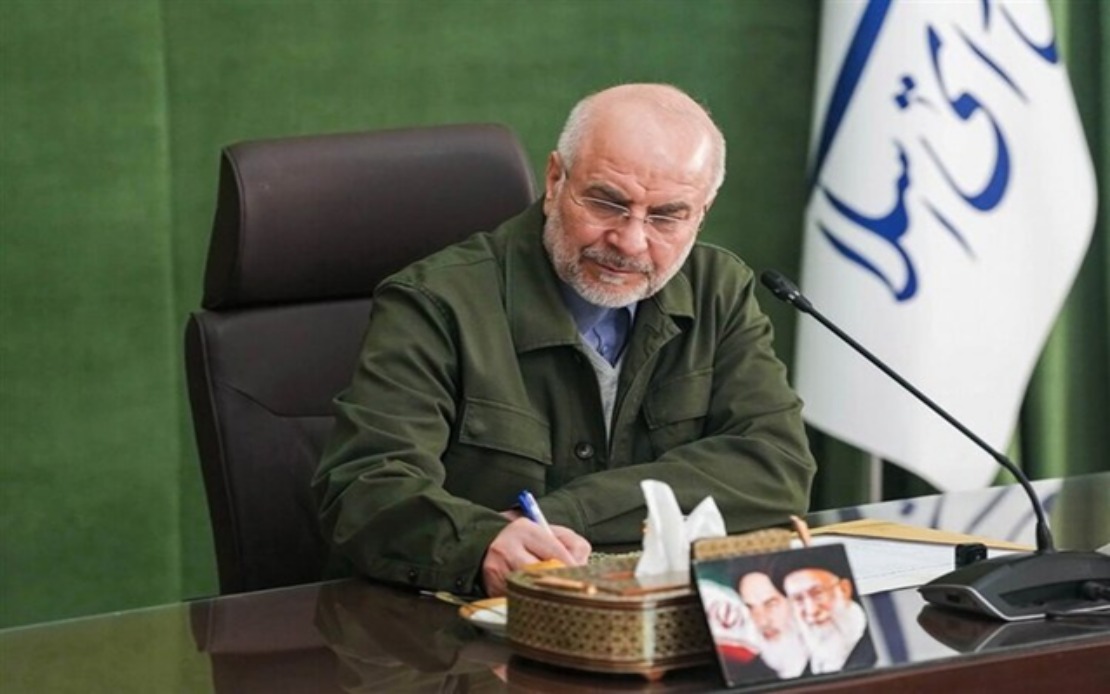
The dispute over how Iran should deploy its released financial assets has become a focal point of tension between Tehran and Washington, even as diplomatic channels remain open following a recently concluded memorandum of understanding. Iranian Parliament Speaker Mohammad Bagher Ghalibaf, who holds significant influence in Iran's negotiating apparatus, publicly contradicted assertions made by American officials regarding the intended use of the unfrozen funds, underscoring the fundamental mistrust that continues to define bilateral relations despite current talks aimed at resolving the nuclear impasse.
In a pointed statement posted on social media platform X, Ghalibaf dismissed the American position with sharp rhetoric, arguing that Washington's claim about agricultural purchases reflected a misunderstanding or deliberate mischaracterisation of Iran's position. His statement carried broader implications, suggesting that decades of geopolitical friction and sanction regimes have created such deep suspicion that even routine financial transactions become contested territory. The Parliament Speaker's intervention signalled that Iran would not accept external constraints on how it deploys capital that rightfully belongs to the Islamic Republic, framing the issue as one of national sovereignty rather than mere commercial preference.
The confrontation appears to have been triggered by statements from the American side during the preceding week. Vice President JD Vance suggested that the recovered Iranian assets would logically flow toward purchases of American agricultural commodities including soybeans, corn, and wheat. President Donald Trump subsequently amplified this position, proposing that the funds be held in a US-controlled escrow mechanism with strict conditions mandating their use exclusively for American food and medical supplies. Such proposals struck Iranian officials as attempts to convert sanctions relief into a subsidy for American exporters rather than genuine financial restoration.
Iranian officials have presented a unified front in response to these assertions. Foreign Ministry Spokesperson Esmaeil Baghaei stated that Iran would exercise complete discretion over its unfrozen resources, guided solely by national interest calculations and without accepting any external constraints on deployment decisions. Furthermore, Baghaei emphasised that purchasing choices would be determined by conventional commercial metrics—price competitiveness and product quality—rather than political considerations or preferences articulated by foreign governments. This position reflects a standard principle in international commerce but carries symbolic weight in the Iran-US context, where sanctions have long prevented normal market-based transactions.
Iran's Central Bank Governor Abdolnaser Hemmati provided additional nuance to the Iranian position, acknowledging that while Tehran holds no obligation to procure American agricultural goods, it would remain receptive to such purchases if pricing and terms proved advantageous compared to alternative suppliers. This statement appeared designed to leave diplomatic room for compromise while maintaining Iran's assertion of unfettered decision-making authority. The governor's measured tone contrasted with the more confrontational rhetoric employed by parliamentary leadership, suggesting a deliberate strategy to combine firmness with tactical flexibility as negotiations proceed.
The underlying disagreement reflects competing visions of what sanctions removal should entail in practical terms. American proposals to condition asset deployment suggest an intention to leverage financial restoration as a tool to benefit domestic constituencies, particularly American agricultural producers who have faced market challenges. Iran's resistance to such conditionality stems from the conviction that unfrozen assets represent compensation for funds previously seized or restricted, not a new transfer requiring recipient obligations. This philosophical divide has deep roots in how each nation conceptualises the relationship between financial restoration and political accommodation.
Geopolitically, the dispute carries implications extending beyond bilateral commerce. Other nations in Southeast Asia and globally that have experienced sanctions regimes watch closely how recovered assets are treated, viewing the Iran situation as a test case for whether sanctions relief represents genuine restoration or continuation of external economic control by alternative means. Malaysian policymakers and regional observers have interest in precedent-setting aspects of this negotiation, given ongoing concerns about unilateral sanctions and their humanitarian consequences.
The most recent round of substantive discussions occurred in Switzerland, where both delegations engaged in negotiations spanning two days. The fact that talks continued despite the public dispute over asset usage suggests that negotiators on both sides recognise the necessity of maintaining dialogue even amid tactical disagreements. The June 18 memorandum of understanding that established the current negotiating framework explicitly allocated 60 days for substantive progress toward a final agreement addressing Iran's nuclear programme and the broader sanctions architecture. This timeline creates urgency for resolving such disputes, as the window for major breakthroughs remains constrained.
The dispute also illuminates how quickly procedural matters can become symbolic battlegrounds in negotiations between deeply mistrustful parties. Questions that might be resolved routinely in standard commercial contexts—how a nation allocates its own capital—become manifestations of larger questions about sovereignty, respect, and the terms under which adversaries can coexist. Each side's public positioning serves domestic audiences as well, with Iranian officials demonstrating to their constituents that recovered assets will not be surrendered to external control, while American officials attempt to demonstrate that sanctions relief mechanisms protect American interests.
Moving forward, resolving this dispute will require both sides to identify formulations that preserve their core positions while enabling practical progress. Iran's insistence on unfettered deployment authority appears non-negotiable, reflecting deeply held principles about sovereignty. Similarly, American interest in ensuring that restored funds do not support hostile activities or circumvent remaining sanctions frameworks reflects legitimate security concerns. Finding language that addresses both considerations without appearing to capitulate represents the central diplomatic challenge as negotiators prepare for subsequent rounds of discussion.

