Iran's Parliament Speaker and chief negotiator Mohammad Bagher Qalibaf arrived in Oman on Monday to participate in discussions on establishing fresh arrangements for administering the strategically vital Strait of Hormuz. Accompanying him was Abbas Araghchi, Iran's top diplomat, signalling the diplomatic importance Tehran places on these consultations. Omani Foreign Minister Badr Albusaidi received the Iranian delegation upon arrival, underscoring the bilateral significance of the visit.
The timing of this mission reflects the intensifying diplomatic momentum in the region. Just the previous day, Qalibaf and Araghchi had completed eighteen hours of intense negotiations with United States representatives in Switzerland, during which Pakistan and Qatar served as mediators. Those talks centred on operationalising a recently concluded memorandum of understanding between Tehran and Washington, indicating that multiple channels of engagement remain active despite historical tensions between the two nations.
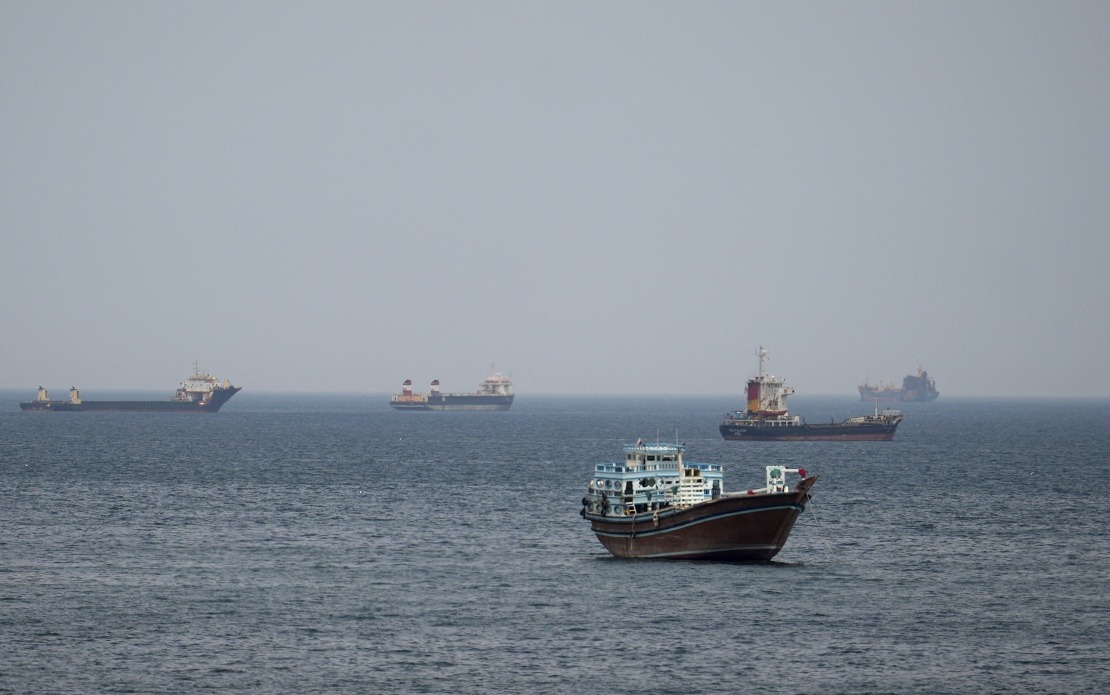
The Strait of Hormuz represents one of the world's most critical chokepoints for international commerce, with roughly one-fifth of global petroleum trade transiting its waters annually. For Malaysia and other Southeast Asian nations heavily reliant on Middle Eastern energy supplies, the stability and safe passage through this waterway remains paramount to economic security. Any disruption to shipping lanes in the Hormuz region could reverberate across regional supply chains and energy markets, making negotiations over its governance a matter of significant concern for countries throughout Asia.
Oman occupies a unique position in regional diplomacy, maintaining pragmatic relationships across the Gulf while eschewing military alliances that characterise other Gulf Cooperation Council members. Muscat's role as a trusted intermediary has made it a natural venue for sensitive negotiations, and this visit continues that tradition. The sultanate's commitment to facilitating dialogue reflects its broader strategy of regional stability through dialogue and confidence-building measures.
According to statements from Oman's official channels, both Tehran and Muscat emphasised the critical importance of leveraging the current diplomatic window to advance peace initiatives and reinforce de-escalation mechanisms. Both capitals stressed their commitment to upholding international law and the principles of neighbourly conduct. This rhetoric suggests that discussions extend beyond mere technical arrangements for shipping oversight to encompass broader questions of regional security architecture and mutual confidence.
The proposed management framework for the Strait of Hormuz would require careful calibration to address the interests of multiple stakeholders. Coastal states, transit nations, and global maritime powers all possess competing concerns about navigation safety, environmental protection, and security protocols. Any agreement would need to reconcile Iranian sovereignty interests with the international community's requirement for unimpeded passage, a delicate balance that requires considerable diplomatic finesse.
Oman also indicated plans for Qalibaf to meet with Sultan Haitham bin Tariq during this visit, indicating the discussions would encompass not merely the technical dimensions of Hormuz management but broader bilateral cooperation and regional coordination strategies. Such high-level engagement signals that Muscat views these consultations as foundational to longer-term partnership frameworks rather than isolated negotiations on a single issue.
The convergence of diplomatic activities involving Pakistan, Qatar, Oman, and other regional players demonstrates how Gulf geopolitics has evolved. Rather than rigid alignments and confrontational posturing, contemporary regional diplomacy increasingly relies on overlapping networks of mediation and dialogue. This shift toward multilateral engagement, though often incremental and fragile, offers pathways toward incremental confidence-building that might eventually stabilise what has historically been a tension-prone region.
For Southeast Asian observers, the outcome of these discussions merits close attention. The stability of Hormuz directly impacts energy costs, shipping insurance premiums, and the overall security environment affecting regional trade. Malaysia, as a major trading nation with significant energy imports, has a vested interest in seeing these negotiations succeed. The region's economic prosperity depends substantially on maintaining predictable maritime conditions and avoiding the kind of disruptions that escalating tensions in the Persian Gulf could trigger.
The diplomatic momentum evident in these exchanges suggests that despite occasional setbacks and rhetorical tensions, serious actors across the region recognise mutual interests in avoiding escalation. Whether the current engagement produces substantive agreements on Hormuz governance remains uncertain, but the very fact that negotiations continue at the highest levels indicates that diplomatic channels, however strained at times, remain open and functional. This persistence in dialogue, however incremental the progress, offers regional stability a firmer foundation than purely confrontational alternatives.

