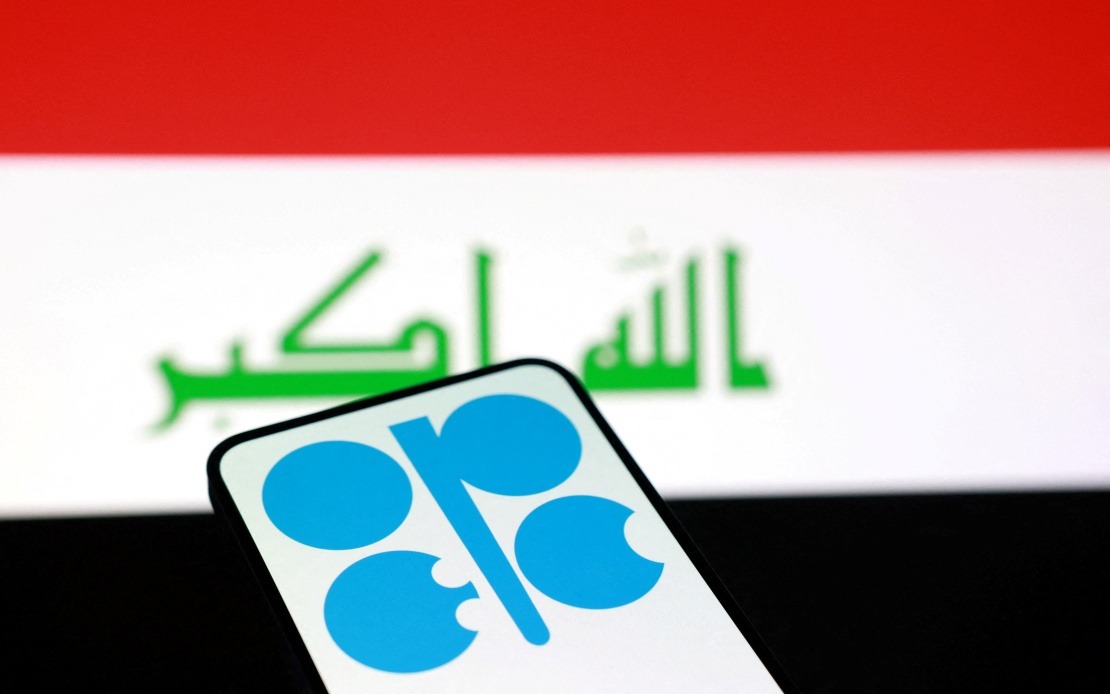
Iraq's Oil Ministry moved swiftly to quash speculation about a potential exit from the Organisation of the Petroleum Exporting Countries, issuing a statement on Thursday to clarify that neither Baghdad nor its political leadership has entertained withdrawal from the cartel. The clarification came after Bloomberg reported that Iraq might reconsider its membership if production quotas were not increased, raising questions about the stability of OPEC's membership at a critical juncture in the global energy landscape.
The ministry's official position distinguishes between what it characterised as misrepresented remarks and the actual objectives of the Iraqi government. According to the statement, no member of Iraq's prime minister's office nor any government body has broached the concept of leaving OPEC, suggesting that recent reports may have conflated internal discussions about production capacity with more existential questions about cartel membership. This clarification is significant for Malaysia and the broader Southeast Asian region, which depends on stable global oil markets and predictable OPEC decision-making.
Instead of contemplating an exit, Iraq has consistently framed its position around a technical reassessment of production ceilings that would better reflect the sustainable output capacities of individual member states. The ministry emphasised that this approach takes into account Iraq's distinctive circumstances, including decades of geopolitical instability, sanctions regimes, and infrastructure damage from military conflicts and terrorist attacks on oil installations. By positioning the quota dispute within a framework of technical recalibration rather than confrontational withdrawal threats, Baghdad signals a preference for negotiation within established OPEC mechanisms.
Oil Ministry spokesman Salim Al-Rikabi had previously stated that Iraq harbours no intention of departing OPEC and remains committed to collaborative work within the cartel's established frameworks and decision-making structures. However, this commitment comes with an important caveat: Iraq intends to proceed with production increases aligned with its technical capabilities and national economic requirements, and expects OPEC to raise its production ceiling accordingly. This dual messaging reflects the delicate balance Baghdad must maintain between honouring its OPEC commitments and pursuing the oil revenues necessary for post-conflict reconstruction and economic development.
The trajectory toward resolution appears to hinge on a broader institutional process already underway within OPEC and its allied producers, including Russia and other non-member nations in the OPEC+ framework. Member nations have collectively launched a comprehensive reassessment of maximum sustainable production capacity, coordinated through engagement with an independent international consulting firm and with Iraq's active participation in the technical deliberations. This methodical approach offers a pathway for Iraq's concerns to be addressed through established procedures rather than confrontational posturing.
Crucially, OPEC and its partners have commenced a gradual restoration of production levels that were voluntarily reduced during periods of market weakness, with full normalisation of cuts scheduled for the coming months. This phased approach is expected to have direct benefits for Iraq's production ceiling, as the overall expansion of OPEC output would create space for individual members to increase their allocations. For Malaysian policymakers and energy sector participants, this development suggests that OPEC is working toward supply decisions that balance member interests with global market stability.
The ministry has made clear that any decisions regarding production ceilings or capacity-based quotas will be channelled through technical mechanisms and consensus-building processes rather than unilateral action or ultimatums. This commitment to procedural orthodoxy underscores Iraq's desire to resolve the issue within OPEC's institutional framework, avoiding the kind of divisive confrontations that have weakened the cartel in past episodes. Such restraint is particularly notable given Iraq's historical leverage as a major producer and the symbolic weight of Baghdad's participation in OPEC's decision-making.
Acknowledging Iraq's "special situation" has become a recurring theme in OPEC discussions, with member states reportedly demonstrating heightened sensitivity to the cumulative impact of more than four decades of warfare, international sanctions, and infrastructure destruction that has constrained Iraqi production. The ministry argues that these exceptional circumstances merit consideration when establishing output targets, allowing Iraq to progressively recover its historical position as OPEC's second-largest producer. This framing appeals to concepts of equity and historical restoration within the cartel rather than narrow self-interest.
The technical review commissioned by OPEC and allied producers is expected to yield findings that will inform output allocation decisions through 2027, a timeframe that coincides with Iraq's anticipated reconstruction and oil sector modernisation efforts. If the reassessment credits Iraq with higher sustainable production capacity based on infrastructure improvements and security gains, it could provide the basis for quota increases without requiring contentious renegotiations of OPEC's fundamental operating principles. This mechanism offers a face-saving resolution for all parties involved.
For regional economies like Malaysia's, which maintain diverse energy portfolios but remain attuned to global petroleum price movements and supply dynamics, Iraq's engagement within OPEC+ remains strategically significant. A stable and committed Iraqi presence in the cartel supports predictable supply management and reduces the risk of sudden market disruptions. Conversely, any escalation toward withdrawal threats or actual membership reconsideration could introduce unpredictability into global markets and complicate OPEC's capacity to coordinate production policies effectively.
The ministry's emphasis on security, economic recovery, and infrastructure rehabilitation as context for quota reassessment reflects Iraq's broader development priorities beyond energy production. Oil revenues are essential for rebuilding war-damaged infrastructure, stabilising government finances, and generating the foreign exchange necessary for economic reconstruction. By reframing the quota discussion around technical capacity and exceptional circumstances rather than confrontation, Baghdad positions itself as a constructive OPEC member seeking equitable treatment rather than a disruptive actor threatening to upend the cartel.
Moving forward, the success of OPEC's capacity reassessment process will be central to resolving Iraqi concerns and maintaining cartel cohesion. If the independent consulting firm's findings substantially validate Iraq's claims about sustainable production capacity, the technical consensus approach could provide the legitimacy needed for quota adjustments without reopening broader debates about fairness or historical entitlements within OPEC. This outcome would benefit both Iraq and the broader international energy market by providing clarity and stability.

