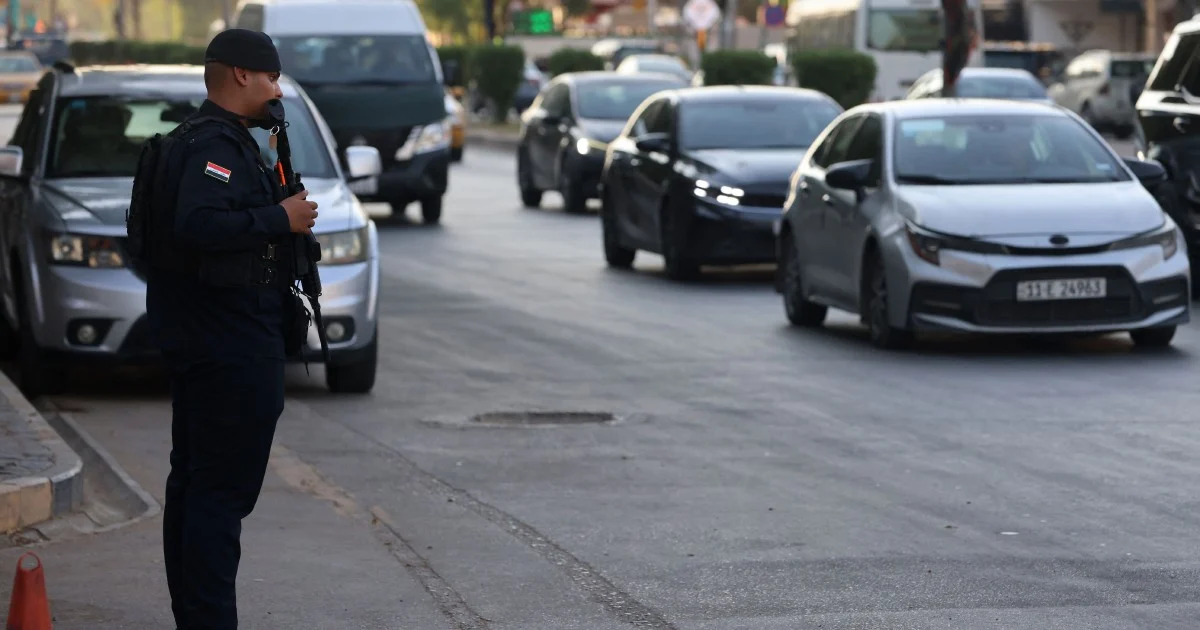
Iraq has intensified its crackdown on corruption by simultaneously detaining 47 public officials, among them sitting members of parliament, according to announcements from state media sources on Sunday. The coordinated operation represents one of the more aggressive enforcement actions undertaken by Baghdad's authorities in recent months, signalling renewed determination to address the endemic graft that has plagued Iraqi governance for decades.
The inclusion of parliamentarians in this sweep carries particular significance, as legislative bodies are often considered bastions of political immunity where corruption flourishes unchecked. By moving against sitting lawmakers, Iraqi officials demonstrate a willingness to pursue accountability at levels of government typically shielded from prosecution. This approach challenges the traditional power structures that have historically protected connected individuals from legal consequences.
Corruption has remained one of the most destabilising forces within Iraq's institutional framework since the fall of Saddam Hussein's regime in 2003. The absence of strong anti-corruption mechanisms, coupled with competing political factions vying for influence and resources, created conditions where officials could systematically loot state coffers with minimal fear of repercussion. Transparency International's corruption indices have consistently ranked Iraq among the worst performers globally, undermining public trust in institutions and diverting resources urgently needed for reconstruction and service delivery.
The timing of this enforcement action suggests Baghdad may be responding to mounting public pressure and international scrutiny regarding governance standards. Anti-corruption drives often emerge following high-profile scandals or when political leadership shifts create windows for accountability measures that previously faced obstruction. Such campaigns serve dual purposes: they can genuinely advance anti-graft efforts while simultaneously allowing newly empowered political coalitions to neutralise rivals through selective prosecution.
The operational mechanics of the arrests, conducted simultaneously across multiple locations, indicate sophisticated coordination among law enforcement and judicial authorities. This level of planning typically requires cooperation between security forces, investigative units, and prosecutors—institutional cooperation that has historically been fragmented in Iraq due to competing loyalties and sectarian divisions. Successful execution of such operations demonstrates improving capacity within Iraqi security apparatus, though questions remain about impartiality and whether enforcement targets are determined by genuine evidence or factional interests.
For Malaysian observers, Iraq's struggle with institutional corruption offers instructive parallels regarding the challenges facing developing nations with complex political systems. Like Iraq, Malaysia has confronted systemic graft rooted in patronage networks and political-business entanglements. However, Malaysia's experience demonstrates that sustained anti-corruption progress requires not merely headline-grabbing arrests but strengthened institutional independence, transparent procurement processes, and genuine consequences including asset recovery and imprisonment.
The broader regional context suggests Middle Eastern governments are increasingly forced to address corruption as a core state-legitimacy issue. Economic pressures, youth unemployment, and diminished resources for public services have heightened citizen demands for accountability. When governments fail to demonstrate concrete action against high-level officials, public cynicism deepens and grievances become recruitment tools for extremist organisations that exploit state failure narratives.
Persistently, questions emerge regarding whether arrested officials will face genuine prosecution or whether charges might be quietly dropped following political negotiations. Iraq's judicial system, while improving, remains vulnerable to political interference and sectarian consideration. International observers and civil society organisations will scrutinise case outcomes to assess whether this sweep represents authentic institutional reform or tactical political manoeuvring.
The arresting of parliamentarians specifically addresses a systemic vulnerability within Iraqi governance: legislative protection of wrongdoers. Iraqi law permits parliamentary immunity under certain circumstances, creating an escape hatch for accused legislators. If authorities can successfully prosecute sitting lawmakers—or if parliament votes to lift immunity—this would represent meaningful institutional change. Conversely, if these individuals are released following closed negotiations, faith in anti-corruption efforts will further erode.
Sustained progress against corruption requires complementary reforms beyond individual prosecutions. Iraq needs independent financial auditing mechanisms, merit-based civil service recruitment, protected whistleblower channels, and genuine asset recovery programmes. Without these structural improvements, anti-corruption campaigns risk becoming cyclical political theatre rather than systematic institutional strengthening.
The success of this initiative will ultimately be measured not by arrest numbers but by conviction rates, prison sentences served, and assets recovered. Regional observers and international partners will be watching whether Baghdad follows through with rigorous prosecution or permits political settlement that undermines accountability. For Iraq's fragile stability and institutional legitimacy, the stakes of genuine anti-corruption commitment could hardly be higher.

