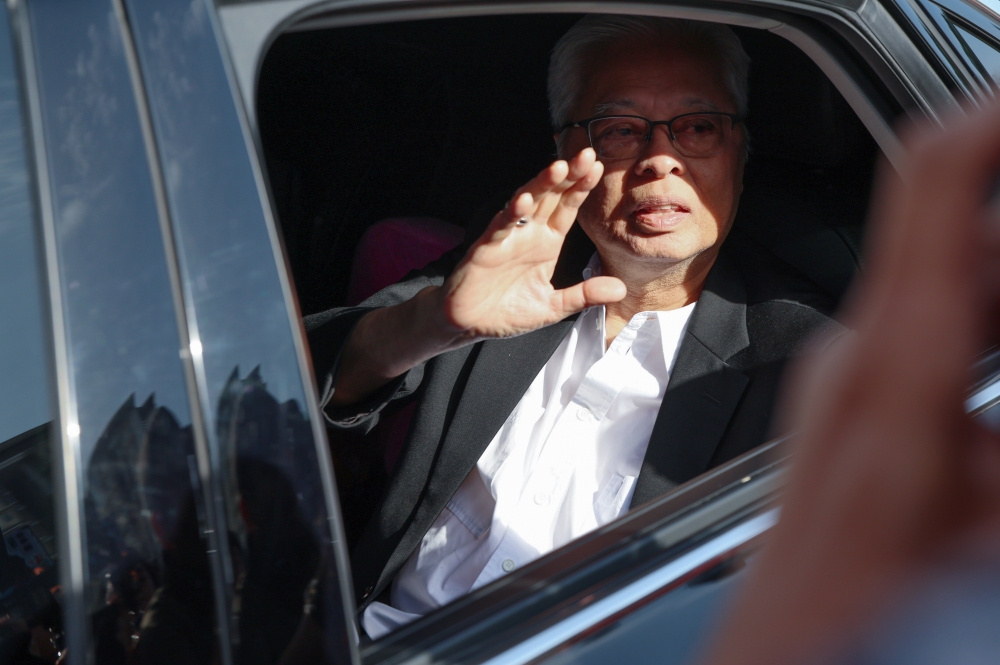
Former Prime Minister Datuk Seri Ismail Sabri Yaakob will stand before the Kuala Lumpur Sessions Court to face charges in what represents another milestone in Malaysia's continuing campaign against high-level political graft. The development underscores the persistent legal accountability mechanisms being applied to members of the country's political elite, regardless of their previous tenure in office.
The charging of a former premier carries substantial weight within Malaysia's political landscape, signalling that no office, regardless of its former occupant's status, shields individuals from prosecution. This case contributes to an evolving narrative about governance and accountability that has become increasingly prominent since the events of 2020 and the subsequent reshuffling of Malaysia's political establishment. The proceedings will be closely monitored by legal observers, governance advocates, and the public, as they demonstrate whether institutional checks operate effectively at the highest levels.
Ismail Sabri's tenure as Prime Minister lasted from August 2021 to August 2022, a relatively brief period marked by navigating a complex political environment and managing the economic aftermath of the pandemic. His subsequent legal entanglement reflects challenges that have extended well beyond his office, affecting multiple figures from administrations both recent and historical. The case underscores how investigative bodies continue pursuing matters that may have roots in earlier periods or activities conducted while individuals held ministerial positions.
The Malaysian Anti-Corruption Commission (MACC) and other enforcement agencies have maintained their investigative momentum in recent years, pursuing cases involving public figures across party lines. This consistency in enforcement, regardless of political affiliation, has been cited by transparency advocates as evidence that institutional independence can function within Malaysia's system, though critics point to selective prosecution patterns. The court appearance will provide further data on how the judiciary handles cases involving former heads of government—a category that has seen increased legal action globally.
For Malaysian readers and the broader Southeast Asian region, the case illustrates how patterns of accountability are establishing themselves within institutional frameworks. Countries throughout the region have grappled with similar challenges of enforcing standards equally across political hierarchies, with outcomes varying significantly. Malaysia's approach, demonstrated through cases like this one, suggests a willingness to pursue matters involving elite figures, though questions persist regarding comprehensiveness and consistency.
The implications for Malaysia's political system extend beyond the individual case. Such prosecutions influence perceptions of institutional credibility and may affect public confidence in governance structures. They also signal to current and future political actors that previous high office does not provide permanent protection from legal consequences, potentially shaping behaviour and decision-making among the political class. However, the timing, selection, and progression of such cases remain subjects of political discussion and analysis.
International observers have monitored Malaysia's anti-corruption efforts as indicators of democratic health and institutional strength within Southeast Asia. High-profile charges against former leaders provide evidence of institutional capacity to investigate and prosecute, though also invite scrutiny regarding whether enforcement remains impartial and comprehensive. The court proceedings will add another data point to assessments of Malaysia's governance trajectory and commitment to accountability standards.
The Sessions Court hearing represents an important procedural moment where the prosecution's evidence and legal framework will be presented formally, and the accused will have opportunity to respond. The outcome and any subsequent appeals will influence interpretation of how Malaysia's legal system handles cases involving former premiers and other senior figures. This case also intersects with broader Malaysian discourse surrounding political stability, institutional trust, and whether governance improvements implemented after 2018 have taken root.
For the political establishment, the proceedings serve as a reminder that tenure in high office involves potential future legal exposure. Multiple former ministers and officials currently face various charges, indicating that investigations into governance and conduct have become normalized rather than exceptional. This environment shapes how politicians approach decision-making and may influence the attractiveness of public service roles, with potential long-term implications for political recruitment and the quality of governance.

