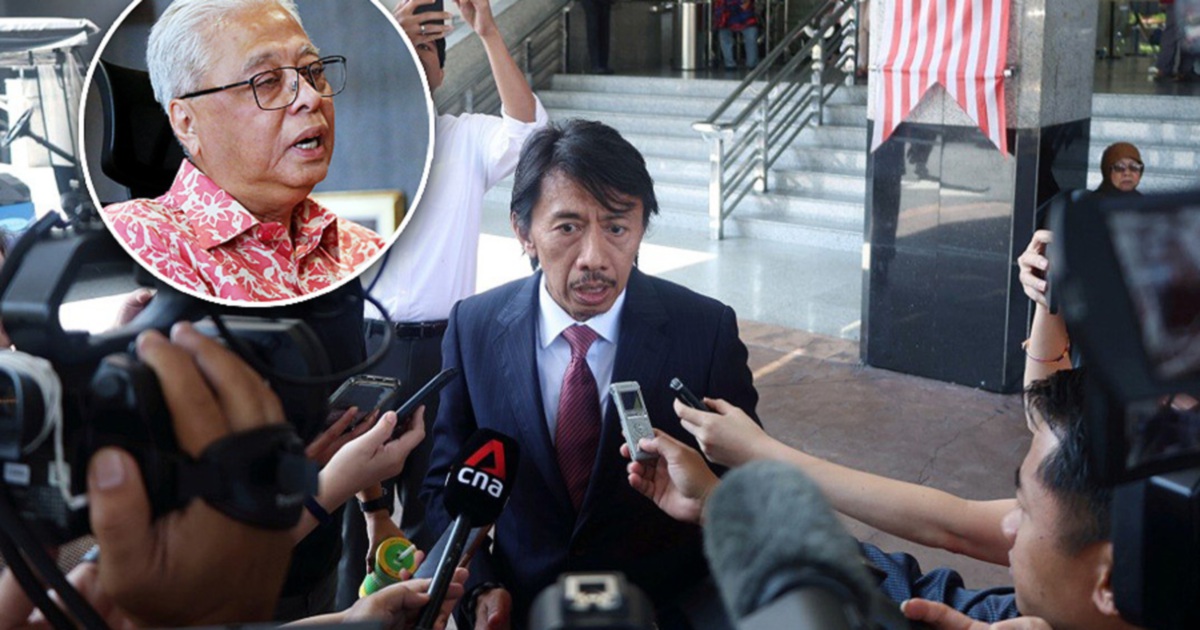
Former prime minister Datuk Seri Ismail Sabri Yaakob has signalled his unwavering commitment to defending himself against charges brought by the Malaysian Anti-Corruption Commission, even as he navigates recent health setbacks that have punctuated his ongoing legal battle. The 65-year-old politician faces proceedings under the MACC Act scheduled for later this month, marking another chapter in a saga that has dominated Malaysian political discourse and raised questions about institutional accountability at the highest levels of government.
Ismail Sabri's determination to proceed with his defence despite health challenges underscores the personal toll that high-profile corruption investigations can exact on public figures. His continued insistence on his innocence reflects a wider pattern among former government leaders facing MACC scrutiny, who have generally maintained their positions rather than accept early settlements or plea arrangements. This steadfastness carries significant implications for how the anti-corruption body's cases will develop and how courts will adjudicate complex allegations involving senior political figures.
The decision to press forward with court dates rather than seek postponements demonstrates Ismail Sabri's calculation that delay might further damage his political standing and public reputation. In the Malaysian context, where perceptions of guilt can crystallise rapidly in media coverage and public opinion, prolonging legal proceedings can be as damaging as the charges themselves. His lawyers appear to have advised that moving through the judicial process efficiently offers the best pathway to vindication, despite the personal strain involved.
The MACC's investigations into former prime ministers and their associates represent a significant evolution in institutional independence over the past decade. Where previous administrations were largely insulated from such scrutiny, contemporary Malaysia has witnessed multiple cases involving senior politicians and officials. This shift reflects both genuine institutional reform and the politically charged nature of post-2018 governance, where MACC decisions remain subject to partisan interpretation and debate about their timing and selectivity.
For Malaysian observers and regional onlookers, the Ismail Sabri case serves as a barometer of how Malaysia's legal system handles the most sensitive cases involving former heads of government. Unlike neighbouring countries where such matters are sometimes handled through backroom negotiations or political settlements, Malaysia's approach—however imperfect—maintains a veneer of institutional process and public accountability. The court proceedings will be closely watched for procedural fairness and evidentiary standards.
Ismail Sabri's health issues, while not disclosed in detail, have become part of the narrative surrounding his legal battle. Public figures facing serious charges often experience genuine health complications brought on by stress and the demands of legal preparation. His willingness to appear in court despite such challenges may resonate with sympathetic observers, though it could equally be interpreted as political theatre designed to garner public sympathy. Either way, his lawyers will need to carefully manage the timing of any future medical disclosures to ensure they do not appear to be used as delaying tactics.
The charges themselves remain at the centre of political debate in Malaysia, with different constituencies interpreting them through competing frameworks. Government supporters view them as necessary accountability for alleged misconduct, while Ismail Sabri's supporters frequently characterise them as politically motivated persecution. These competing narratives reflect deeper divisions within Malaysia's political establishment about transitions of power and whether successor administrations should pursue their predecessors through legal mechanisms.
From a Southeast Asian perspective, Malaysia's handling of such cases matters because it affects investor confidence, international perceptions of institutional stability, and regional precedents for how anti-corruption agencies operate. Countries throughout the region are watching how thoroughly and fairly Malaysia's courts adjudicate these matters. A process seen as fundamentally politicised could damage Malaysia's reputation for institutional integrity, while a process seen as too lenient could undermine faith in the MACC's independence.
The month ahead will prove crucial in determining the trajectory of Ismail Sabri's legal defence. Court proceedings will establish procedural frameworks, begin the evidentiary phase, and set timelines for this potentially lengthy litigation. His resolve to engage fully rather than seek delays or settlements suggests his legal team believes they have substantial grounds for contesting the charges or that the political and personal costs of appearing obstructive would outweigh any tactical advantages gained through extended postponements.
Looking forward, the outcome of this case will have ramifications extending well beyond Ismail Sabri himself. It will influence how other officials facing MACC investigations respond, shape public and political discourse around institutional independence, and contribute to Malaysia's evolving jurisprudence on corruption allegations involving senior government figures. Whether this represents genuine institutional accountability or politically motivated prosecution will remain contested, but the process itself demonstrates that in contemporary Malaysia, even former prime ministers cannot assume immunity from legal scrutiny.

