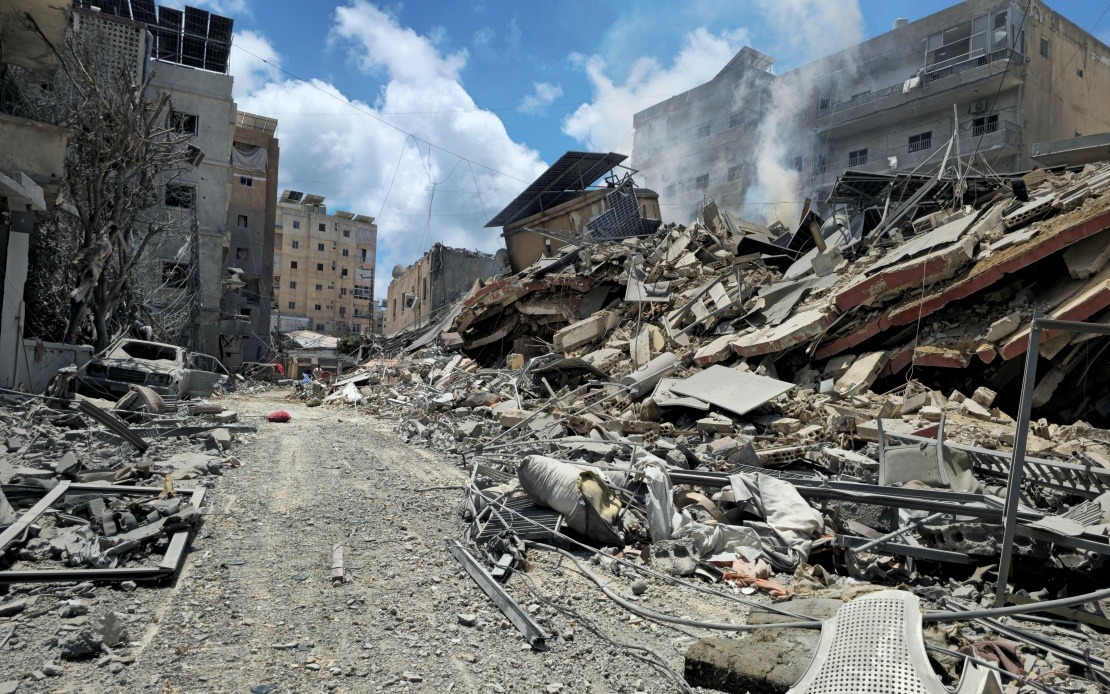
Japan has announced a substantial humanitarian relief package worth US$15 million to address the escalating humanitarian emergencies affecting multiple nations across West Asia. The decision, unveiled by Foreign Minister Toshimitsu Motegi at a Friday press conference in Tokyo, reflects Japan's commitment to alleviating suffering in one of the world's most volatile regions where millions face acute shortages of food, medicine, and essential services.
The distribution of this emergency assistance reveals Japan's prioritization of the most severely affected areas. Approximately US$10 million will be directed towards Iran, which continues to grapple with the consequences of prolonged conflict and international sanctions that have crippled its economy and healthcare infrastructure. A further US$4 million has been allocated to Lebanon, a nation struggling with multiple overlapping crises including economic collapse, political instability, and refugee pressures. The remaining US$1 million will support Palestinian populations in the West Bank, where humanitarian conditions have deteriorated markedly amid ongoing tensions and restrictions on movement and commerce.
Delivery of these funds will occur through established international organisations, a mechanism that ensures resources reach vulnerable populations despite the complex political dynamics and security challenges present in each location. By channeling aid through multilateral institutions rather than bilateral arrangements, Japan can maintain diplomatic flexibility while ensuring that assistance reaches those most in need. This approach also provides transparency and coordination with other donor nations, maximising the impact of limited humanitarian resources.
The specific nature of the assistance—comprising food provisions, medical supplies, and broader humanitarian aid—addresses the most critical needs facing civilian populations. In Iran, years of economic pressure have created severe shortages of medicines and nutritional products, particularly affecting children and the elderly. Lebanon's healthcare system has effectively collapsed, with hospitals unable to procure basic medications or maintain functioning equipment. Palestinian communities face restricted access to goods and services, with supply chains frequently disrupted by security operations and administrative barriers.
Foreign Minister Motegi's statement emphasised that maintaining peace and stability throughout the Middle East remains a matter of strategic importance to Japan, whose economy is heavily dependent on Middle Eastern energy resources and stable maritime trade routes through the region. Japan's willingness to provide humanitarian assistance during periods of heightened tension demonstrates its commitment to humanitarian principles while simultaneously pursuing its broader geopolitical interests in promoting regional stability. The minister acknowledged that the region continues confronting daunting humanitarian challenges that demand sustained international attention and resources.
Japan's approach reflects a carefully calibrated strategy of engagement in Middle Eastern affairs. Rather than taking overtly political positions on regional conflicts, Tokyo emphasises its humanitarian role, working collaboratively with relevant governments and multilateral organisations to improve conditions for affected populations. This measured diplomacy allows Japan to maintain relationships across the region while demonstrating moral leadership on human rights and humanitarian concerns.
The timing of this announcement comes as global attention remains focused on the Middle East's interconnected crises. Iran faces compounding pressures from sanctions, regional tensions, and internal economic difficulties that have degraded public services and increased poverty rates substantially. Lebanon's implosion has created one of the world's worst economic collapses since the early 2000s, with the currency having lost over 90 percent of its value against the dollar. Palestinian territories continue experiencing restrictions on resources and movement, generating acute humanitarian needs among a population already displaced or living under occupation.
For Southeast Asian observers and policymakers, Japan's humanitarian initiative offers important lessons about balancing geopolitical interests with humanitarian obligations. As middle powers themselves, nations across the region frequently face similar dilemmas when responding to humanitarian crises in strategically important areas. Japan's emphasis on working through international organisations provides a model for how countries can contribute meaningfully to alleviating suffering while maintaining broader diplomatic objectives.
The commitment also underscores Japan's active engagement in global affairs beyond its traditional focus on East Asia and the Indo-Pacific region. As a major developed economy and permanent contributor to international humanitarian efforts, Japan recognises that instability in West Asia carries implications for global economic and security architecture. By investing in humanitarian relief alongside diplomatic engagement, Japan seeks to address root causes of instability while demonstrating that its concerns extend beyond narrow regional calculations.
Moving forward, Foreign Minister Motegi indicated that Japan intends to deepen its coordination with international partners in addressing Middle Eastern humanitarian challenges. This sustained commitment suggests that current assistance represents only the initial phase of a broader Japanese engagement strategy focused on stabilising the region through targeted humanitarian interventions. Continued Japanese involvement in financing international relief operations will likely remain evident as conditions across Iran, Lebanon, and Palestinian territories continue deteriorating without comprehensive political solutions.

