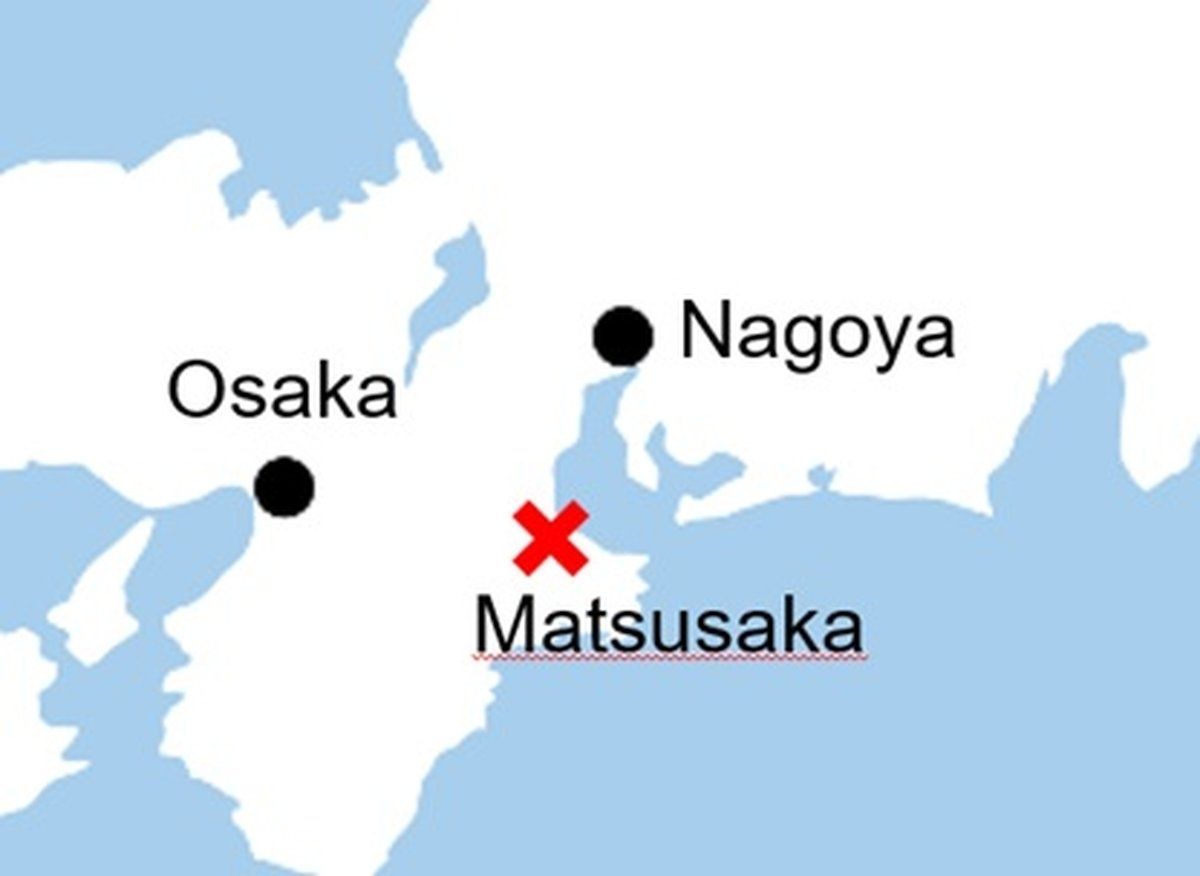
Authorities in Matsusaka, Mie Prefecture, arrested a 35-year-old man on Thursday (June 18) following allegations that he confined his partner's five-year-old daughter inside a garbage can as a form of punishment. The suspect, who has admitted to the charges, allegedly carried out the disturbing act at his partner's residence, raising serious concerns about child welfare and the boundaries of parental discipline in Japan.
The incident occurred around 6.30pm on May 12 at the family home in Mie Prefecture. According to police records, the man deliberately transported the young girl to the garbage can, placed her inside, and sealed the lid shut. The child remained trapped for approximately five minutes before being released. Despite the traumatic nature of her confinement, the girl was found to be physically unharmed, though the psychological impact of such an experience on a five-year-old raises significant questions about her emotional wellbeing.
When questioned by investigators, the suspect justified his actions by characterizing the confinement as a disciplinary measure. This justification highlights a troubling perspective on child-rearing that treats extreme isolation and psychological intimidation as acceptable forms of punishment. The explanation underscores broader societal discussions about what constitutes appropriate discipline and the protection of vulnerable children from abuse disguised as parental authority.
The case only came to light when a child welfare center in Mie Prefecture became aware of the incident on May 20, more than a week after it had occurred. This delayed discovery raises questions about how such incidents go undetected in community settings and whether there are adequate mechanisms for identifying signs of child mistreatment. The welfare center's intervention proved crucial in ensuring the child's safety and triggering police involvement.
Following the center's notification to authorities, the five-year-old girl and her older sister were both placed under the protective custody of the child welfare center. The decision to remove both children from the household reflects the seriousness with which Japanese authorities treat allegations of child abuse and the precautionary measures implemented to safeguard siblings who may have experienced or witnessed similar treatment.
This case reflects growing concerns across Japan about child abuse and the varying interpretations of acceptable discipline. Japanese society, like many Asian nations, has traditionally granted parents considerable latitude in determining how to correct their children's behaviour. However, increasingly strict child protection laws and heightened public awareness have begun to challenge practices that cross the line into abuse, particularly when they involve confinement, psychological trauma, or physical danger.
The incident also underscores the vulnerability of children in blended family situations, where step-parents or partners may not have formal legal relationships that provide clear protection mechanisms. The girl's mother's partner had significant access to the child without necessarily having established safeguards or oversight, a pattern that authorities across Southeast Asia have identified as a risk factor in child protection cases.
For Malaysian and regional readers, this case serves as a cautionary reminder about the importance of vigilant child protection systems and community awareness. While Malaysia has its own child protection frameworks through the Children Act 2001, ensuring that welfare officers, educators, and medical professionals remain alert to signs of abuse remains critical. The delay in discovering this case in Japan—spanning more than a week—demonstrates how easily incidents can be concealed within family units.
The case also illustrates the importance of having robust reporting mechanisms and trained personnel in childcare facilities, schools, and healthcare settings who can identify and report suspected abuse. Southeast Asian countries, including Malaysia, continue to strengthen their capacities in this area, recognizing that early intervention can prevent escalation of harmful behaviour and protect children from further trauma.
As Japan's legal system processes this case, it contributes to an evolving discourse about the limits of parental authority and the state's responsibility to protect children. The willingness of the suspect to confess and the swift action by welfare authorities suggest that despite cultural variations in child-rearing practices, there is increasing consensus that confining a child in any manner constitutes unacceptable abuse that warrants criminal intervention.

