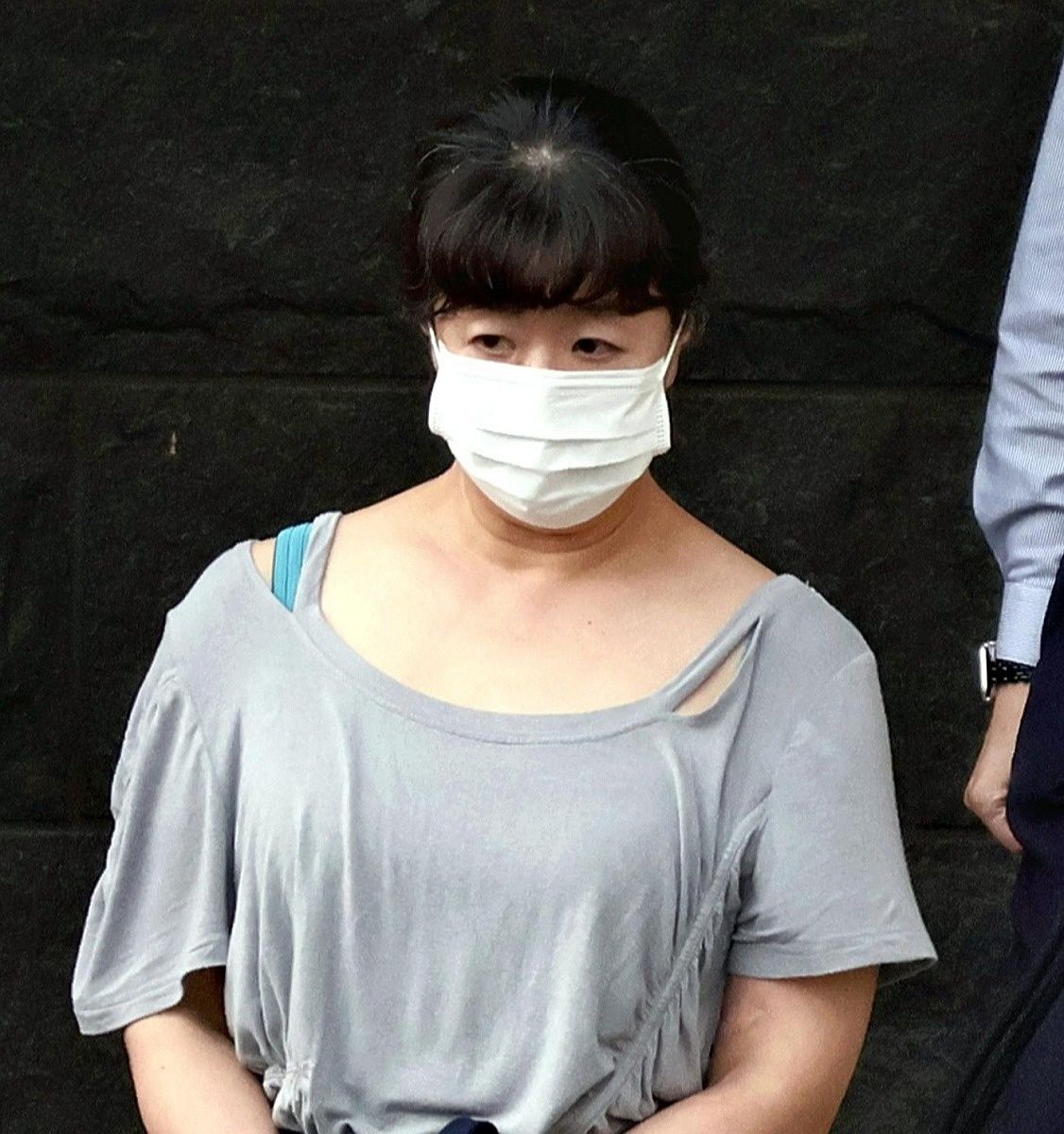
A 51-year-old woman has been taken into custody in Chiba Prefecture, Japan, following an investigation into the death of a hospital patient in circumstances that have raised serious questions about safeguarding in medical settings. Miyuki Furukawa, who worked as a head nurse on night shift at Kashiwa Tanaka Hospital, faces suspicion of causing the death of 75-year-old Eiji Aida through introduction of faecal matter into his intravenous drip line. The alleged incident occurred on January 30 at approximately 3.55am, with the patient succumbing to multiple organ failure the following evening. Police made the arrest on Wednesday, July 15, marking a significant development in what has become a high-profile medical negligence case.
The sequence of events that led to this arrest began when Aida's condition took a dramatic turn for the worse on January 30 and 31. Medical staff noted sudden deterioration in his vital signs, and he was pronounced dead at approximately 10.30pm on January 31. Subsequent medical examination determined that the cause of death was multiple organ failure precipitated by sepsis, a life-threatening condition resulting from bacterial infection spreading through the bloodstream. Laboratory analysis of the deceased's blood revealed the presence of bacteria typically found in human faeces, providing crucial evidence linking the contamination to the alleged act.
The breakthrough in the investigation came through vigilance from another hospital employee who observed something unusual during routine checks. This colleague noticed that the interior of the extension tube attached to Aida's IV line had developed an abnormal brown discoloration, a sign that foreign material had contaminated the sterile system. The employee reported these findings to Kashiwa Police on February 1, raising the alarm that the discoloration suggested deliberate introduction of a foreign substance rather than accidental contamination. This report catalysed the police investigation that would eventually lead to Furukawa's arrest.
Security camera footage from within the hospital proved instrumental in focusing suspicion on Furukawa. The recordings captured her entering and exiting the patient's room on the morning in question, establishing her presence at the location where the contamination occurred. Her position as head nurse on the night shift also meant she had legitimate access to the patient care areas and the IV apparatus, making her presence less likely to raise immediate suspicion among other staff members. Hospital records and shift schedules confirmed that she held a supervisory role during the overnight period when the alleged act took place.
The investigation uncovered additional circumstantial evidence pointing toward deliberate intent. According to sources familiar with the police inquiry, Furukawa had engaged in a prior confrontation with Aida, suggesting potential motive for the alleged act. More damning still was the discovery that Furukawa had conducted searches on her personal smartphone for the phrase "faeces injection — Will [he] die?", language that prosecutors argue demonstrates premeditation and knowledge of the lethal consequences of such an action. This digital evidence became central to the case, suggesting she had researched the method before allegedly implementing it.
When confronted by authorities, Furukawa denied the allegations, stating simply: "I deny inserting faeces into the tube." Her legal position reflects the seriousness of the charge, which carries implications of intentional harm or murder depending on how Japanese prosecutors ultimately frame the case. The denial sets the stage for a legal battle where forensic evidence, hospital records, and digital communications will likely play decisive roles in determining guilt or innocence.
Furukawa's employment history adds another dimension to the case. After resigning from Kashiwa Tanaka Hospital at the end of February 2024, she subsequently secured employment as a midwife at a Tokyo hospital, meaning she continued working in the healthcare sector despite the investigation into her conduct at the Chiba facility. This transition raises questions about employment screening practices and information sharing between institutions regarding staff under investigation for serious allegations. Healthcare facilities typically maintain strict confidentiality regarding personnel matters, but the case highlights potential gaps in communication about ongoing criminal investigations.
Chiba prefectural police have described their investigation as ongoing, with particular focus on establishing Furukawa's motive and understanding the full circumstances surrounding the incident. Detectives are working to determine whether other incidents or patients may have been affected, a standard procedure in cases involving healthcare workers accused of harming patients. The investigation will likely examine her interactions with other patients and whether her employment history contains patterns of concerning behaviour.
The hospital's response came through an official statement from Aoikai, the organisation that operates Kashiwa Tanaka Hospital. The statement characterised the alleged act as "absolutely unforgivable" for someone working within a medical institution, emphasising both professional and fundamental human ethics. Hospital officials declared their full cooperation with the police investigation and commitment to revealing complete facts surrounding the incident, suggesting that internal reviews and safety audits have also been initiated.
This case carries significant implications for healthcare facilities across East Asia regarding patient safety protocols and staff vetting procedures. Medical institutions in Japan, as well as in neighbouring countries including Malaysia, have responded to such incidents by reviewing their own safeguards around sterile procedures and intravenous administration. The fundamental vulnerability of hospitalised patients who depend entirely on medical staff for their care forms the underlying concern driving public and institutional attention to this case.
The investigation also raises uncomfortable questions about the psychological assessment and ongoing monitoring of healthcare workers, particularly those in positions of direct patient care. While healthcare professionals undergo extensive training in ethics and patient welfare, cases such as this underscore the challenge institutions face in identifying individuals whose behaviour may pose risks to vulnerable populations. The contrast between Furukawa's professional qualifications and the alleged actions illustrates the complexity of modern healthcare security and patient protection.

