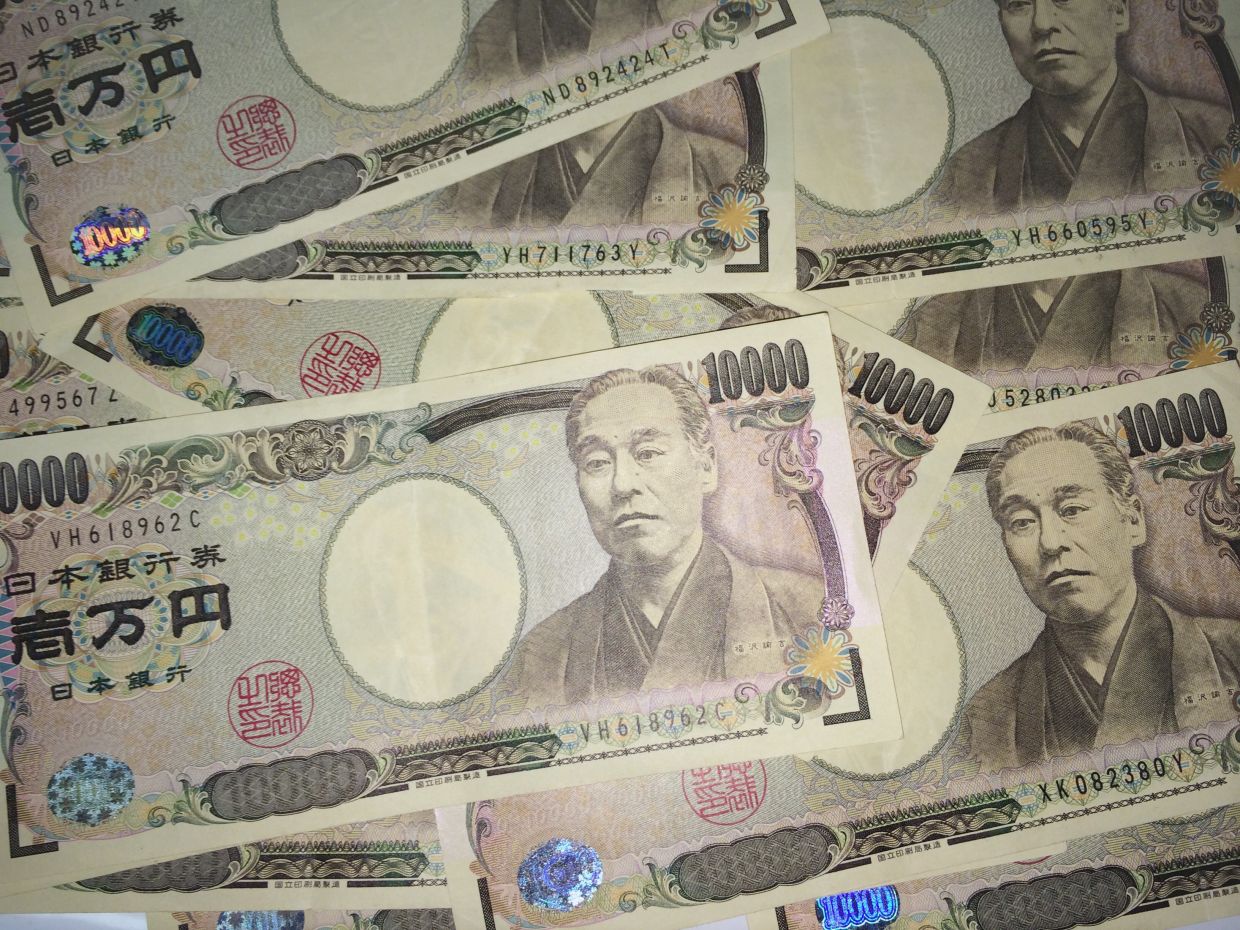
Japan's currency has slumped to levels not seen in four decades, testing the resolve of policymakers and raising fresh questions about the effectiveness of monetary and fiscal tools in modern currency markets. Trading at 161.205 yen per U.S. dollar on Friday, the yen remains perilously close to its two-year trough, having shrugged off both a rate increase from the Bank of Japan and earlier intervention by Tokyo's Ministry of Finance. The stubborn weakness underscores deepening structural challenges facing the world's third-largest economy at a moment when global financial conditions remain fraught with uncertainty.
The yen's persistent slide stands out for its resilience against remedial measures that normally bolster currencies. Last week, the Bank of Japan raised its policy interest rate to its highest level since 1994, a move intended to increase returns on yen holdings and attract foreign investment into Japanese assets. Yet the announcement barely registered with currency traders, who continued to push the yen lower. Similarly, the Ministry of Finance deployed dollar-selling intervention earlier in 2024, deploying significant resources to support the domestic currency, yet those efforts delivered only temporary respite. This pattern suggests the underlying pressures weighing on the yen run deeper than traditional monetary levers can address.
Analysts increasingly point to confidence in Japan's government spending plans as a key factor undercutting the currency. Prime Minister Sanae Takaichi's proposed fiscal initiatives have sparked investor concerns about long-term budgetary sustainability and the trajectory of Japanese debt. When confidence in a government's fiscal management erodes, even higher interest rates struggle to attract foreign capital, as investors weigh the purchasing power of future returns against the risk of currency depreciation. The calculus becomes particularly acute for international portfolio managers deciding whether yen-denominated assets offer adequate compensation for currency risk.
Market observers have begun placing bets on a return of government intervention, though analysts warn that repeated interventions could prove counterproductive. Tony Sycamore, market analyst at IG in Sydney, suggests Tokyo will likely make a stand at the 161.95 yen level, deploying roughly ¥11.7 trillion in firepower similar to the scale of operations witnessed in April and May. However, such interventions would consume between 11 and 12 percent of Japan's total foreign exchange reserves over a short span, an unsustainable burn rate that would eventually force policymakers to become far more selective with their defensive operations. The prospect of exhausted ammunition and diminished credibility looms as a long-term constraint on Japan's ability to engineer a sustained currency recovery.
Inflation dynamics in Japan compound the challenge facing monetary authorities. Core inflation remained below the Bank of Japan's 2 percent target for the fourth consecutive month in May, constrained by government fuel subsidies that have successfully shielded consumers from the global energy shocks triggered by Middle East tensions. Yet this temporary price stability masks deeper inflationary currents building beneath the surface. Capital Economics analysts project that as fuel subsidies inevitably unwind and energy costs pass through into utility charges and broader services, inflation could accelerate to around 3.5 percent by early 2027, well above the central bank's comfort zone.
Central bank officials are grappling with the uncomfortable possibility that underlying inflation pressures might overshoot their target, particularly if geopolitical tensions in the Middle East persist and disrupt global oil supplies. Minutes released Friday from the Bank of Japan's April meeting revealed that board members discussed the merits of accelerating rate hikes should the regional conflict drag on. Deputy Governor Ryozo Himino reinforced this hawkish inclination on Friday, signalling that policymakers remain vigilant about inflation risks and prepared to continue tightening monetary conditions. The implication is clear: rate hikes will likely continue, yet their impact on currency markets remains uncertain given the disconnect between Japanese policy moves and yen strength.
The recent U.S.-Iran peace deal initially sparked hopes that shipping disruptions in the Strait of Hormuz might ease, reducing global energy costs and providing some relief to Japan's import bill. Yet the agreement has proven fragile, with substantial question marks surrounding its durability. Most currencies moved little on the news, suggesting traders remain sceptical that the ceasefire will hold. For Japan, stability in global energy supplies remains crucial, not only for price stability at home but also for the competitiveness of its export sectors. A return to elevated oil prices would further strain Japanese finances and deepen the currency's structural weakness.
The broader currency landscape revealed little movement on Friday as regional markets contended with thin liquidity due to holidays in North America and much of Asia. The U.S. dollar index, which measures the greenback's strength against a basket of six major currencies, held steady at 100.81, having climbed to a one-year high on Thursday. The British pound remained flat at $1.3205 following the Bank of England's decision to hold interest rates steady at 3.75 percent, with policymakers judging that premature tightening would be imprudent given lingering uncertainties about inflation. Australian and New Zealand dollars traded in narrow bands, while cryptocurrency markets registered minor movements.
For Malaysia and other Southeast Asian economies, the implications of Japan's currency weakness merit careful consideration. A persistently weak yen makes Japanese exports more competitive globally, potentially pressuring regional manufacturers who compete directly with Japanese producers in electronics, automotive components, and precision machinery. Conversely, the yen's weakness could offer opportunities for Malaysian firms sourcing inputs from Japan, as import costs decline in ringgit terms. The currency dynamics also reverberate through regional financial markets, as the yen traditionally serves as a funding currency for carry trades that support liquidity across Asian bond and equity markets. Any sharp reversal in yen weakness could trigger forced unwinding of those positions, potentially destabilizing regional asset prices.
Looking ahead, the credibility of Japanese policymakers faces a critical test. If intervention proves ineffectual and the yen continues grinding lower despite higher interest rates, questions will inevitably surface about whether the Bank of Japan and Ministry of Finance possess adequate tools to manage currency movements in an age of massive capital flows and electronic trading. The answers will shape not only Japan's economic trajectory but also the confidence investors place in other central banks' ability to influence exchange rates. For Malaysia, watching how Tokyo navigates these challenges offers instructive lessons about the limits of traditional monetary policy in an interconnected world.

