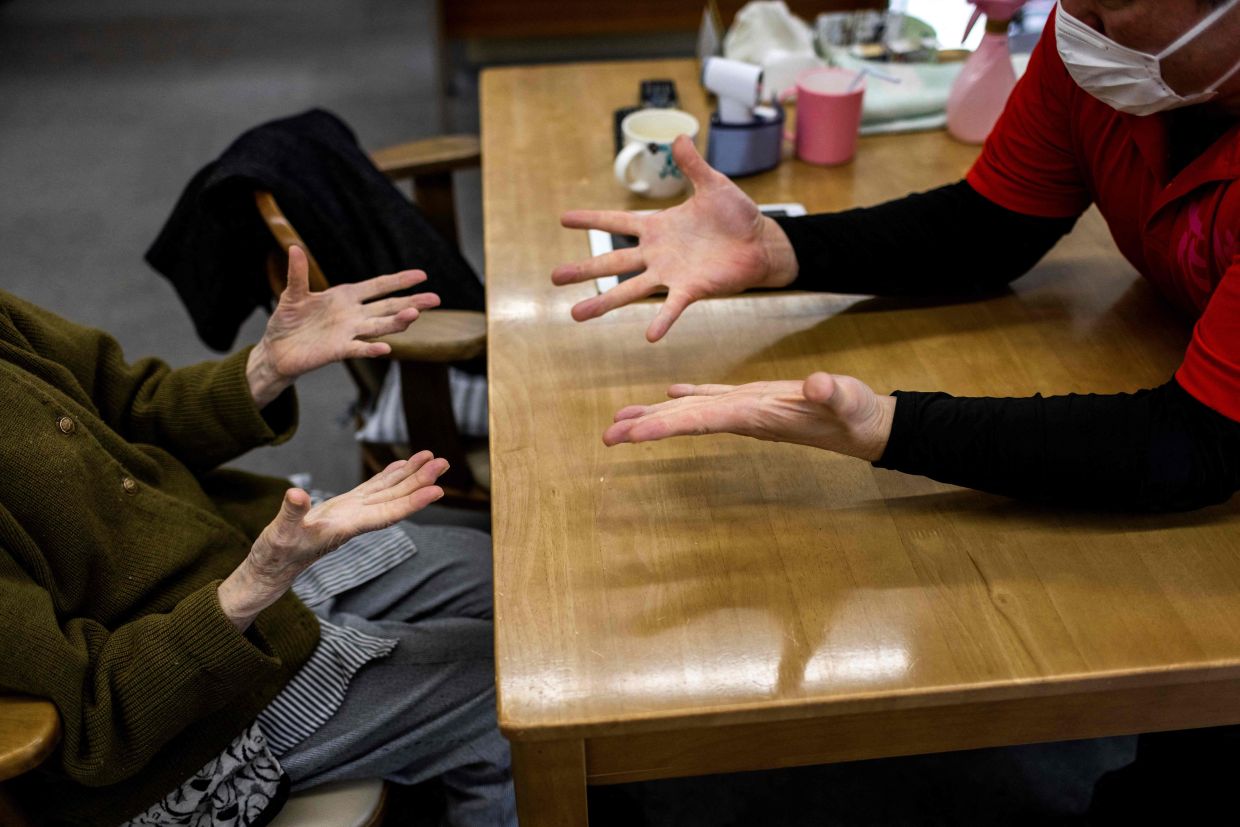
The release of a Japanese film exploring one of medicine's deepest taboos has thrust Japan's deepening care crisis into the spotlight. The adaptation of "Haiyoshin (Useless Body)," a 2003 novel by Yo Kusakabe, a former geriatric specialist from Osaka, presents a darkly speculative scenario in which voluntary amputation of immobilised limbs could alleviate the mounting strain on the country's caregiver workforce. Since arriving in cinemas last month, the film has divided audiences and critics alike, with reviewers alternating between labelling it "shocking" and "the year's most controversial film" to acknowledging its uncomfortable underlying logic.
Kusakabe's core proposition stems from practical realities within Japan's care system. He argues that paralysed or immobile limbs serve no functional purpose for bedridden patients yet substantially complicate the physical demands of care work. Removing such limbs would render patients lighter and easier to handle, he contends, potentially reducing the back injuries and physical strain that currently plague caregivers. For female workers tasked with lifting heavy male patients, or for exhausted family members providing round-the-clock assistance, the removal of deadweight limbs could meaningfully diminish daily suffering. The 70-year-old doctor presents this not as a macabre fantasy but as a rational response to a system approaching systemic failure.
The urgency behind Kusakabe's proposition becomes apparent when examining Japan's demographic trajectory. The country now ranks second globally in population ageing, with nearly one person in three aged 65 or older. Government projections estimate a shortfall of approximately 570,000 care workers by 2040, a figure that underscores the widening gap between demand for services and available personnel. Japan's care sector is not yet in collapse, Kusakabe acknowledges, but the trajectory is unmistakable. As the elderly population continues swelling and living longer with chronic conditions, the system faces unprecedented pressure that conventional staffing solutions appear inadequate to address.
The human cost of this care crisis manifests in Japan's documented phenomenon of "kaigo satsujin"—caregiving murders—wherein overwhelmed, desperate individuals kill their charges or themselves. A 2016 investigation by public broadcaster NHK revealed such tragedies occurring roughly every two weeks, a frequency that speaks to the psychological and physical breaking points caregivers routinely reach. These statistics horrify rather than surprise observers familiar with Japan's care landscape. Kusakabe suggests that if such violence continues escalating unchecked, amputation might eventually emerge as a consideration among desperate families and institutions seeking alternatives.
The film itself grants narrative space to the counterintuitive possibility that patients themselves might welcome amputation. Kusakabe recalls genuine patients who expressed longing to be rid of limbs that produced only pain, obstruction, and unpredictable convulsions. In the narrative, amputees discover unexpected freedom from suffering, exhibiting newfound agility and engagement with life. They manipulate balloons with remaining body parts and navigate wheelchairs with dexterity their previous forms prevented. The film provocatively poses this question: what actually constitutes dignity in end-of-life care—the painful, humiliating struggle to clothe paralysed limbs, or the absence of such suffering? Kusakabe frames the dilemma in starkly utilitarian terms: if someone desires amputation, and families accept it, what justifies external interference?
This philosophical reframing exposes a deeper dysfunction within Japan's approach to elderly care. Unlike Scandinavian countries such as Sweden and Denmark, where palliative care principles guide decisions to cease feeding patients who no longer eat naturally, Japan employs feeding tubes and intravenous drips for the elderly with near-reflexive consistency, heavily subsidised by insurance coverage. Families struggle to accept inaction, viewing any cessation of treatment as abandonment. Kusakabe argues this cultural inability to adopt what he calls a "bold, rational approach" perpetuates suffering among the dying while simultaneously exhausting the living who provide care. The system prioritises keeping bodies alive over evaluating whether such prolongation serves the patient's interests or merely reflects family anxiety and institutional habit.
The film's narrative arc ultimately undermines Kusakabe's proposition in its own storytelling. Despite initial enthusiasm about "A-care (Amputation Care)," a tragedy shatters the main character's confidence in the procedure's efficacy and morality. This plot development reflects perhaps a deeper truth: amputation, however theoretically rational, may remain psychologically and culturally incompatible with Japanese society's values and worldviews. Kusakabe himself acknowledges this mismatch, suggesting that Japan's deep-rooted beliefs about preserving life, even when doing so causes suffering, militate against embracing such radical solutions.
The film's reception reveals fractures in how Japanese society processes these uncomfortable realities. Some viewers dismiss amputation as ruthlessly unethical; others, however, recognize that the proposal contains legitimate points about care work's physical toll and the quality-of-life dimensions rarely discussed openly. Comments on cinema information website eiga.com reflect this spectrum, with some acknowledging that the amputation concept "had a point" despite seeming cruel. This division suggests that Japan's care crisis has become sufficiently acute that even outlandish proposals now receive serious consideration from thoughtful observers.
For Malaysian and Southeast Asian readers, Japan's predicament offers crucial foresight into the region's own demographic future. Malaysia, Thailand, and other ASEAN nations face similar trajectories toward ageing populations, though typically with less developed social safety nets and fewer cultural precedents for institutional care. The Japanese example demonstrates both the severity of forthcoming care shortages and the inadequacy of purely medical or technological fixes. Southeast Asian policymakers would be wise to observe not only Japan's crisis but also the inadequacy of its responses, recognising that demographic change demands comprehensive societal restructuring of care systems, professional development, and cultural reorientation toward end-of-life dignity long before populations reach Japan's current age profile.
Kusakabe's extraordinary proposal, whether ultimately implementable or not, serves an important function: it forces uncomfortable conversation about what elderly care actually involves and what societies are willing to endure in pursuit of abstract ideals about life extension. By presenting amputation as a logical extension of care challenges, the novel and film expose the unstated costs of current systems. They question whether Japan's reflexive commitment to keeping people alive at all costs, regardless of suffering or caregiver burden, truly serves human dignity or merely reflects institutional inertia. In this sense, Kusakabe's taboo proposition, however radical and likely impractical, opens space for more honest discussion about resource allocation, quality of life, and what constitutes ethical eldercare in rapidly ageing societies.

