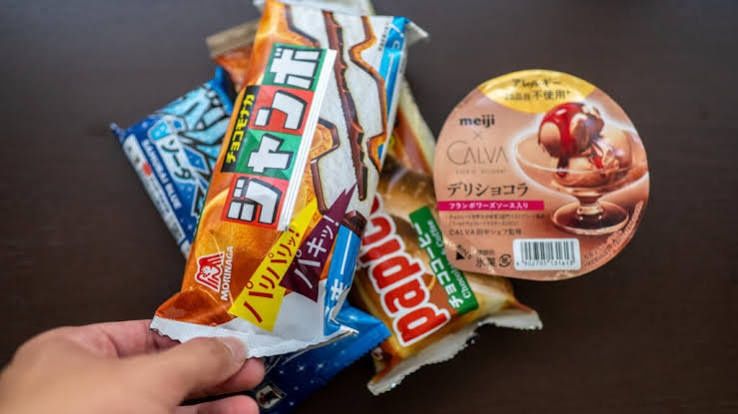
Japan's competition authorities have intensified scrutiny of the ice cream sector, launching raids against six major manufacturers accused of orchestrating coordinated price increases during what should be their most lucrative season. The Japan Fair Trade Commission conducted simultaneous searches at the head offices of Meiji Co., Morinaga Milk Industry Co., Lotte Co., Ezaki Glico Co., Morinaga & Co., and Akagi Nyugyo Co. on Tuesday, marking an aggressive enforcement action that underscores Tokyo's determination to crack down on anticompetitive behaviour in a strategically significant consumer goods market.
According to sources briefed on the investigation, company officials from these firms are suspected of engaging in sustained collusion spanning several years. The enforcement action centres on allegations that executives communicated through emails and in-person meetings to coordinate both the timing and magnitude of retail price increases. Such coordination, if substantiated, would constitute a clear violation of Japan's antitrust framework and represent a deliberate attempt to manipulate consumer prices rather than respond organically to market pressures.
The pattern of suspected collusion appears particularly systematic. Since approximately 2022, these ice cream manufacturers have implemented price hikes on an annual basis, with the increases occurring at remarkably similar intervals. This temporal synchronisation has drawn the attention of regulators, who view such parallel pricing behaviour as a red flag for underlying cartel coordination. The regularity of these increases suggests a coordinated strategy rather than independent business decisions responding to varying cost structures or competitive dynamics.
Beyond allegations of straightforward price coordination, investigators are examining whether the companies exploited inflationary conditions to justify price increases disproportionate to actual increases in raw material costs. The JFTC is probing whether firms used broad economic inflation as cover to implement margins expansions that exceeded what genuine cost pressures would justify. This investigative angle reflects growing recognition among regulators worldwide that companies during inflationary periods may engage in what economists term "opportunistic pricing"—raising prices beyond cost-justified levels while crediting inflation.
The timing of this enforcement action arrives at a critical juncture for Japan's ice cream industry. Summer represents peak demand season for frozen confectionery, and the country experienced its hottest summer since temperature records began in 1989 during the fiscal year ending March. These sweltering conditions drove unprecedented consumer demand, with ice cream sales reaching a record 660 billion yen. The industry's extraordinary performance during this period may have intensified scrutiny over whether manufacturers were maintaining fair competition or exploiting extraordinary demand conditions through coordinated pricing.
Most of the targeted companies have already issued statements confirming the JFTC inspections and pledging cooperation with investigators. Natsuyo Suzuki, representing Akagi Nyugyo, specifically confirmed the firm's willingness to work with authorities following the on-site inspection. This cooperative posture is fairly standard among major Japanese corporations facing regulatory scrutiny, as companies typically calculate that demonstrating compliance and transparency serves their long-term interests better than adversarial resistance to regulators.
The potential consequences for these manufacturers are substantial if the JFTC determines that cartel conduct occurred. The commission possesses authority to impose corrective business practice orders requiring structural or operational changes, alongside significant financial penalties. Such enforcement outcomes carry reputational implications extending beyond immediate financial impact, potentially affecting consumer perception and investor confidence in companies found to have engaged in anticompetitive conduct.
This investigation reflects broader regulatory trends across East Asia and globally, where competition authorities have become increasingly assertive in policing pricing conduct in consumer-facing sectors. The ice cream market, despite its apparently innocuous nature, represents a sector where collusion can meaningfully affect household budgets during peak summer months when consumption is highest. Japanese regulators' willingness to pursue sophisticated cartel investigations in this segment demonstrates that no market segment is beneath their enforcement scrutiny.
For Malaysian and Southeast Asian readers, this case holds instructive lessons about competition enforcement in advanced economies. Japan's regulatory apparatus functions with considerable independence and sophistication, capable of conducting multi-firm investigations and securing cooperation from major corporate entities. The investigation's focus on circumstantial evidence of coordination—including parallel pricing timing and allegations of email communications—illustrates the sophistication of modern cartel detection methods. Regional competitors and policymakers may observe Japanese enforcement practices as indicators of global standards for antitrust vigilance.
The ice cream sector's specific characteristics also warrant consideration. As a consumer staple with relatively low per-transaction values but significant aggregate spending during peak seasons, price collusion in this sector can impose measurable consumer welfare losses. Japanese authorities' recognition of this sector's importance reflects understanding that cartel enforcement serves not only abstract competition principles but concrete consumer interest protection. The timing of enforcement action preceding the peak summer selling season may also serve a deterrent function, signalling that coordinated pricing will face regulatory consequences.