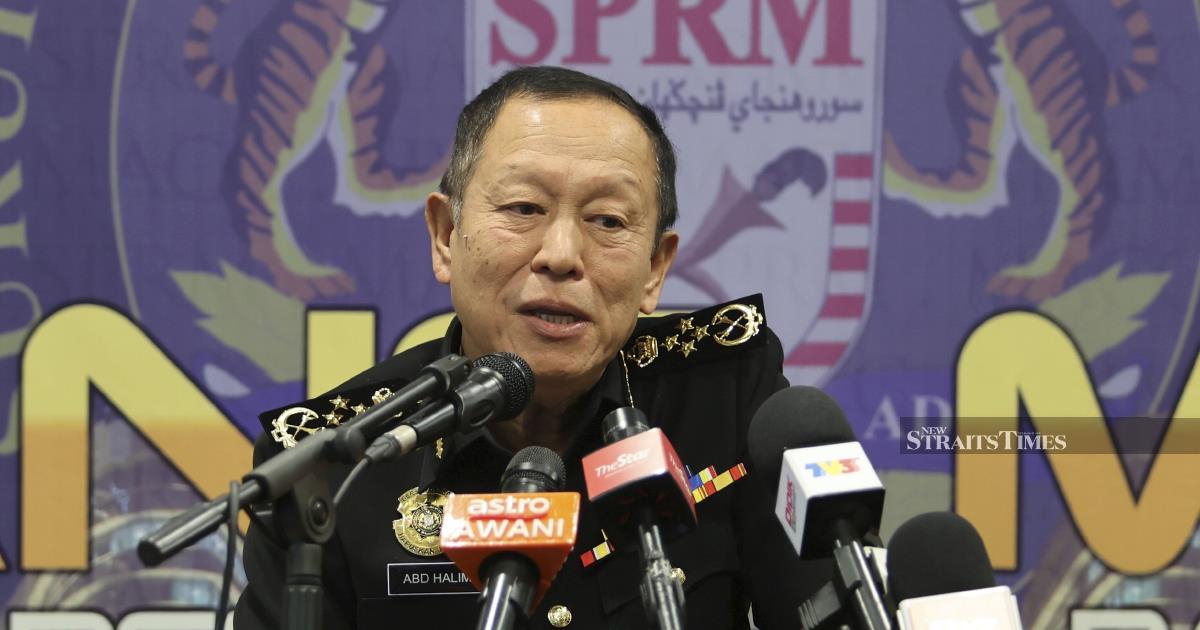
The Malaysian Anti-Corruption Commission maintains that its investigation into fugitive businessman Low Taek Jho has never been discontinued, despite years passing since the initial allegations emerged from the 1Malaysia Development Berhad scandal. This reassurance from the anti-corruption agency comes amid persistent questions about the status of prosecutorial efforts against the businessman, who has remained beyond Malaysia's reach for several years.
Low Taek Jho became one of Asia's most wanted figures following the unravelling of the massive 1Malaysia Development Berhad financial scandal, which exposed billions in missing funds allegedly siphoned from the state development fund. The fugitive businessman, who played a central role in advising the fund's management, disappeared from public view as international investigations intensified across multiple jurisdictions including the United States, Switzerland, and Singapore.
The MACC's assertion carries particular significance for Malaysia's anti-corruption efforts, signalling continued commitment to pursuing accountability despite Low's absence from the country. The investigation encompasses not merely Low's alleged misconduct but extends to the broader network of associates, intermediaries, and financial facilitators who reportedly worked with him to facilitate the movement of illicit funds. Understanding this scope reveals the complexity of unravelling financial crimes that span continents and involve sophisticated money laundering mechanisms.
Malaysia's pursuit of Low reflects the country's broader efforts to restore institutional credibility following the 1MDB crisis. The scandal severely damaged Malaysia's international reputation for financial governance and regulatory oversight. Demonstrating sustained investigative momentum, even against a fugitive target, signals to domestic and international audiences that the country remains serious about pursuing wrongdoing regardless of obstacles. This matters considerably for Malaysia's standing within global financial networks and for investor confidence.
The fugitive businessman's case has become emblematic of the challenges facing law enforcement agencies in pursuing white-collar criminals who possess resources to evade jurisdiction. Low's ability to remain at large, despite the international profile of his alleged crimes, underscores both the difficulties in extraditing suspects from certain jurisdictions and the necessity of robust inter-agency cooperation. The MACC's continued investigation likely relies substantially on international partnerships and intelligence-sharing arrangements with foreign authorities.
From a regional perspective, Low's case illuminates how Southeast Asian nations confront sophisticated financial crimes that transcend national boundaries. The scandal demonstrated vulnerabilities in oversight mechanisms that allowed such massive diversion of public funds to occur over an extended period. Subsequent regional cooperation frameworks and enhanced information-sharing protocols represent institutional learning from the 1MDB experience, benefiting the broader Southeast Asian financial system.
The investigation's ongoing nature also bears implications for Malaysia's legal and political landscape. While previous investigations have resulted in convictions of other individuals connected to the scandal, Low remains conspicuously absent from the dock. The pursuit of accountability against him, therefore, carries symbolic weight beyond the individual case. It represents Malaysia's determination to ensure that even the most elusive targets face legal consequences for their alleged actions.
Low's fugitive status itself raises questions about international cooperation mechanisms and extradition treaties. The businessman reportedly spent time in jurisdictions with varying degrees of diplomatic relations with Malaysia and differing legal traditions. Navigating these complexities while maintaining investigative momentum requires sustained diplomatic pressure, strategic legal maneuvering, and coordination among multiple agencies. The MACC's insistence on the probe's active status reassures Malaysian citizens that such efforts continue despite these inherent difficulties.
The broader implications for corporate governance in Malaysia cannot be overlooked. The 1MDB scandal exposed inadequacies in oversight of state-owned enterprises and prompted regulatory reforms. The continued investigation into Low serves as a reminder that governance failures at high levels carry enduring consequences. For Malaysian business leaders and administrators, the ongoing scrutiny reinforces the importance of compliance mechanisms and transparent financial management practices.
For Malaysian readers, the MACC's statement offers reassurance that corruption's most visible fugitive has not been forgotten by authorities. The passage of time between initial revelations and current assertions might understandably raise concerns that the case had been deprioritised. The agency's explicit confirmation that investigation remains active provides clarity on institutional commitment to this high-profile matter.
The investigation also intersects with broader questions about Malaysia's recovery from the 1MDB era. Public confidence in institutions depends partly on visible pursuit of accountability, particularly against figures who became symbols of financial malfeasance. Whether Low eventually faces Malaysian justice, faces prosecution elsewhere, or remains a perpetual fugitive will influence how Malaysians view the effectiveness of their anti-corruption apparatus and the rule of law more broadly.
Moving forward, the investigation likely depends on both continued domestic coordination and sustained international cooperation. Intelligence-sharing with foreign authorities, monitoring of financial networks for suspicious activities linked to Low, and maintenance of open extradition requests all contribute to keeping the case active. The MACC's statement signals that Malaysia remains prepared to pursue these avenues for as long as necessary to bring Low to account.

