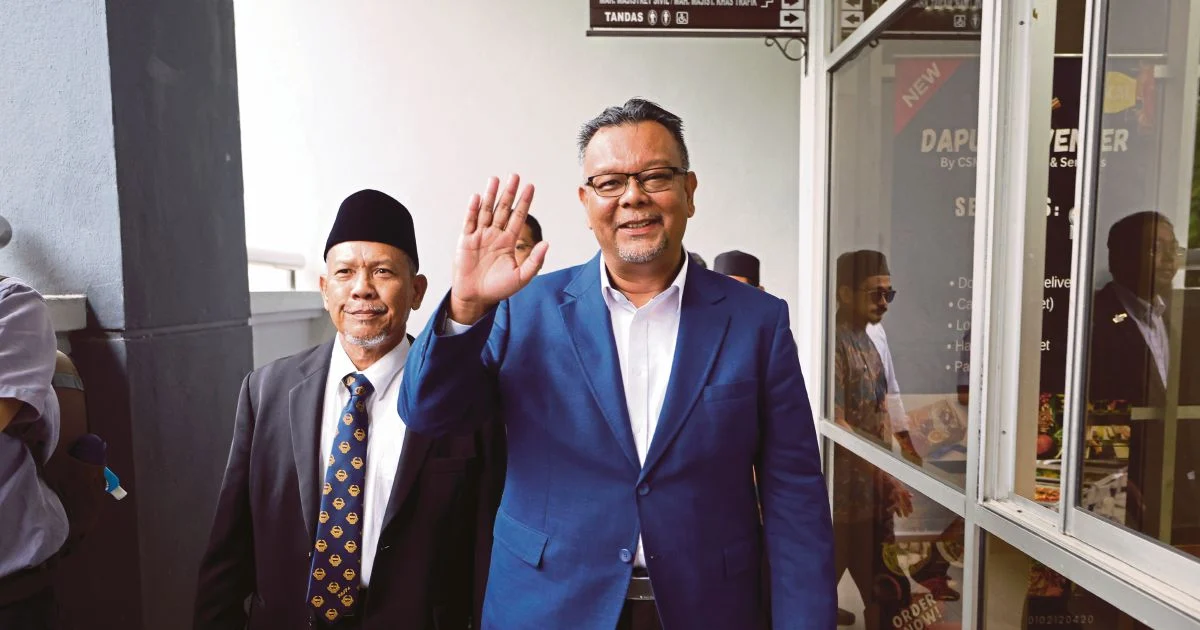
The Jitra state assemblyman Dr Haim Hilman Abdullah appeared before Seremban magistrate's court on Tuesday to face a single charge concerning statements believed to be capable of generating public alarm or anxiety. He formally entered a not guilty plea, signalling his intention to contest the allegations before the court.
The charge falls under laws designed to protect public order and prevent the dissemination of material that could unnecessarily frighten or disturb the general population. Such provisions exist across Malaysian legislation to maintain social stability, though they remain subject to ongoing debate regarding the balance between free expression and security concerns.
As an elected representative in the Kedah state assembly representing the Jitra constituency, Dr Hilman's legal proceedings attract particular attention given his position in public office. State assemblymen serve as key intermediaries between constituents and state government, and legal matters involving their conduct often generate wider discussion about the boundaries of political speech and responsibility.
The charge itself reflects Malaysia's multi-layered approach to regulating public discourse. Various federal and state laws contain provisions addressing false statements, inflammatory speech, and content deemed likely to disturb social harmony. These legal frameworks have been applied in diverse contexts, from social media posts to public statements made by politicians and activists.
The proceedings in Seremban magistrate's court will determine whether the prosecution can establish that Dr Hilman's alleged statements met the threshold for legal concern. The burden remains on authorities to demonstrate not merely that statements were controversial or unpopular, but that they specifically targeted public emotions with intent or negligence regarding consequences.
For Malaysia's political landscape, the case underscores the complex relationship between legislative speech protections and restrictions on expression. Politicians frequently operate in a space where their utterances carry amplified reach through media coverage and social media sharing, yet they enjoy certain privileges when speaking in their official capacities. Statements made outside official forums, however, receive different legal treatment.
The Jitra assemblyman's legal challenge will progress through the magistrate's court system, where evidence will be presented and examined. The outcome may establish precedent regarding how existing laws are interpreted and applied to political figures, particularly those holding state-level positions. Defence counsel will likely argue that their client's statements fell within acceptable bounds of political expression, while prosecution must prove the contrary.
Kedah politics has witnessed various legal and political developments in recent years, reflecting the state's competitive electoral environment. The state assembly comprises representatives from multiple parties, and tensions between government and opposition are regularly played out both in the chamber and in broader public discourse. Against this backdrop, charges involving inflammatory speech or statements affecting public order take on additional significance.
Beyond the immediate legal questions, the case reflects broader Malaysian concerns about maintaining civil discourse while protecting free expression. Media outlets, civil society organisations, and legal scholars continue to assess how courts interpret and apply laws regulating speech, particularly when politicians are defendants. These assessments contribute to ongoing national conversations about the boundaries of acceptable political communication.
The magistrate's court proceedings will likely determine both the immediate legal fate of Dr Hilman and potentially offer guidance on how similar cases might be handled in future. As Malaysian courts continue examining the intersection of free speech, public order, and political expression, high-profile cases involving elected representatives carry significance beyond individual circumstances.
Dr Hilman's plea of not guilty sets the stage for a contested trial rather than summary disposition. The court will require substantial evidence that his statements directly threatened public peace or generated genuine apprehension among reasonable members of the public. Questions about intent, context, and the actual effect of his statements will likely feature prominently in proceedings.

