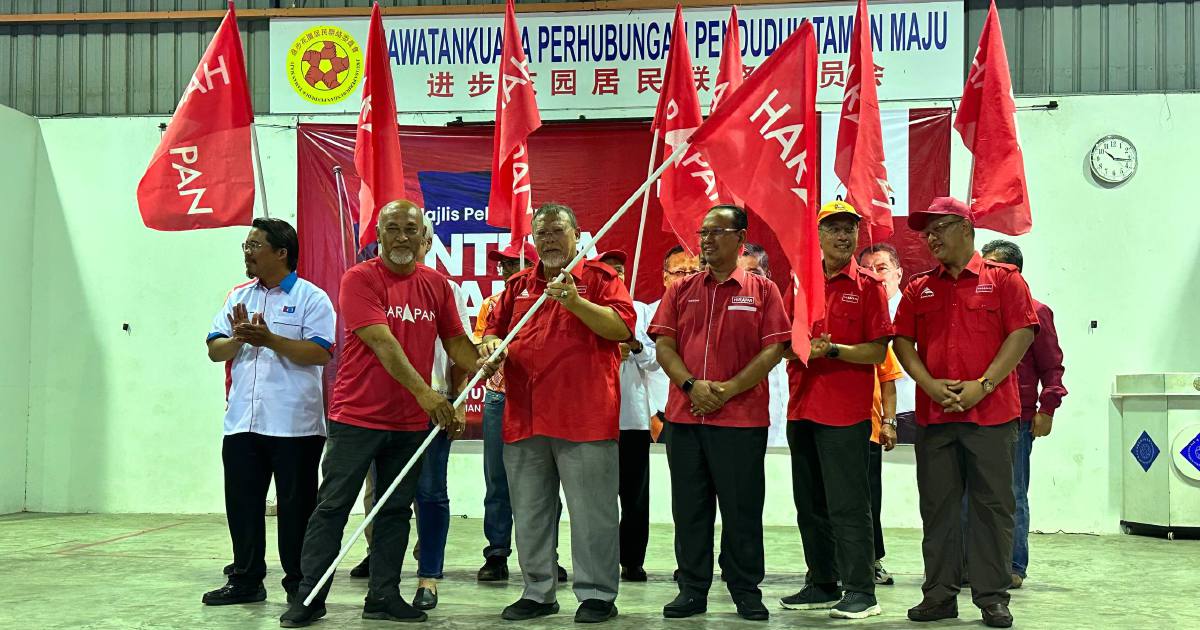
Johor Amanah has publicly declared confidence that it will capture at least six of the ten state constituencies it is fielding candidates for in the northern zone during the upcoming July 11 state election, according to party officials speaking in Batu Pahat. The declaration underscores the party's strategic push in this critical region as Malaysia's southern state prepares for electoral contest.
The northern zone of Johor represents a contested battleground in state politics, with various coalition partners jockeying for advantage ahead of the poll. Amanah's decision to stand ten candidates in this area reflects the party's commitment to expanding its electoral footprint, and the six-seat target suggests internal assessments indicate competitive viability across multiple constituencies. This ambition would represent meaningful gains if realised, potentially reshaping the balance of power in the state assembly.
Amanah's positioning in the northern zone carries particular significance given the party's broader role within Malaysia's political landscape. As a component of the Pakatan Harapan coalition, Amanah's performance in Johor carries implications not just for state-level governance but for coalition dynamics at the national level. The party has faced periods of electoral flux since the 2018 general election, making territorial consolidation strategically important.
The July 11 election date itself marks a significant scheduling choice for the Johor authorities. Summer timing potentially affects voter turnout and campaign dynamics, with considerations around weather patterns and the Ramadan-to-Raya transition period preceding the poll. For parties like Amanah, managing campaign momentum during this window requires careful resource allocation and messaging discipline.
Johor state politics has traditionally been dominated by UMNO and its coalition partners, with federal and state governance historically flowing along predictable lines. However, recent electoral shifts across Malaysia have demonstrated that once-safe territories can become competitive when coalitions recalibrate and voter sentiment shifts. Amanah's confidence in the northern zone may reflect grassroots feedback suggesting openness to alternatives in constituencies where the party is contesting.
The party's specific focus on the northern zone rather than claiming statewide victories shows strategic realism. By concentrating electoral efforts in a particular geographic region, Amanah can deploy resources more effectively and build organisational strength in targeted areas. This approach allows the party to demonstrate success measurably rather than spreading thin across the entire state.
For Malaysian political observers, Amanah's campaign positioning also reflects broader trends in state-level politics where religious conservatism, development priorities, and governance competence remain salient voter concerns. In Johor, a state with significant religious demographics and competing visions of national identity, how Amanah articulates its platform will determine whether the party can convert electoral targets into actual legislative seats.
The confidence expressed by party leadership typically correlates with internal polling and organisational assessment, though electoral outcomes frequently diverge from such projections. The gap between six-seat targets and actual results would signal whether Amanah's ground game in the northern zone has translated voter receptiveness into committed support. Regional analysts will be watching whether the party's performance validates or contradicts pre-election sentiment.
For the broader Pakatan Harapan coalition, Amanah's push in Johor occurs against a backdrop of coalition dynamics that have shifted substantially since 2020. The inclusion or exclusion of coalition partners in specific states, and the performance of individual components, carries consequences for negotiating coalition arrangements at state and national levels following elections.
The July 11 election ultimately represents a moment where Johor voters will make determinations about political direction, and where ambitious parties like Amanah will test whether their organisational strength and political messaging resonate sufficiently to deliver electoral gains in the targeted northern zone constituencies.

