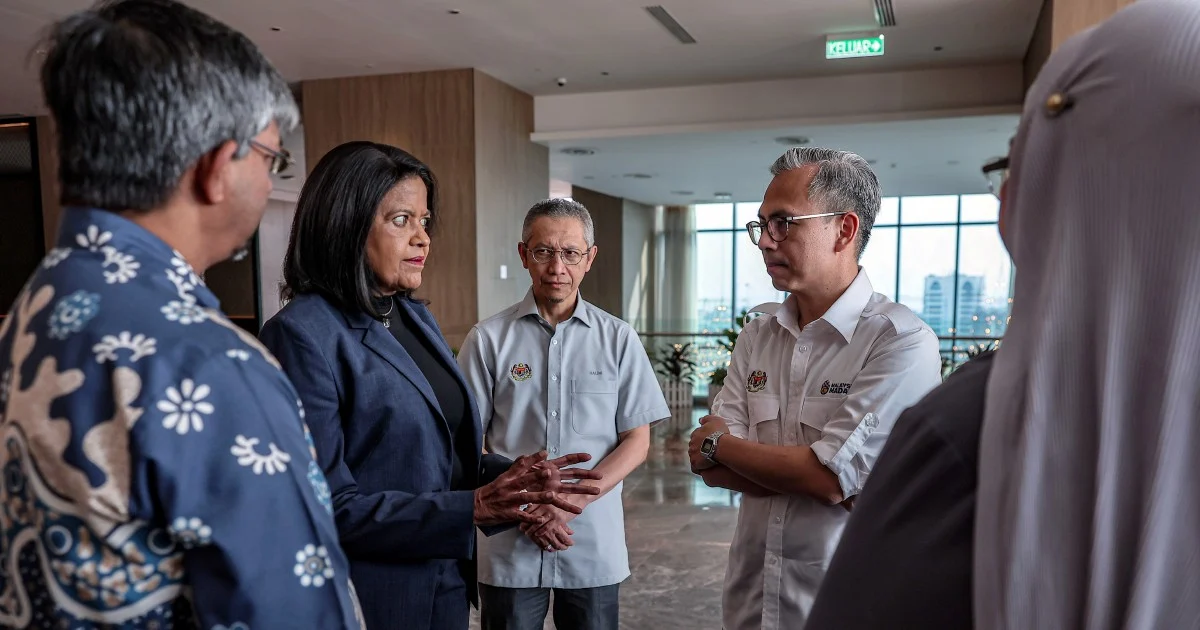
The Malaysian Media Council is preparing to launch an experimental fact-checking mechanism during the forthcoming state elections in Johor and Negri Sembilan, positioning these contests as a testing ground for what could become a more comprehensive national approach to combating election-period misinformation. This initiative reflects growing industry recognition that fabricated content and misleading narratives pose a genuine threat to electoral integrity and public trust in legitimate news sources across Malaysia.
The timing of this pilot programme is significant. Malaysian elections have increasingly become venues where false claims, deepfakes, and coordinated disinformation campaigns spread rapidly across social media platforms, often outpacing traditional journalistic verification and fact-checking efforts. By launching this mechanism now, the council aims to demonstrate that Malaysia's media establishment can respond swiftly and credibly to counter narratives that might otherwise shape voter perceptions unchallenged.
The framework will likely involve real-time monitoring of claims made by political candidates and parties contesting the Johor and Negri Sembilan polls. Rather than relying on individual newsrooms to fact-check independently, this coordinated approach brings multiple media outlets under a single verification protocol, potentially creating a unified standard for what constitutes verifiable information during campaigns. Such coordination is rare in Malaysia's competitive media landscape, where outlets often operate with distinct editorial priorities.
Public trust in information has become increasingly fragile across Southeast Asia. Voters in Malaysia have demonstrated vulnerability to misleading election narratives, particularly those circulating in encrypted messaging groups and on social media platforms where misinformation spreads faster than corrections. By establishing a credible fact-checking body operating during elections, the council seeks to provide voters with an authoritative reference point when encountering competing claims.
The mechanism's effectiveness will depend significantly on its perceived independence and rapid response capacity. Voters making electoral decisions need not just accurate information, but timely access to verified facts. Delays in fact-checking or perceptions of bias toward particular political camps could undermine the entire initiative. The council will face particular scrutiny given Malaysia's politically charged environment, where accusations of media favouritism toward ruling coalitions remain common among opposition supporters.
This pilot programme also addresses structural gaps in Malaysia's information ecosystem. While several international fact-checking organisations have worked in the country, no domestically-rooted mechanism has previously attempted to coordinate fact-checking across a significant portion of the professional media industry during an election campaign. The Johor and Negri Sembilan tests will reveal whether Malaysian media organisations can genuinely cooperate on such foundational issues despite competitive pressures.
The council's initiative comes as regional governments increasingly recognise that combating election-related disinformation requires institutional responses, not merely individual journalistic efforts. Singapore, Indonesia, and the Philippines have experimented with various coordinated fact-checking approaches. Malaysia's approach positions the country as part of this regional trend toward more systematic information verification during high-stakes political contests.
Successful implementation during these state elections could establish a template for future general elections and by-polls. If the mechanism proves effective at debunking false claims and building public awareness of fact-checked information, the council might expand it to cover all Malaysian electoral contests. However, scaling such initiatives nationwide presents logistical and financial challenges that the council will need to address through the lessons learned from these initial trials.
The initiative also has implications for media literacy across Malaysia. As the fact-checking mechanism operates, it creates an opportunity to educate voters about how misinformation spreads and why verification matters. Media outlets participating in the programme can use their coverage to explain the fact-checking process itself, potentially building audience understanding of how legitimate news organisations distinguish truth from fabrication.
Critical observers will likely scrutinise whether this mechanism addresses the root problem or merely treats symptoms. False claims often spread because they appeal to underlying voter anxieties and existing political divisions. Even sophisticated fact-checking cannot change minds already committed to particular narratives. The council will need to grapple with this reality while implementing its pilot programme, recognising that facts alone cannot necessarily override tribal political identities or deep-seated distrust of institutional media.
The Johor and Negri Sembilan elections will provide real data about how voters interact with fact-checked information during campaigns. Do contested claims that are rapidly debunked actually circulate less widely? Do voters exposed to fact-checking engage with information differently than those receiving no such context? Answers to these questions will shape how the council refines and potentially expands this initiative.
International observers will watch Malaysia's experiment closely. If successful, it could offer lessons for other Southeast Asian democracies wrestling with similar challenges around election-period misinformation. Conversely, if the mechanism struggles or faces resistance from political players, it might reveal fundamental obstacles to coordinated fact-checking within adversarial political environments.

