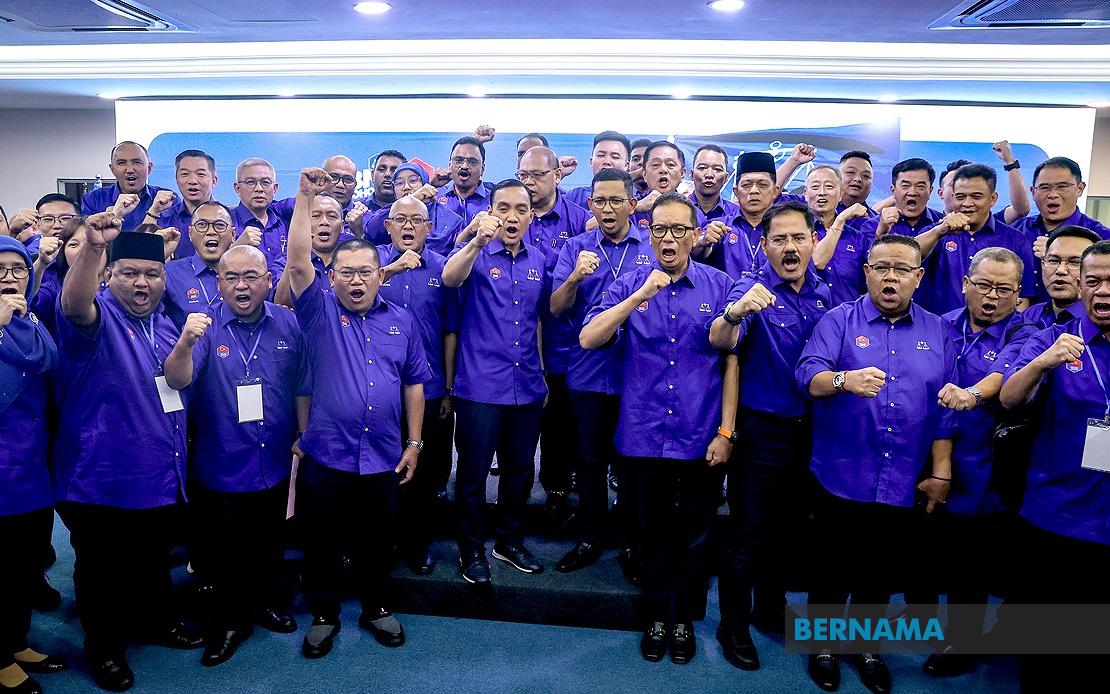
Johor Barisan Nasional has unveiled its comprehensive candidate roster for the 16th state election, deploying a mix of experienced legislators and newcomers to contest all 56 assembly seats in what promises to be a significant political contest for the southern state. The coalition's selection, announced by Johor BN chairman Datuk Onn Hafiz Ghazi, represents a carefully calibrated strategy balancing continuity with strategic repositioning across the party structure. The breakdown reflects the traditional power-sharing arrangement within the BN framework, with UMNO fielding 37 candidates, MCA 15 and MIC four, a composition that underscores the continued dominance of the Malay-Muslim dominated party within the coalition's Johor operations.
The decision to field former health minister Datuk Seri Dr Adham Baba in Pasir Raja marks a significant political comeback for the veteran UMNO politician, who previously held the seat for two consecutive terms between 2008 and 2018. Adham's return to electoral combat at state level carries particular weight given his recent tenure in federal politics, where he served as Member of Parliament for Tenggara across two separate periods spanning 2004 to 2008 and again from 2018 to 2022. His reinstatement as a state candidate, combined with his position as Tenggara UMNO division chief, signals the coalition's confidence in deploying established figures in politically significant constituencies. The move reflects a broader pattern within the candidate selection where proven electoral performers have been retained for critical battlegrounds.
Menteri Besar Onn Hafiz Ghazi will defend his Machap state assembly seat, a position he secured during the 2022 state election that elevated him to the chief ministerial post. His continued candidacy in the same constituency underlines the expectation that the BN administration will retain control of the state government, though the competitive dynamics within Johor's electoral landscape remain fluid and subject to broader peninsular political currents. The decision to renominate him without apparent challenge from within the coalition speaks to his consolidation of power within Johor UMNO's hierarchy and his standing with federal party leadership led by BN chairman Datuk Seri Dr Ahmad Zahid Hamidi, whose approval and mandate were cited as essential to the entire candidate selection process.
A notable casualty in the candidate announcement is former Menteri Besar Datuk Seri Hasni Mohammad, who represented Benut and was the incumbent assemblyman but has been dropped from the BN slate. The decision to replace him with UMNO working secretary Datuk Mohd Sumali Reduan introduces generational change while simultaneously raising questions about Hasni's standing within party circles following his tenure leading the state administration. This substitution represents the type of succession planning that typically occurs when coalition leaders seek to refresh their electoral messaging and inject younger energy into key constituencies, though it also reflects the vulnerabilities that incumbency can create for even senior political figures.
The broader candidate selection demonstrates significant continuity in retaining experienced legislators, with nine of the ten former Johor executive councillors who contested the 2022 state election securing renomination for the forthcoming poll. This exceptionally high retention rate of former exco members indicates that the outgoing administration largely performed to the satisfaction of party selectors and maintains sufficient political capital to justify another term. The sole exception is Khairin-Nisa Ismail @ Md On, the former State Women, Family and Community Development Committee chairman, whose non-renomination in the Serom seat suggests either personal circumstances or a deliberate strategy to introduce new representation in that particular district.
Onn Hafiz's remarks at the candidate announcement ceremony framed the nomination process as conferring responsibilities rather than distributing rewards or privileges, a rhetorical approach designed to emphasize accountability and integrity among candidates. His call for courteous, respectful and prudent campaign conduct aligned with stated Johor values reflects an attempt to establish conduct standards as the election campaign intensifies. Such messaging, while frequently articulated by coalition leadership, carries particular resonance in Johor given the state's traditionally competitive political environment where campaign temperature can escalate during election periods. The emphasis on maintaining standards of civility suggests party strategists anticipate a contested election where disciplined execution will be strategically advantageous.
The candidate selection carries significant implications for Malaysian electoral dynamics beyond Johor's borders. State elections in major states often serve as indicators of broader political sentiment and can influence federal political calculations, particularly when leading coalition members seek to demonstrate continued voter support for existing power structures. A strong BN performance in Johor would reinforce the coalition's claim to continued relevance in peninsular politics and validate the leadership of Zahid Hamidi at the national level. Conversely, any substantial erosion of BN's traditional dominance in the state would signal shifting voter preferences and potentially complicate internal coalition dynamics ahead of eventual federal elections.
The reintroduction of established figures like Adham Baba alongside the retention of the current Menteri Besar suggests BN's campaign strategy will emphasize experience, stability and administrative continuity rather than radical departures from existing policy directions. This positioning appeals to voter segments prioritizing orderly governance and minimal disruption, though it may struggle to resonate with constituencies demanding more transformative change or addressing emerging socioeconomic pressures. The coalition's resource advantages and institutional access remain formidable, yet Johor's electoral history demonstrates that majorities cannot be taken for granted and competitive pressures from opposition forces continue to intensify.
Regionally, the Johor state election outcome will be monitored closely by political observers across Southeast Asia, where Malaysia's electoral processes and coalition dynamics are frequently studied as models of competitive authoritarianism and managed pluralism. The manner in which BN executes its campaign strategy and how Johor voters respond will contribute to broader analyses of democratic vitality in the region and the capacity of established political coalitions to adapt to evolving voter expectations. The 56-seat contest thus assumes significance beyond state boundaries, reflecting the interconnectedness of Malaysian politics with regional political economy and the ongoing evolution of Southeast Asian political systems.

