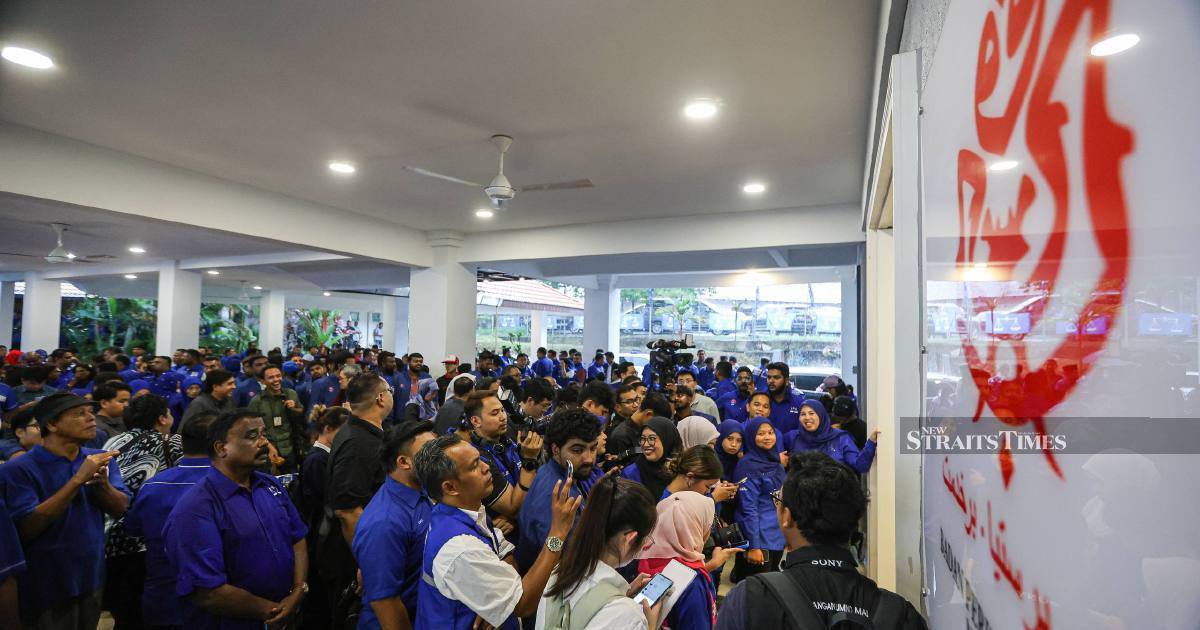
The political tempo in Johor has risen markedly as Barisan Nasional prepares to formally present its slate of contenders for the forthcoming 16th state election. The coalition's headquarters in Johor Baru has become the focal point of this activity, drawing party officials, grassroots members, and political activists who have assembled to witness the candidate announcements that represent the culmination of weeks of internal negotiations and vetting.
For Barisan Nasional, the Johor electoral contest carries substantial weight within the broader Malaysian political landscape. The state remains one of the coalition's strongholds, and maintaining its performance there is critical to the party's national standing. The gathering atmosphere at Umno headquarters reflects recognition among party faithful that the coming election will test their organisational capacity and electoral appeal at a moment when Malaysian politics remains volatile and competitive.
The candidate announcement process itself functions as an important political moment beyond the mere presentation of names. It demonstrates the coalition's readiness for campaigning, showcases internal party unity—or sometimes reveals underlying tensions—and sets the tone for how vigorously the party will contest each constituency. For observers and analysts, these gatherings offer early signals about strategic priorities, generational shifts within party leadership, and how effectively the coalition has balanced demands from competing factions within its membership.
Johor's electoral significance stems from multiple factors. The state has traditionally served as a crucial revenue generator and demographic centre for Barisan Nasional, with its 56 state assembly constituencies representing a substantial portion of the party's parliamentary and state-level power base. A strong performance here bolsters the coalition's ability to form governments at both state and federal levels, making candidate selection in Johor particularly consequential for party strategists.
The convergence of supporters and officials at the announcement venue underscores the grassroots mobilisation that underpins Malaysian electoral campaigns. These gatherings serve as morale-boosting exercises, allowing ordinary party members to feel invested in the campaign and creating social media moments that amplify campaign messaging. For candidates themselves, the formal announcement provides a platform to introduce themselves to the party machinery and the broader public, establishing name recognition and political narrative before campaigning officially commences.
Several dynamics will shape how successfully Barisan Nasional deploys its chosen candidates across Johor's constituencies. The coalition must balance experience and continuity with injecting fresh faces capable of appealing to younger voters and addressing contemporary concerns around cost of living, employment, and infrastructure development. The choice between retaining long-serving incumbents and introducing newcomers reflects calculations about which constituencies are competitive, which are secure, and where the party faces genuine challenges from opposition parties.
The timing of these announcements also matters strategically. By formally unveiling candidates, Barisan Nasional signals that it is treating the Johor election with urgency and dedicating resources to campaign preparation. This creates momentum within the party and potentially puts opposition parties on notice that the coalition intends to contest comprehensively rather than conceding any constituencies. Conversely, a staggered or delayed announcement process might suggest internal disagreements or logistical difficulties that could undermine campaign effectiveness.
Regional political analysts will scrutinise which candidates have been selected and which have been passed over, as these decisions often reflect power dynamics within Umno and its coalition partners. The inclusion or exclusion of particular individuals can signal shifts in leadership priorities, generational renewal efforts, or attempts to consolidate support among specific demographic groups or geographic regions within Johor.
For Malaysian voters and observers more broadly, the Johor election serves as a barometer for the broader political mood in the country. State elections often function as mid-term assessments of government performance and voter sentiment, influencing how political parties refine strategies for subsequent national contests. The candidate selections that Barisan Nasional unveils will therefore merit careful attention from political commentators seeking to understand where the coalition believes it can consolidate support and where it perceives vulnerability.
The gathering at Johor Umno headquarters exemplifies how Malaysian electoral politics remains intensely personalised and hierarchical, with candidate selection carrying significance far beyond individual constituencies. Each selected candidate becomes a representative of broader party interests and ideological positions, tasked with translating party messaging into votes within their specific areas while contributing to the overall electoral narrative that Barisan Nasional is constructing for the 16th state election.

