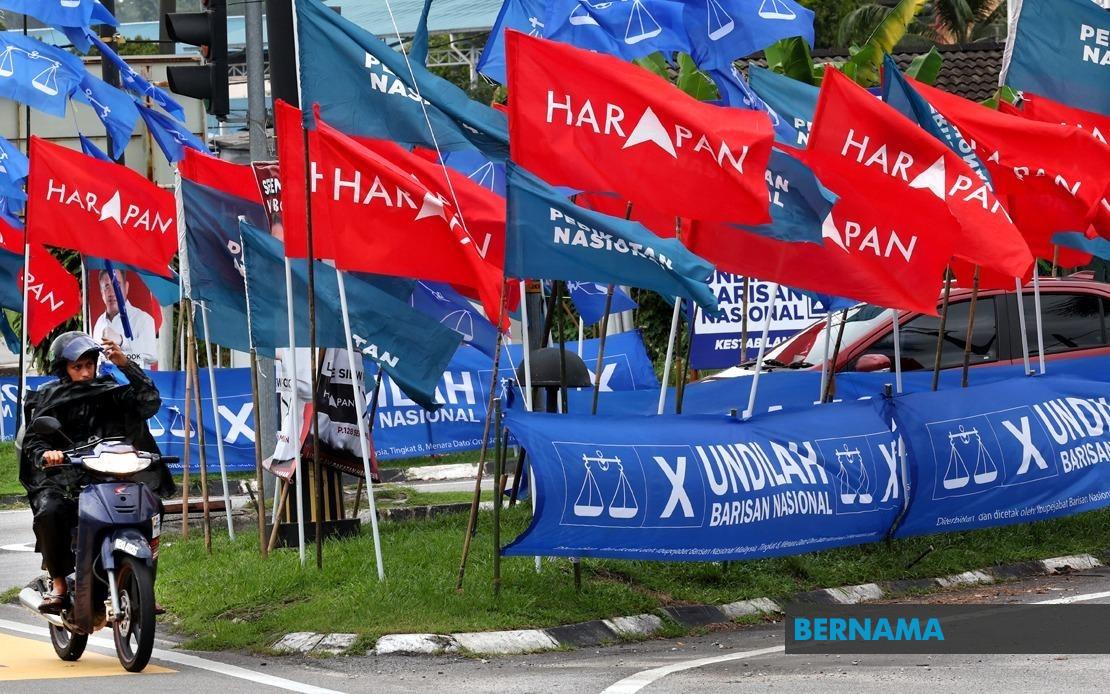
The race for power in Johor is reaching a critical juncture as campaigning winds down with barely two days left before polling stations open on Saturday. The 16th state election has seen candidates from competing coalitions engage in an unrelenting push to persuade voters, with the intensity showing no signs of diminishing despite nearly two weeks of round-the-clock activity across the state's 56 constituencies.
Pakatan Harapan has strategically positioned Prime Minister Datuk Seri Anwar Ibrahim at the frontline of its final drive, with the coalition chairman scheduled to rally supporters at three key locations during the campaign's closing hours. His appearance in the hotly contested Puteri Wangsa seat underscores the government's determination to consolidate support in strategically important areas. The choice of venues reflects PH's assessment of where momentum can be built or losses prevented in what analysts expect to be a closely contested election.
Candidate messaging has shifted notably towards emotional appeals and urgency in these final days. The PH representative for Puteri Wangsa, Maszlee Malik, employed social media to mobilise attendance at the coalition's "Grand Finale Harapan Johor Selatan" rally, tapping into contemporary psychology by invoking the concept of fear of missing out to drive participation. Such tactics reveal how modern political campaigns operate across digital and grassroots platforms simultaneously to maximise reach and engagement among diverse voter demographics.
Personal dedication has become a hallmark of candidate behaviour as the campaign enters its final phase. Dr A. Ruban, the PH aspirant for Paloh, curtailed medical treatment to return to the campaign trail, illustrating the physical and mental demands placed on those seeking elected office. His rapid redeployment to doorstep and community engagements demonstrates the calculating assessment that losing ground during any campaign period could prove decisive in a tight contest.
Party machinery across all major coalitions has been mobilised to unprecedented levels. Johor PKR chairperson Datuk Seri Dr Zaliha Mustafa participated in a motorised convoy involving 120 motorcyclists through Felda Redong, exemplifying how traditional grassroots mobilisation techniques remain potent tools for candidate support. Such large-scale coordinated efforts generate visible momentum that translates into psychological and practical voter engagement benefits.
Barisan Nasional has deployed its top leadership to shore up candidate morale and demonstrate party strength in the face of competition. Coalition chairman Datuk Seri Dr Ahmad Zahid Hamidi's final-stage visits to Endau and Kempas constituencies served dual purposes: directly campaigning in marginal areas while visibly supporting local candidates who require confidence-building in the closing stages. Johor Menteri Besar Datuk Onn Hafiz Ghazi maintained his own campaign momentum while leveraging his executive position to amplify BN's development narrative ahead of the vote.
Perikatan Nasional has pursued its campaign strategy through mass mobilisation events designed to create spectacle and demonstrate grassroots support. The coalition's mega rally in Endau, featuring both its chairman Datuk Seri Ir Dr Ahmad Samsuri Mokhtar and PAS president Tan Sri Abdul Hadi Awang, concentrated firepower in contested constituencies where winning or improving performance could shift the overall election outcome. Such concentrated rallies serve to energise party workers and generate media coverage that extends the campaign message beyond those physically present.
Smaller parties have maintained their campaign presence through innovative grassroots approaches. Parti Bersama Malaysia's "Bersama Tour Truck" initiative and candidate Norsinah Abu's community dialogue strategy in Larkin demonstrate how candidates with fewer resources pursue alternative engagement methods. These approaches, while labour-intensive, often generate more intimate voter connections than large rallies, potentially converting individual conversations into committed voters.
The competitive landscape encompasses 172 candidates vying for positions across 56 state seats, a substantial field that ensures genuine competition even in constituencies where particular coalitions historically dominate. This candidate density means that fence-sitting voters face genuine choices in most areas, making final-stage campaigning potentially consequential for electoral outcomes. The concentration of campaign activity in closing days reflects political calculations about when voter attention peaks and persuasion becomes most effective.
The final 48-hour sprint exemplifies how modern Malaysian political campaigns operate at maximum intensity right until the official cutoff moment. Candidates understand that voters often make final voting decisions during this window, making every event, social media post, and personal interaction a potential vote-changer. The deployment of national figures, carefully chosen constituency focus points, and multimedia messaging strategies all converge to create comprehensive final-stage pressure designed to extract maximum electoral benefit.
For Malaysian observers, the Johor campaign provides insights into contemporary electoral dynamics within the peninsula's largest state. The apparent health of electoral competition, demonstrated through active engagement by multiple coalitions and independent parties, suggests voters will face genuine choices when they head to polling stations. However, the campaign intensity also raises questions about voter fatigue and the extent to which sustained messaging actually influences outcomes versus confirming pre-existing preferences. The Saturday results will provide crucial data about whether final-stage campaign efforts meaningfully shift electoral mathematics or merely mobilise already-committed supporters.

