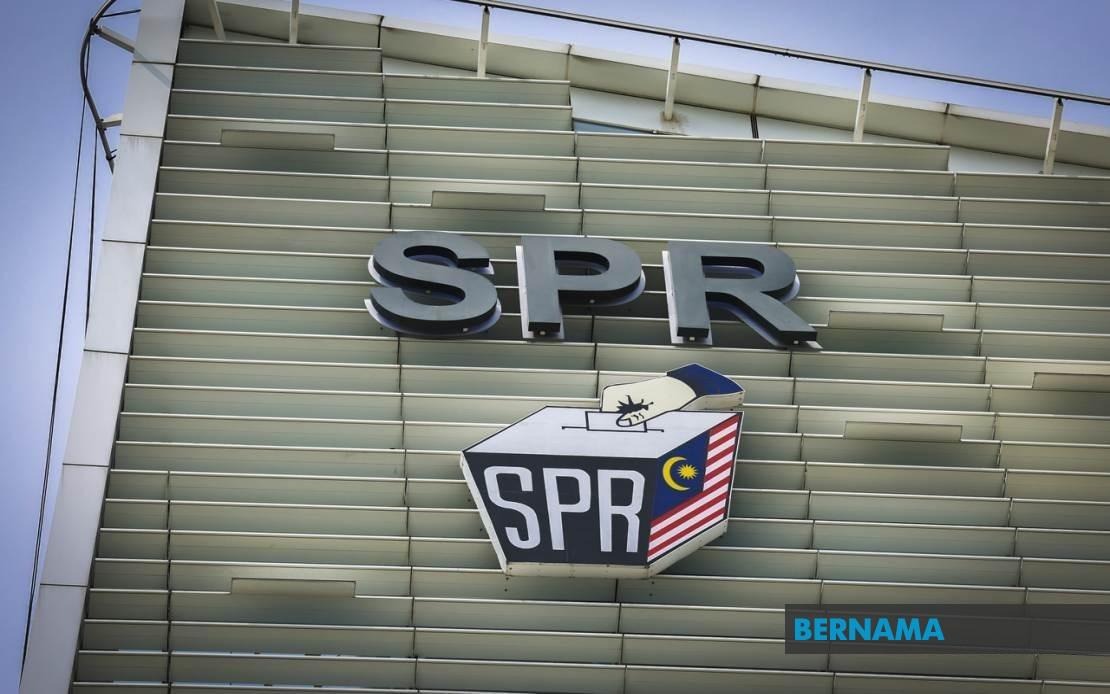
The Election Commission recorded over 300 breaches of campaign regulations during the first phase of the 16th Johor State Election, signalling an enforcement drive to maintain order across Malaysia's second-largest state. As of July 2, authorities had documented 305 complaints and reports spanning various infractions of the electoral rulebook, with violations involving improper advertisement placement dominating the tally.
The most prevalent category involved campaign materials positioned in restricted zones demarcated by local municipal bodies, generating 140 separate complaints. This figure underscores persistent challenges in ensuring candidates and parties respect geographic boundaries established to maintain urban aesthetics and public space management. Local councils have traditionally designated certain areas—typically shopping centres, residential zones, and civic infrastructure—as off-limits for political promotion, yet violations in these localities continue to plague enforcement efforts during campaign seasons.
The second-largest infringement category centred on materials that obstruct driver sightlines and impede traffic flow, with 90 documented cases. Such breaches carry heightened safety implications, as oversized banners, flags, and posters mounted near major thoroughfares can distract motorists or obscure critical signage, potentially triggering accidents. The persistence of these violations suggests that despite repeated warnings, some campaign teams prioritise visibility over vehicular safety and regulatory compliance.
A third problematic area involved illegal placement of materials within 50 metres of polling stations, a designated buffer zone mandated by electoral law to preserve the sanctity of voting centres and prevent voter intimidation or undue influence. Twenty-seven complaints fell under this category, indicating that even with clear delineation of these sensitive zones, some contestants push boundaries in pursuit of voter engagement near the actual voting sites.
The remaining 48 complaints encompassed diverse offences not captured by the three main categories, likely including violations of campaign financing rules, premature campaigning before the official nomination period, and irregular use of broadcasting platforms. This catch-all grouping reflects the breadth of electoral legislation that candidates and parties must navigate during the campaign window.
To manage this enforcement landscape, the Election Commission mobilised 56 dedicated Campaign Enforcement Teams—designated as PP-KPR units—tasked with interpreting and enforcing the 70-year-old Election Offences Act 1954. These teams operated throughout the formal campaign phase, which commenced on June 27 following the nomination period and extends until July 10 at 11:59 pm, providing comprehensive monitoring of electoral conduct across the state.
The enforcement effort reflects the Commission's coordinated approach with other government agencies. The Royal Malaysia Police, Malaysian Anti-Corruption Commission, and Malaysian Communications and Multimedia Commission all collaborated to maintain order and integrity throughout the campaign process. This inter-agency framework acknowledges that modern election violations span physical campaign infrastructure, financial impropriety, and digital communications, requiring diverse specialist capabilities.
The Johor contest itself involved substantial electoral competition, with 172 candidates contesting 56 state assembly seats, translating to an average of just over three candidates per seat. This competitive density amplified the challenge of monitoring compliance, as more campaign teams meant proportionally greater opportunity for regulatory missteps. Early voting was scheduled for July 7, with the general poll on July 11, compressing the enforcement window and intensifying scrutiny in the final campaign days.
The Election Commission's public disclosure of breach statistics served a dual purpose: demonstrating to voters and observers that regulatory mechanisms functioned actively, whilst issuing implicit warnings to remaining candidates about the consequences of continued non-compliance. By itemising violation categories, the Commission clarified which infractions triggered enforcement action, potentially inducing self-correction among campaign organisers still operating.
For Malaysian electoral governance, the Johor campaign offered a case study in the tension between political expression and regulatory order. Campaign materials are ostensibly protected speech central to democratic competition, yet their physical manifestation in public space creates genuine externalities—traffic hazards, visual pollution, and voter manipulation risks—that justify restrictions. The 305 complaints suggest this balance remains contentious in practice, with numerous participants either misunderstanding regulations or deliberately testing enforcement capacity.
The reliance on formal complaint mechanisms also merits consideration. The 305 figures represent breaches that someone identified and reported to authorities; unreported violations likely exceeded this number substantially. This gap between recorded and actual infringements means that enforcement statistics measure not only regulatory violations but also the diligence of monitors—police, council officials, rival parties, and vigilant citizens—in detecting and reporting misconduct.
Looking forward, the Johor election outcome will influence electoral governance across Malaysia's other states and federal territories. If the Commission's enforcement proves effective in this high-profile contest, the model may become standard practice elsewhere, potentially raising compliance costs for campaign operations. Conversely, if violations persist despite documented enforcement, future elections may see escalating breaches as participants grow confident that penalties remain nominal relative to campaign benefits.

