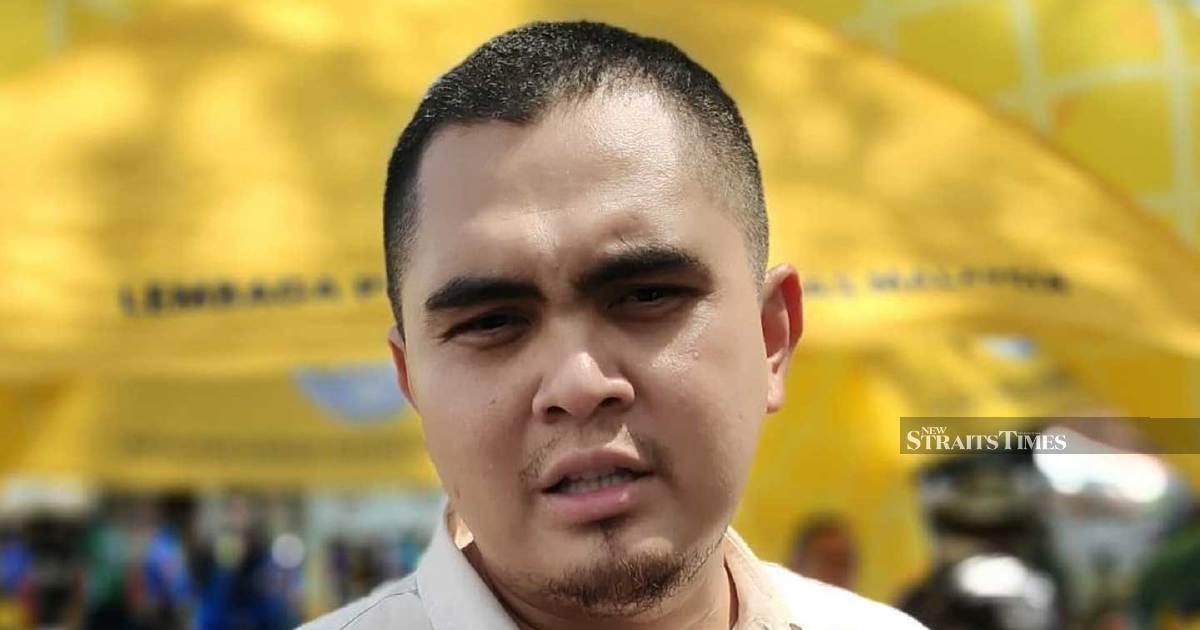
The prospect of coordinated voting in Johor's coming election could realign Malaysia's fragmented opposition bloc, with Umno Youth signalling openness to Perikatan Nasional's latest outreach effort. The willingness of both camps to explore tactical voter coordination represents a significant shift from recent acrimony between the two major Malay-Muslim parties and suggests that shared electoral interests may be bridging their ideological and organisational divides.
Pas has advanced a practical blueprint for opposition cooperation without requiring formal merger or contested seat-sharing negotiations. By urging Perikatan Nasional voters to back Barisan Nasional candidates in constituencies where the coalition has declined to contest, Pas creates a mechanism for simultaneous gains across constituencies. This approach sidesteps the contentious issue of who wins which seat—a perennial flashpoint in coalition negotiations—and instead focuses voter energy on preventing Pakatan Harapan dominance in strategic localities.
For Umno Youth, the receptiveness to Pas's suggestion carries both tactical and strategic weight. The party has spent months rebuilding credibility after its 2023 general election underperformance, and demonstrating coalition flexibility could appeal to grassroots members frustrated by opposition fragmentation. The youth wing's endorsement signals that senior Umno leadership may be prepared to revisit attitudes toward Pas, whose Islamist platform previously triggered resistance within Umno's more secular faction. Such movement indicates shifting calculations about electoral viability in an increasingly fractious political landscape.
Johor carries outsized symbolic importance for both camps. As the country's second-largest state by population and a traditional Umno stronghold, electoral performance there reverberates across the peninsula's political corridors. A successful Barisan-Perikatan coordination effort would validate opposition hopes of consolidating voter share and challenge Pakatan's presumed dominance. Conversely, failure would reinforce perceptions that Malaysia's opposition remains too divided to constitute a credible alternative government.
The mechanics of such coordination expose real implementation challenges. Strategic voting requires extraordinary message discipline and voter education, particularly among rural and semi-urban constituencies where allegiances shift based on local issues rather than national positioning. Umno and Pas supporters often occupy identical demographic space and compete fiercely for identical votes; asking them to vote tactically demands setting aside tribal party loyalties. Previous such arrangements in Malaysian electoral history have foundered when local candidates or party machinery failed to execute agreed strategies consistently.
Context matters here. The 2023 general election delivered results that unsettled both Umno and Pas, neither achieving the dominance their respective party structures anticipated. Pakatan's performance stabilised Malaysia's political centre while simultaneously creating an opposition coalition that lacks coherent identity or unified messaging. For voters outside the Pakatan orbit, this has created frustration—a resource that Umno-Pas coordination can potentially harvest if executed with messaging precision.
The proposal also reflects pragmatic recognition of Johor's specific electoral arithmetic. Certain constituencies may indeed pit Barisan and Perikatan candidates directly against Pakatan in ways that demand opposition concentration rather than internal competition. Where Barisan possesses stronger ground machinery or candidate credibility, Pas supporters voting Barisan could prove decisive. Where Perikatan holds advantages, reciprocal support would follow. This quid pro quo avoids the zero-sum game mentality that has sabotaged past coalition attempts.
Regional implications extend beyond Johor's borders. If coordinated voting gains traction there, it could establish a model for opposition unity in Terengganu, Kedah, and other states where Perikatan holds influence. Such coordination would fundamentally alter Malaysia's political competitive structure by creating a genuine three-way contest between Barisan, Pakatan, and Perikatan rather than the current fragmented landscape. This would benefit Barisan and Perikatan while potentially constraining Pakatan's expansion into traditionally opposition-held areas.
However, significant obstacles remain. Umno's internal divisions, particularly between Zahid Hamidi's faction and former prime minister Mahathir's circle, complicate strategic decision-making. Pas's ideological positioning and Islamic governance agenda continue to generate unease among secular-inclined Umno voters and non-Malay components of Barisan. Building trust sufficient for coordinated action requires political capital that may be exhausted through acrimonious negotiations over seat selections and campaign messaging.
The timing of Pas's proposal suggests calculation about upcoming electoral windows. Johor's state election represents an early testing ground where lower stakes might permit coordination experimentation before any federal election call. Success would embolden both parties to pursue similar arrangements nationally; failure would reinforce compartmentalisation and territorial competition.
What distinguishes this moment from previous coordination attempts is explicit acknowledgment of non-contested seats as coordination territory. Rather than demanding comprehensive seat-sharing agreements that entangle hundreds of constituencies, Pas has identified specific, limited scenarios where cooperation creates mutual benefit. This narrower focus may prove more negotiable and implementable than grand coalition architecture that repeatedly collapsed under complexity and mistrust.
The coming months will reveal whether Akmal's embrace of Pas's proposal reflects genuine party consensus or merely aspirational positioning. Implementation will require discipline from local party structures, sophisticated voter communication, and sustained focus amid competing pressures. For Malaysian democracy, the experiment carries significance beyond Johor: it tests whether opposition fragmentation can be functionally overcome through tactical cooperation, even where deeper unity remains elusive.

