The Johor State Election Dialogue will move forward on schedule this Tuesday evening, July 7, even as Menteri Besar Datuk Onn Hafiz Ghazi's attendance remains uncertain due to prior engagements. The broadcasters and media partners organising the event—RTM, Astro AWANI and Sinar Harian—confirmed the forum will proceed at the RTM Auditorium within the Johor Broadcasting Department starting at 8 pm, as part of the run-up to the state assembly polls.
An official statement from the Johor Information Department indicates that roughly 200 participants are expected at the dialogue, drawn from various government ministries, statutory bodies, and grassroots MADANI Communities throughout the state. This scale of attendance underscores the importance state authorities are placing on facilitating direct engagement between voters and political leaders during the election campaign period. The gathering represents a coordinated effort to ensure transparency and public awareness ahead of polling day.
Communications Minister Datuk Fahmi Fadzil is confirmed to participate in the dialogue, lending ministerial-level representation to what is billed as a balanced platform for discussion. Alongside him will be Dr Maszlee Malik, the Pakatan Harapan nominee contesting the Puteri Wangsa state seat. Together, these figures are expected to outline their respective visions, policy platforms, and proposed solutions to matters of concern among Johor voters, with the session structured to offer equal time and opportunity for both to articulate their positions.
When contacted by reporters, an aide to the Menteri Besar clarified that Onn Hafiz would not be listed in the final programme schedule for the event. The brief confirmation offered no additional detail regarding the reason for the omission or whether alternative arrangements might be considered. This absence stands in contrast to the significance typically attached to a Menteri Besar's presence in such high-profile state election forums, particularly during the final week of campaigning.
The dialogue format is specifically designed as a one-hour session aimed at creating an equitable space for contending political voices to address the electorate directly. The framework reflects broadcaster standards for election coverage, ensuring that participating candidates receive equivalent airtime and questioning. For Johor residents keen to assess the competing platforms on offer, the event provides a rare opportunity to hear from senior figures across different political coalitions in a structured setting.
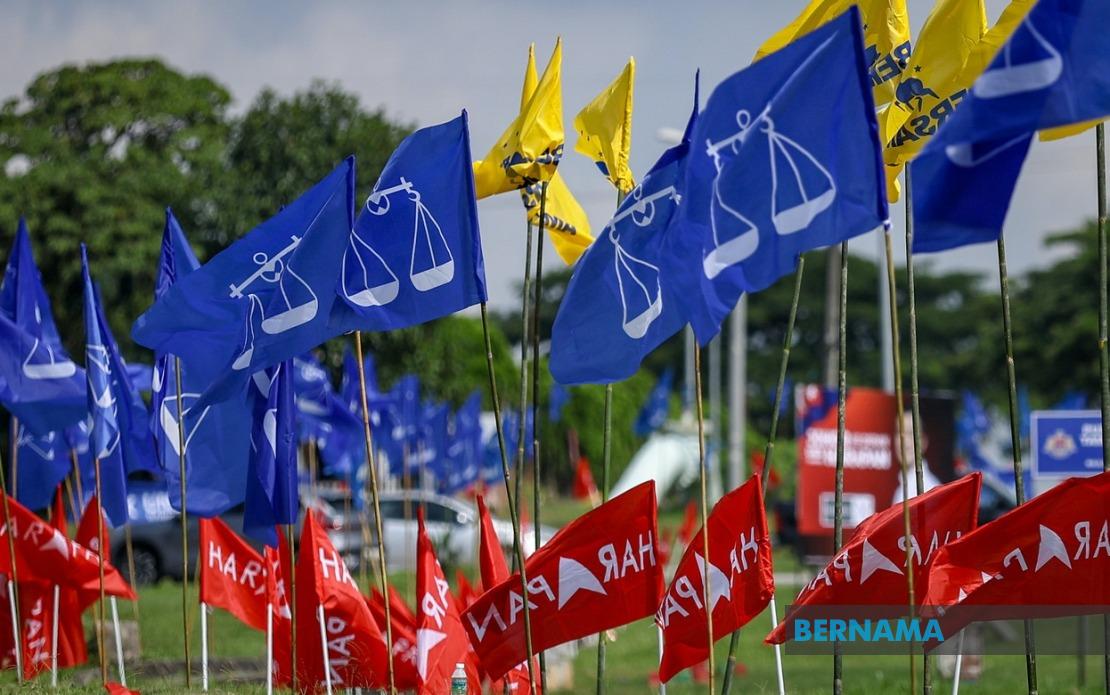
The 16th Johor State Election carries considerable weight within Malaysia's political landscape, with 172 candidates competing for 56 assembly seats across the state. Polling is scheduled for July 11, though early voting has been made available on July 7—the same day as the dialogue. This compressed election calendar means campaigns have intensified significantly in recent weeks, with multiple forums and public appearances condensing the usual campaign period.
The decision to maintain the dialogue despite the Menteri Besar's non-participation suggests that organisers consider the event valuable regardless of which political figures ultimately take part. Media outlets and community groups appear committed to delivering the forum as a service to voters seeking information. The presence of a Communications Minister, however, may be perceived as lending credibility and high-level political engagement to the proceedings, even if the incumbent Menteri Besar cannot attend.
For opposition parties like Pakatan Harapan, the dialogue represents a platform to articulate alternative governance models and policy priorities directly to Johor voters. Dr Maszlee Malik's participation offers the coalition an avenue to present a counter-narrative to the ruling Barisan Nasional administration and make a case for change at the state level. Such forums have become standard features of Malaysian election campaigns, reflecting an expectation among voters for direct exposure to candidates and their messaging.
The timing of the event, occurring on the same day as early voting, is unlikely to be coincidental. Broadcasters and organisers may have strategically scheduled the dialogue to maximise viewership among voters actively engaged in the electoral process. Residents casting ballots early will have just participated in the democratic exercise, potentially making them more attentive to election-related programming that evening.
For analysts monitoring Johor's political dynamics, the dialogue will offer insights into how different camps are framing their campaigns in the final stretch. The specific policy areas raised, the tone of exchanges, and the audience reception provide indicators of which issues resonate most strongly with voters in the state. Johor's electoral outcome carries implications for federal politics as well, given its status as the country's second-largest state by population and its historical significance within UMNO's power base.
The absence of the sitting Menteri Besar, while officially attributed to scheduling conflicts, may invite speculation about the strategic calculus behind the decision. Whether such a choice reflects confidence in other party representatives to defend the government's record, or conversely, a desire to avoid direct confrontation with opposition candidates, remains a matter for political observers to assess. Regardless, the dialogue appears set to proceed as a substantive engagement tool for Johor's electorate during a pivotal moment in the state's political calendar.

