The 16th Johor State Election has delivered more than just a civic exercise for the state's 2.6 million registered voters—it has become an unexpected revenue windfall for small business operators navigating the economic challenges of post-pandemic recovery. While political outcomes remain uncertain, the immediate economic impact on the ground tells a story of opportunity seized by entrepreneurial Malaysians in the maritime and food services sectors, who have managed to convert election logistics into meaningful business gains during a critical period for the nation's informal economy.
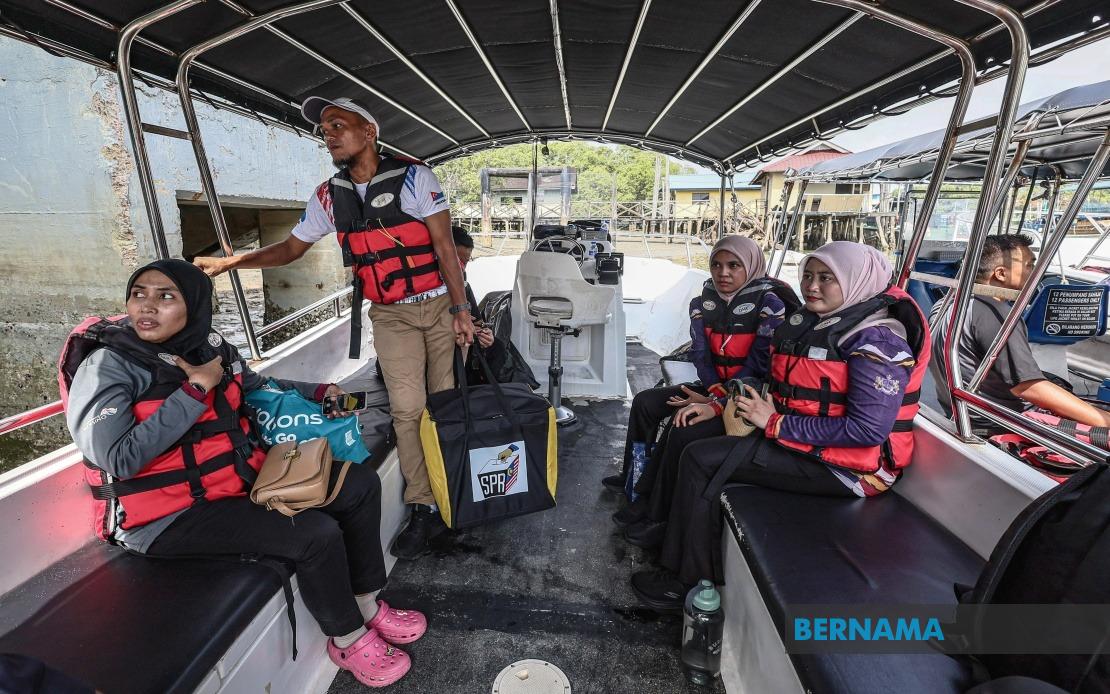
Boat operators servicing Johor's outlying islands have experienced the most dramatic surge in demand. Mustakim Shafie, the 35-year-old proprietor of Island Eagle Boat Services & Island Hopping, has watched his company's charter bookings double on polling day alone. Beyond the routine transportation of Election Commission personnel and election materials, his fleet of six speedboats has fielded nearly fifty separate voter charters, many organised by community groups ensuring their members could reach distant polling stations. His standard rates—ranging from RM4,000 to RM4,500 for comprehensive three-day, two-night island packages, or approximately RM2,500 per one-way journey accommodating up to eighteen passengers—translate into substantial one-day revenues that would normally require weeks of ordinary tourist and commercial activity to accumulate.
For maritime entrepreneurs like Hasrul Azmin Jumaat, a seasoned operator with more than two decades of navigational experience, election day represents not merely a commercial opportunity but a test of professional expertise. The waters around Johor demand respect, particularly on longer routes such as the more than two-hour, 76-kilometre passage to Pulau Aur. Hasrul's decades of experience navigating these channels under varying conditions—from calm seas to treacherous squalls—have earned him the trust of passengers and contractors alike. Yet even experienced operators acknowledge that unpredictable weather patterns and shifting sea conditions remain the primary operational hazard, capable of disrupting both passenger safety and the democratic exercise itself when island residents cannot reach polling centres.
The election cycle has similarly energised the food service sector at ground level. Ismail Mad Hasim and his wife Faradila Fairuz Mohd Affandi, operating a food stall adjacent to Sekolah Kebangsaan Taman Sutera, discovered that poll day crowds generated exceptional demand. Their operation commenced early morning service from 8 am, capturing a customer base of early voters and those between casting ballots and returning home. The couple's previous experience managing a similar stall during the last General Election provided them with operational knowledge, yet the 16th Johor election appears to have outperformed their historical benchmarks. By selling out their inventory—itself a logistical achievement requiring careful demand forecasting—they validated the thesis that localised food service at polling centres meets genuine consumer demand.
What distinguishes this economic moment for small business operators is its intersection with broader patterns of informal sector resilience in Malaysia. After years of pandemic-related disruptions, lockdowns, and the subsequent struggle to rebuild customer bases, the sudden concentration of foot traffic and transactional activity on a single day provides psychological and financial momentum. These operators are not passive recipients of government stimulus or corporate charity; rather, they are active market participants providing genuine services that voters require. The boat operators solve a logistical problem essential to democratic participation, whilst food vendors respond to the practical needs of voters spending extended hours in polling locations.
The economic sociology of this development reveals something more profound about Malaysian entrepreneurship. These business owners demonstrate flexibility and opportunism—their willingness to adjust operations, pricing, and staffing to capture concentrated demand periods. Ismail and Faradila, despite conducting brisk business, maintain their commitment to voting themselves at the same polling centre, illustrating that commercial interest does not extinguish civic responsibility. Similarly, maritime operators prioritise passenger safety and reliable service delivery, understanding that reputation and trust constitute their long-term competitive assets.
For Malaysian policymakers observing these dynamics, the election day economic surge among informal sector operators offers an instructive case study. It demonstrates that small business growth does not require massive government programmes or subsidies, but rather removal of operational obstacles and creation of transactional opportunities. The food stall operators and boat charter companies did not receive special grants or tax exemptions; they simply responded to demand that the electoral calendar created. This model suggests that periodic major events—whether political elections, religious observances, festival seasons, or sporting competitions—can serve as revenue anchors for informal sector businesses struggling with seasonal income volatility.
The scale of polling activity across Johor, involving multiple polling stations and scattered island communities, necessarily dispersed economic benefits across numerous small operators. Unlike major metropolitan events that concentrate spending in large venues and established hospitality providers, election days distribute economic stimulus widely through grassroots service providers. Boat operators, food vendors, transportation providers, and accommodation services all participated in the same economic moment, creating a multiplier effect as workers and small business operators themselves became consumers, spending their election day earnings at other local establishments.
Yet this economic windfall remains episodic rather than systematic. Malaysia's small business sector cannot rely on periodic elections to sustain growth and employment; rather, the challenge involves identifying sustainable mechanisms to replicate the operational advantages these business owners demonstrated during the election period. Successful operators like Mustakim and Ismail understood their markets, maintained quality standards, managed logistics efficiently, and responded promptly to demand signals. These capabilities, when applied across the calendar year rather than concentrated on single high-demand days, could generate more consistent prosperity.
As polling continued until 6 pm on election day, small business operators recognised that their window of exceptional opportunity would close precisely as votes were counted. The political outcome remained uncertain, but the economic outcome for these entrepreneurs was concrete and measurable—doubled bookings, sold-out inventory, and cash flow that provided both immediate relief and strategic leverage for future investment. For Malaysia's informal sector, the 16th Johor State Election demonstrated that significant economic opportunity emerges when citizen participation creates concentrated demand for authentic, locally-provided services.

