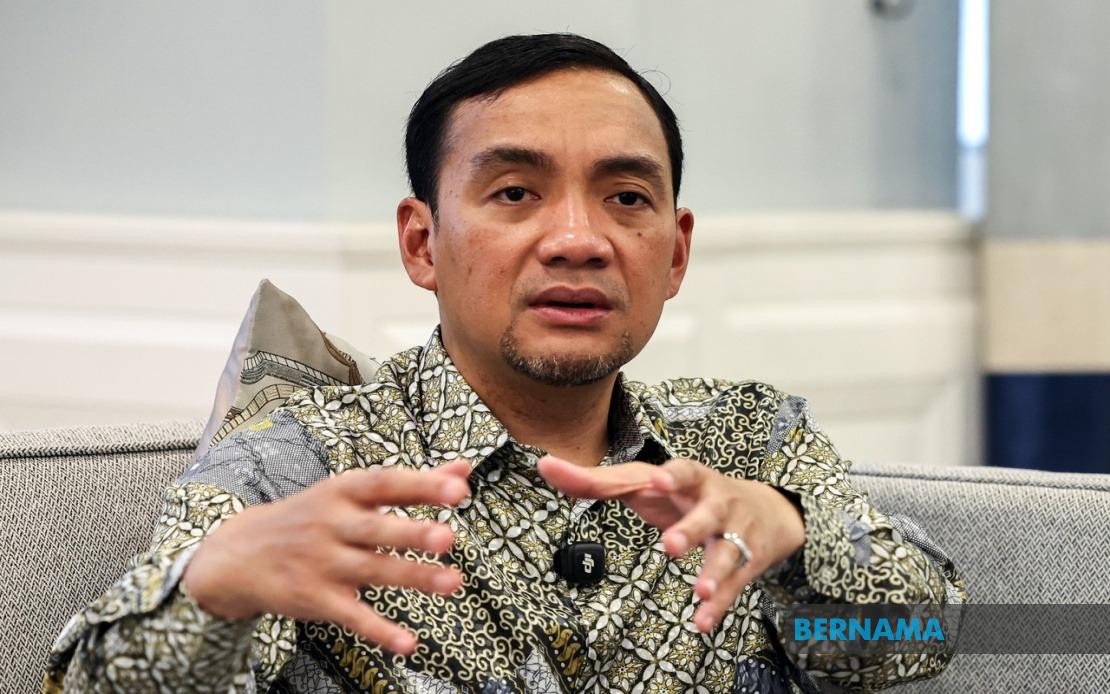
Johor's top administrator has initiated a wide-ranging inquiry into the operations of a controversial educational facility in Forest City after reports emerged that Israeli nationals may have participated in its programmes. Menteri Besar Datuk Onn Hafiz Ghazi announced the directive following public alarm over allegations that foreign participants, particularly Israelis, had gained entry to Malaysia through the use of alternative passports from third countries. The development underscores growing scrutiny of international activities within Johor's rapidly developing zones and reflects official concern about potential circumvention of Malaysia's immigration protocols and foreign policy positions.
The investigation orders target multiple layers of government oversight, demonstrating the seriousness with which the state administration is treating the matter. The Home Ministry has been asked to lead the inquiry, examining the identities and nationalities of those who participated in the Network School's activities, scrutinising their travel documentation, and determining whether individuals utilised secondary passports to mask their true origins. This multi-agency approach reflects Malaysia's established protocols for addressing sensitive matters touching on national security and immigration integrity. The scale of the probe indicates that authorities view the situation as potentially extending beyond simple administrative irregularities.
Menteri Besar Onn Hafiz has been emphatic that Johor will not serve as a platform for activities or ideologies that undermine the state's interests or the nation's sovereign standing. His statement explicitly warned that no organisation or individual would be permitted to exploit Johor's territory as a launching point for initiatives contrary to Malaysian law or detrimental to the country's broader strategic objectives. This framing places the issue squarely within the context of national security rather than treating it merely as a educational or commercial licensing concern, signalling that federal-level implications are being considered alongside state-level regulatory compliance.
Beyond immigration and security agencies, the inquiry encompasses multiple government departments reflecting the complexity of the situation. The Higher Education Ministry has been tasked with establishing the Network School's actual operational status and whether it holds appropriate accreditation and registration under Malaysian educational law. The Digital Ministry's involvement suggests questions about the organisation's online activities and digital infrastructure. These institutional reviews aim to determine whether the Network School operated within legal parameters or whether it functioned as an unregistered educational entity, which would represent a fundamental breach of regulatory requirements.
Local administrative bodies have also received instructions to examine compliance across their specific domains. The Iskandar Puteri City Council, which oversees the Forest City development zone, has been directed to review whether the facility met premises licensing conditions and proper use classifications. The Johor Land and Mines Office must verify that the property's use aligned with registered land titles and conditions attached to the original development approvals. These departmental reviews recognise that organisations operating within Malaysian jurisdiction must satisfy multiple regulatory frameworks simultaneously, and any deviation can trigger enforcement action.
The investigation will specifically examine the entry procedures that facilitated foreign participants' arrival in Malaysia. Authorities will scrutinise the types of passes issued, whether visa categories matched declared purposes, and whether on-the-ground activities corresponded to reasons provided during immigration processing. This focus on documentation consistency is particularly significant given allegations that alternative passports were used, suggesting potential sophisticated circumvention of Malaysian entry controls. Such practices, if confirmed, would constitute serious immigration violations requiring prosecution-level responses.
The Menteri Besar has pledged decisive action should the investigation uncover legal breaches, misuse of immigration documentation, or security threats. This commitment carries weight given Johor's position as Malaysia's industrial and commercial heartland and Forest City's role as a major foreign investment hub. Authorities must balance stringent enforcement against the need to maintain Johor's international business reputation, creating complex policy tension. However, Onn Hafiz's unequivocal stance suggests that regulatory compliance and security concerns will take precedence over commercial considerations.
The controversy erupted following social media posts and video content circulated on platforms like Threads questioning the Network School's true purpose and participant composition. These digital-era disclosures, which increasingly shape public discourse and government responses, highlighted how international activities within Malaysia's special economic zones face unprecedented public scrutiny. The speed at which allegations become matters of state concern reflects both modern information dynamics and heightened sensitivities surrounding Israeli-related activities within the region.
For Malaysia and Southeast Asia, this incident illustrates the persistent challenge of managing foreign participation in domestic institutions while maintaining clear foreign policy positions and national security standards. The Malaysian government's long-standing non-recognition of Israel positions any Israeli participation in local activities as inherently sensitive, regardless of the nature of involvement. The Forest City situation has exposed potential gaps in monitoring mechanisms for international participants in educational and organisational settings, particularly when activities occur in special economic zones that benefit from liberalised regulations.
The investigation also reflects broader concerns across Southeast Asia about ensuring that foreign organisations do not exploit regional hubs to pursue activities inconsistent with host nations' strategic interests. Johor's pivotal role in Malaysia's economic development and its geographical proximity to Singapore create additional complications, as both security imperatives and commercial viability must be served simultaneously. The outcomes of this inquiry may establish precedents for how other Malaysian states and regional governments approach similar situations involving international participation in domestic programmes.
Beyond immediate regulatory compliance questions, the case raises important issues about transparency and accountability in special economic zones. Forest City, as a major foreign development project, operates with enhanced flexibility on multiple regulatory fronts, yet remains subject to Malaysia's fundamental legal and policy frameworks. The investigation will likely clarify boundaries between legitimate international business activity and activities that contravene national policy, potentially resulting in revised oversight mechanisms for comparable zones across Malaysia and the region.

