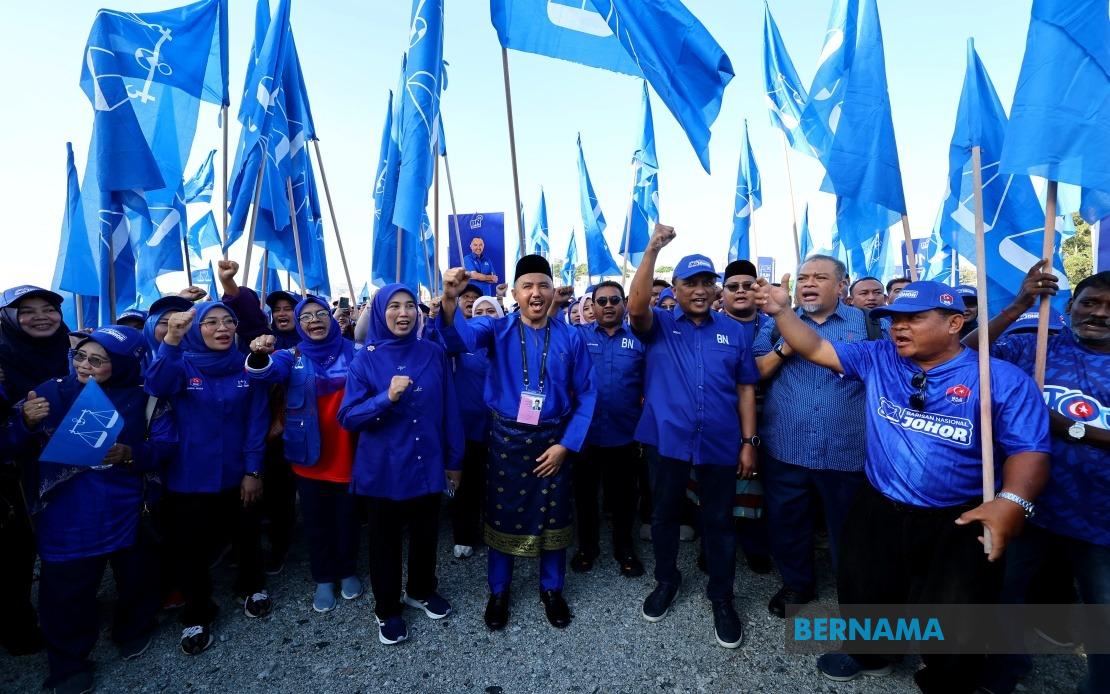
The nomination phase of Johor's 16th state election formally ended at 10am on June 27, with the simultaneous closure of all 56 nomination centres across the state. The one-hour submission window, which began at 9am, provided the final opportunity for candidates to lodge their nomination papers with returning officers at designated venues statewide. The smooth conclusion of this critical procedural stage now paves the way for the next phase of the electoral cycle, as attention shifts to verification of candidate eligibility and confirmation of how many contenders will face voters in each of the state's constituencies.
Election authorities have indicated that the official list of qualified candidates will be released following the closure of nomination centres, providing the first definitive picture of the race ahead. This announcement will reveal the final candidate count for each state seat and allow political observers to assess the competitiveness of individual contests. The clarity afforded by this disclosure will prove significant for voters and campaign strategists alike, as it demonstrates the full field of aspirants seeking to represent their constituents in the state assembly.
With nomination procedures concluded, the Election Commission has activated the 14-day campaign period, which commenced immediately and will extend until 11.59pm on July 10. This compressed timeframe gives political parties and independent candidates just two weeks to conduct their ground campaigns, deliver messaging to voters, and mobilise their support networks across Johor's diverse communities. The campaign period represents the most intensive phase of electoral activity, during which candidates will intensify their presence in constituencies, conduct public forums and gatherings, and seek to persuade undecided voters and consolidate backing from their respective party supporters.
The proceedings at nomination centres throughout the day unfolded in an atmosphere of relative tranquility, with party supporters accompanying their candidates to submission venues in displays of solidarity and organisational strength. These scenes, common during Malaysian electoral cycles, reflected the enthusiasm of grassroots party members for their candidates' candidacies. The orderly nature of the proceedings underscored both the professionalism of electoral administrators and the general compliance of political parties with established protocols governing nomination submissions.
Security arrangements remained prominent throughout the nomination process, with police units and volunteers from the People's Volunteer Corps maintaining a visible presence at all 56 centres. These precautions, while routine for major electoral events, reflected the commitment of authorities to prevent any breaches of election peace or incidents that might undermine public confidence in the integrity of the process. The absence of reported provocations or disturbances demonstrated that competing political interests conducted themselves within accepted norms, despite the competitive stakes involved in contesting control of the state legislature.
Johor's electoral register encompasses approximately 2.73 million eligible voters, a substantial electorate whose composition reveals the demographic diversity of Malaysia's southernmost state. The voter rolls include 2.7 million ordinary citizens entitled to cast ballots, supplemented by 12,041 military personnel and their spouses, and 12,710 police officers and their families. This voter population represents a significant cross-section of Johor society and will determine the outcome of races across the state's constituencies, making it a crucial battleground in Malaysian political competition.
The Election Commission has scheduled early voting for July 7, accommodating those unable to participate on the main polling day and providing an alternative mechanism for workers, the elderly, and other groups who may face logistical challenges on July 11. This staggered approach to voting has become standard practice in Malaysian elections, expanding accessibility and potentially improving overall turnout rates. The availability of early voting also reduces potential congestion at polling stations on the main election day, distributing the electoral load across multiple venues and timeframes.
The setting of July 11 as polling day marks the culmination of this electoral cycle's procedural framework. Voters will journey to polling stations across Johor to elect their representatives, with the results determining the composition of the state assembly and the formation of the state government. The outcome carries implications not merely for Johor's governance but also for national political dynamics, given the state's significance within Malaysian federalism and the broader balance of power among competing coalitions at the national level.
For Malaysian observers and international commentators tracking developments in Southeast Asian democracy, the Johor election represents a significant electoral exercise within one of the region's longest-functioning democracies. The orderly progression through nomination procedures, the substantial voter registration, and the professional management of logistical complexities all underscore the institutional maturity of Malaysia's electoral systems. These factors contribute to regional perceptions of Malaysia as a functioning democratic state, despite periodic controversies surrounding campaign conduct and accusations of bias in certain electoral administration matters.

