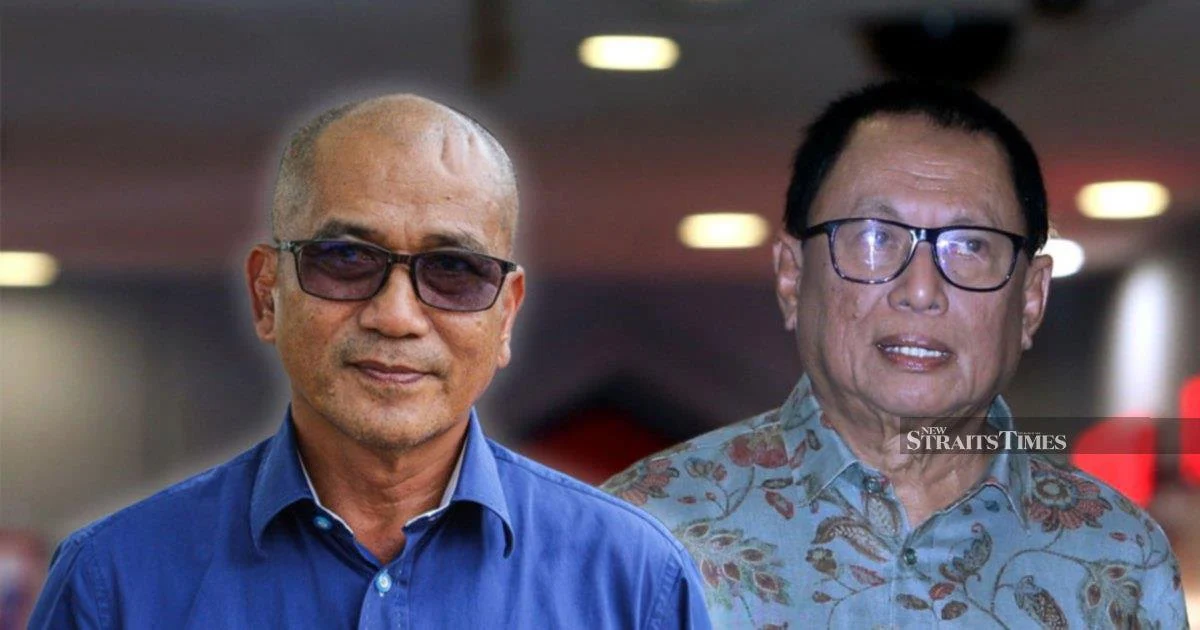
Johor's ruling Umno faction has moved swiftly to counter a series of allegations raised by Datuk Dr Mohd Puad Zarkashi, the state's former legislative assembly speaker, regarding circumstances surrounding the dissolution of the Johor state assembly declared on June 1. Senior party figures in the state have characterised the former speaker's assertions as constituting grave slander, marking an escalation in internal party tensions that have simmered since the assembly's earlier dismissal.
The confrontation highlights deepening rifts within Umno's Johor chapter, where questions about governance decisions and procedural legitimacy have emerged as focal points of dispute among senior figures. The dissolution of the assembly occurred during a period of political uncertainty within the state, with competing narratives now emerging from different factions regarding the circumstances and justifications surrounding the decision. Rather than engage substantively with specific allegations, state Umno leadership has opted for blanket rejection, signalling their intention to close discussion rather than invite detailed examination of the events.
Datuk Dr Mohd Puad Zarkashi's decision to go public with his claims represents a notable departure from typical party discipline, suggesting significant friction beneath Johor Umno's public facade. The former speaker's position previously granted him privileged access to constitutional and procedural proceedings within the assembly, lending potential credibility to any observations he might raise about the dissolution process. His willingness to articulate concerns publicly indicates that internal party channels may have failed to resolve differences, pushing disagreement into the public sphere where it becomes a matter of broader political consequence.
The timing of this dispute carries implications for Johor's broader political stability. The state has long served as Umno's traditional stronghold and financial engine, making internal fractures there potentially consequential for the party's national standing. When senior figures within such a crucial state division begin levelling public accusations against one another, it undermines the cohesion that has historically made Johor a party asset. This visible discord may embolden opposition parties to exploit apparent divisions within government ranks.
For Malaysian observers monitoring Umno's internal dynamics, this exchange illustrates the persistent challenge of managing competing interests and perspectives within a large, hierarchical political structure. The party has long grappled with tensions between different power bases and generational cohorts, with Johor serving as a microcosm of these broader organisational struggles. When such tensions spill into public view, they complicate efforts to project unified messaging and can undermine voter confidence in party governance.
The claims surrounding the assembly dissolution touch on fundamental constitutional and procedural questions that extend beyond mere internal party matters. How and why a state assembly is dissolved carries importance for democratic accountability and the legitimacy of government action. By categorising the former speaker's assertions as slander rather than engaging with their substantive content, state leadership risks appearing dismissive of legitimate oversight concerns. This approach may satisfy party loyalists but could deepen suspicion among observers sensitive to questions of constitutional propriety.
Datuk Dr Mohd Puad Zarkashi's former role as legislative assembly speaker positioned him with responsibility for upholding parliamentary procedures and constitutional norms. His emergence as a critic therefore carries particular weight, as it suggests someone with formal responsibility for governance has identified deficiencies he feels compelled to address publicly. The state Umno response—treating his comments as defamatory rather than substantive—implicitly acknowledges the potential seriousness of his position while refusing to engage with it directly.
This dispute arrives during a period when Malaysian politics more broadly faces questions about constitutional interpretation and the proper exercise of executive authority. Various states and at the federal level have witnessed disputes over dissolution timing, constitutional prerogatives, and procedural compliance. Within this broader context, how Johor Umno addresses questions about its own assembly dissolution becomes a test of the party's commitment to transparent governance and willingness to defend controversial decisions through reasoned explanation rather than dismissal.
The resolution of this controversy, if one emerges, may establish precedent for how Umno addresses internal dissent on constitutional matters. Should state leadership succeed in silencing the former speaker through legal or party mechanisms without substantive engagement, it may discourage similar public criticism from other quarters. Conversely, if discussions eventually occur at greater depth, it might create space for the party to articulate more comprehensive justifications for decisions that appear to have generated genuine concern among informed observers.
For Southeast Asian commentators tracking Malaysia's political evolution, this incident reinforces observations about tensions inherent in managing large political parties across diverse state contexts. The particular intensity of Johor disputes reflects that state's outsized importance within national Umno structures, making local squabbles carry ripple effects throughout the party. How Johor Umno navigates this confrontation with its former speaker will likely influence both internal party relations and broader perceptions of governance maturity within Malaysia's largest Bumiputera political organisation.

